Water Damage Restoration Tualatin, OR
The restoration team removes standing water, checks concealed moisture and dries affected materials to a documented goal. Tualatin homes and businesses receive 24/7 dispatch for leaks, flooding and sewage backups.
(888) 373-8814Start with the wet roomsSource control, extraction and drying form one practical sequence for the affected building.
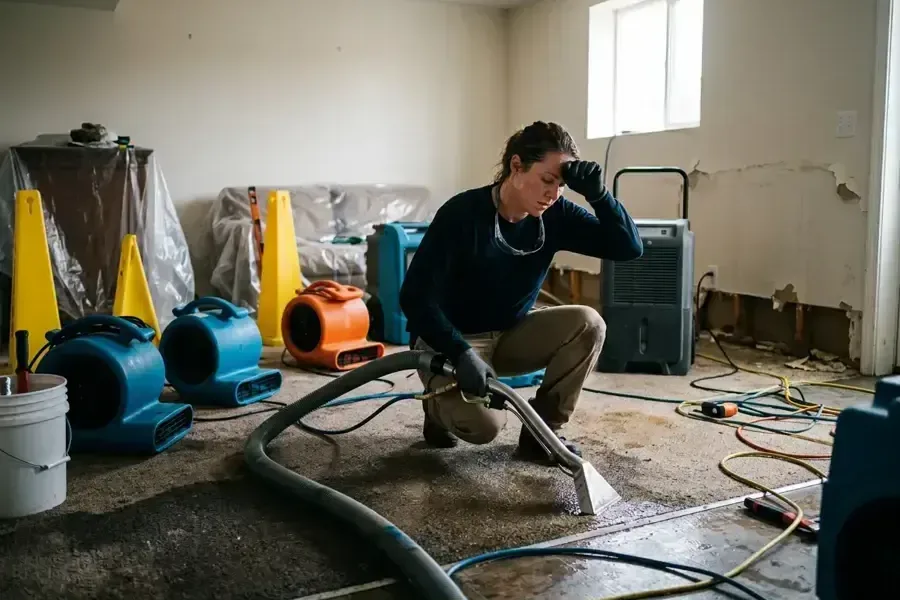
What to do while water is still spreading
- 1
Stay on dry ground
Keep people away from standing water near outlets, appliances or damaged wiring. Safe electrical isolation comes before equipment enters the room.
- 2
Stop a reachable source
Close an accessible supply valve only from a safe position. Do not cross water or disturb hot equipment to reach it.
- 3
Protect the dry route
Keep pets, footwear and wet contents out of unaffected rooms. Sewage or outdoor water needs a controlled cleanup boundary.
- 4
Record the first signs
Photograph visible water and damaged belongings from a safe doorway. Note when the leak appeared and whether it continues.
- 5
Describe the whole path
Report adjoining wet rooms, the floor below and any access restrictions. The response team uses those details to prepare the assessment.
Water Damage Restoration Services in Tualatin, OR
Each loss needs its own removal and drying plan. The service options below address the source, concealed materials and access conditions that change the work.
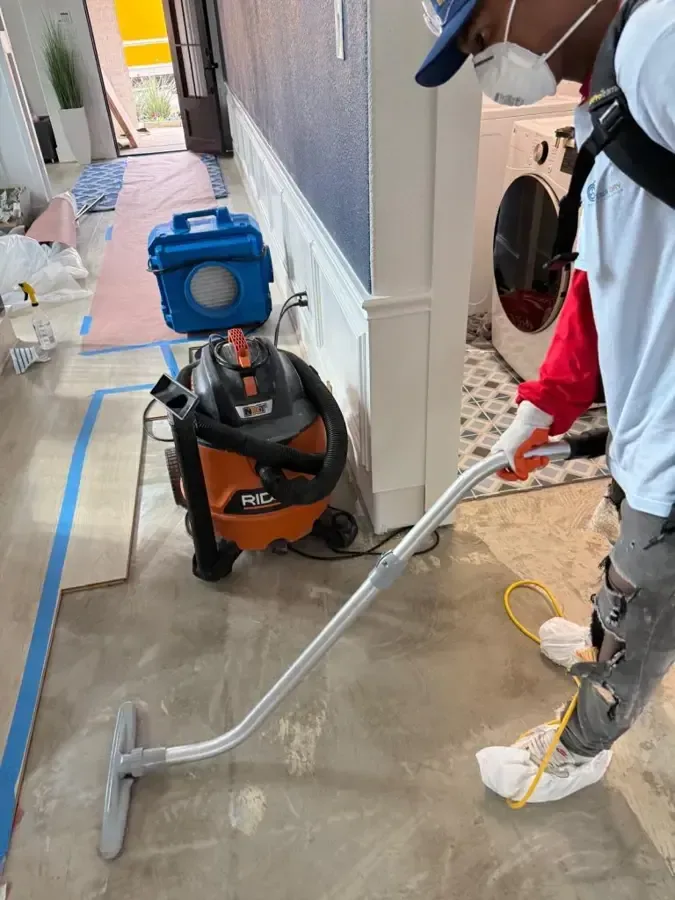
Water Extraction and Removal
Pumps and extraction tools clear pooled water while moisture checks follow the edges beneath flooring and trim.
Water Extraction and Removal details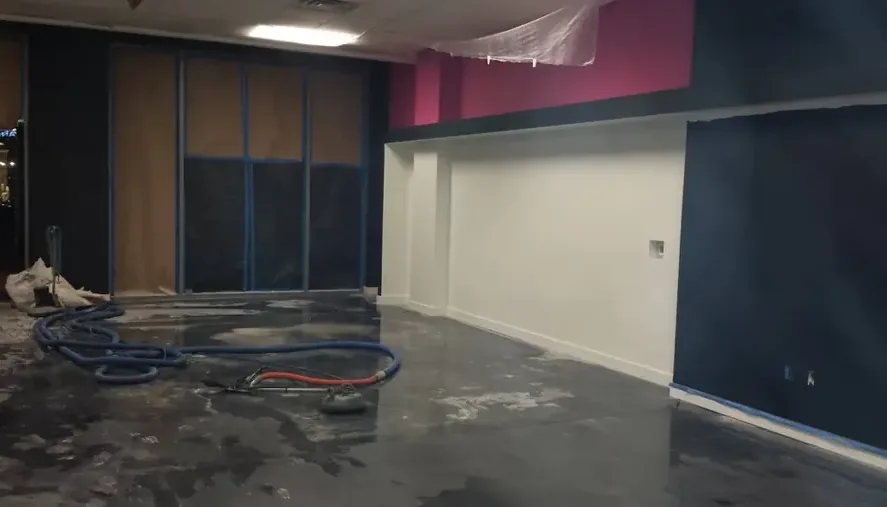
Basement Flooding Cleanup
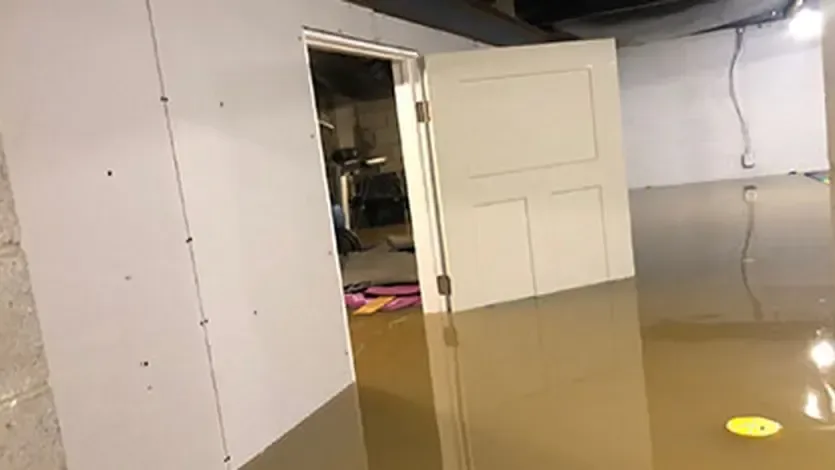
Lower rooms need safe entry, an assessed pumping plan and attention to wall finishes that hold water.
Basement Flooding Cleanup details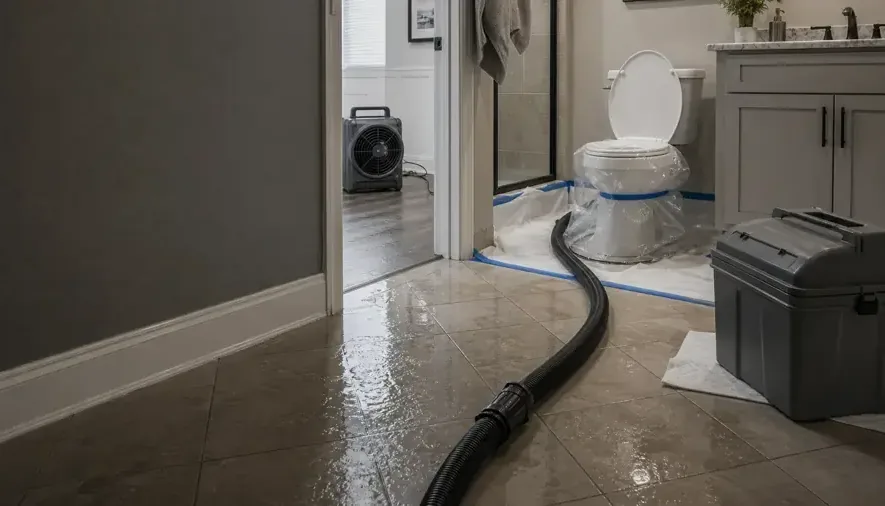
Sewer Backup Cleanup
Category 3 wastewater requires containment, removal of contaminated porous layers and cleaning before the drying stage.
Sewer Backup Cleanup details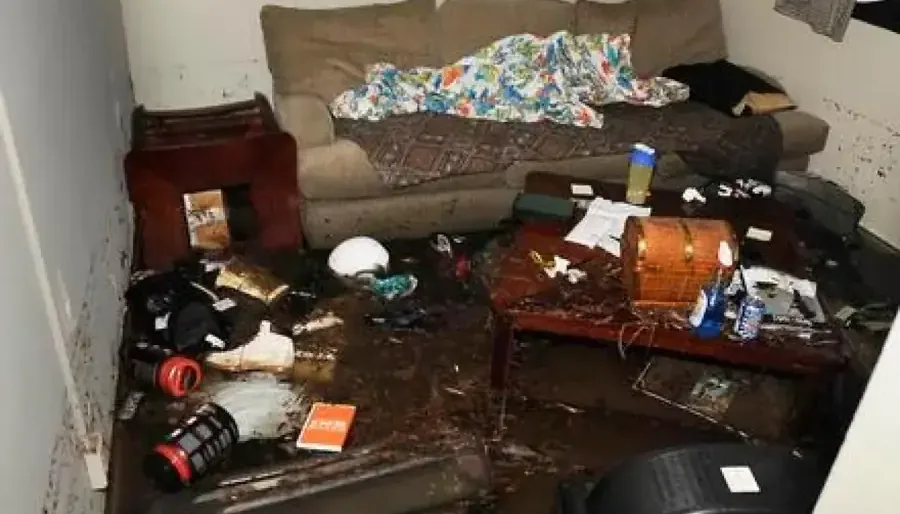
Storm Flood Cleanup
Outdoor water brings debris and contamination indoors; the crew traces entry and documents affected materials.
Storm Flood Cleanup details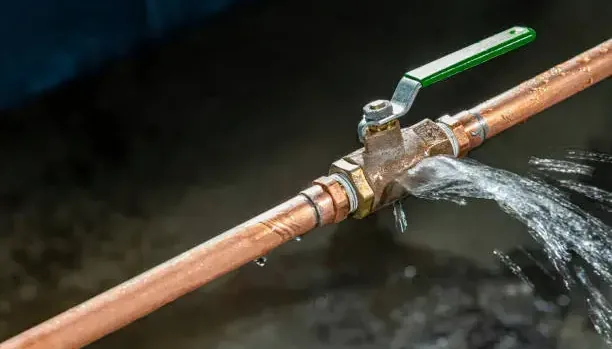
Burst Pipe Water Damage
A stopped supply break still leaves water inside walls and floor assemblies that need inspection and drying.
Burst Pipe Water Damage details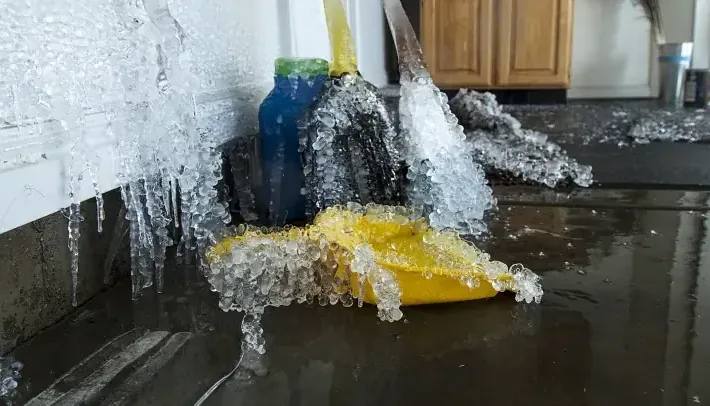
Frozen Pipe Cleanup
Thawing can reveal concealed pipe damage, with wet insulation and framing extending beyond the first drip.
Frozen Pipe Cleanup details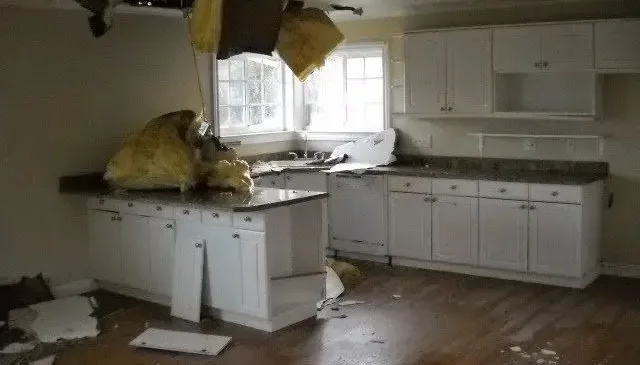
Ceiling Leak Water Damage
Overhead stains need source tracing, electrical precautions and safe access to the cavity above the finish.
Ceiling Leak Water Damage details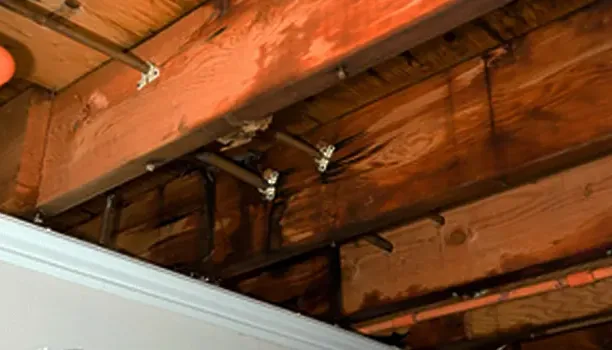
Roof Leak Water Damage
Rain entry can travel through attic insulation and framing before it appears at a ceiling or wall.
Roof Leak Water Damage details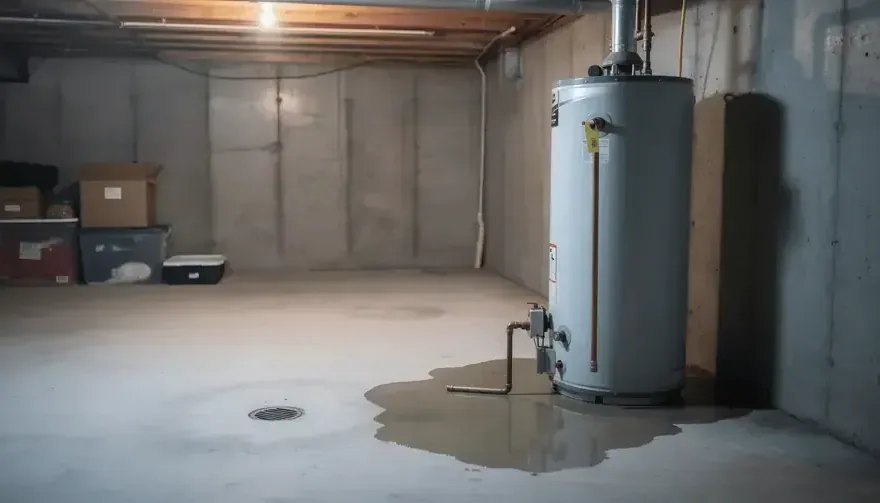
Water Heater Leak Cleanup
Water around a tank can reach adjacent flooring, requiring utility precautions and coordinated replacement access.
Water Heater Leak Cleanup details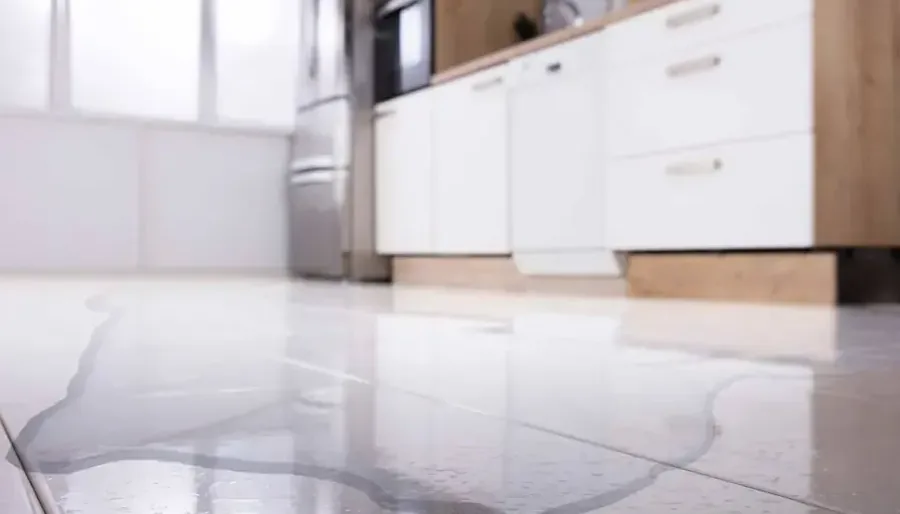
Appliance Leak Water Damage
Leaks beneath washers and dishwashers can remain trapped behind toe kicks or under layered floor finishes.
Appliance Leak Water Damage details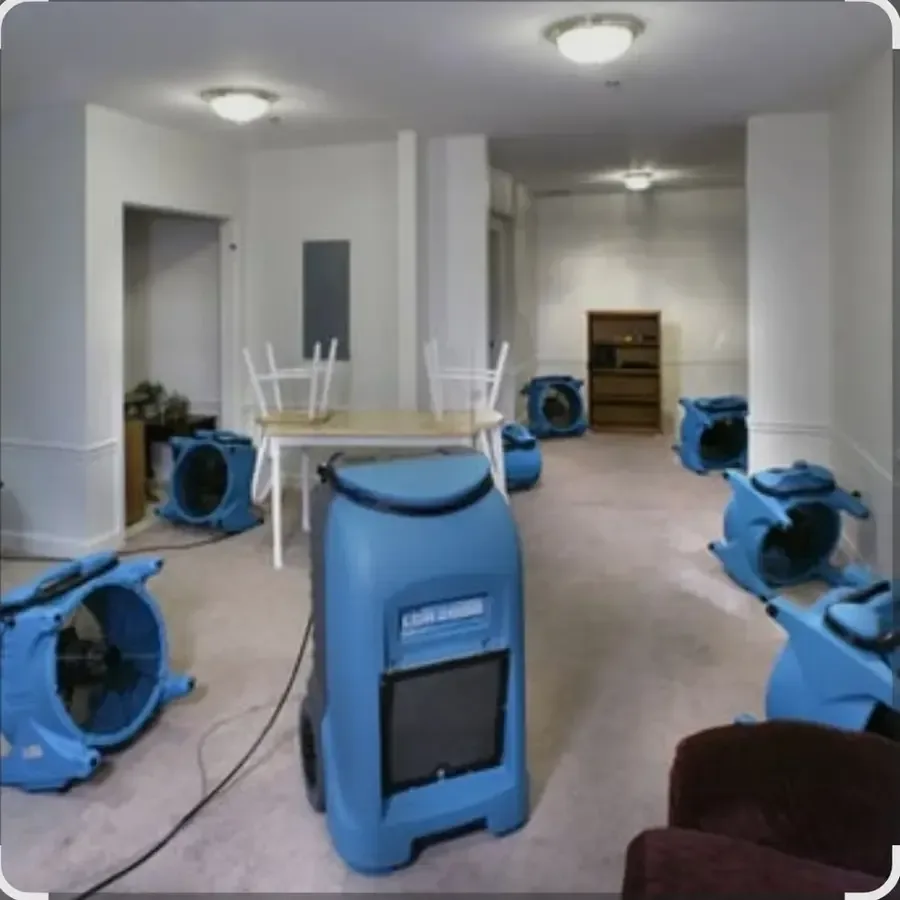
Structural Drying and Dehumidification
Controlled airflow and dehumidification follow repeat material readings until the retained assembly reaches its drying goal.
Structural Drying and Dehumidification details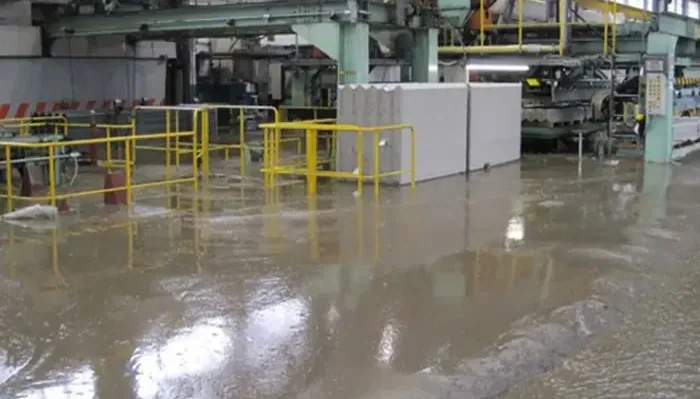
Commercial Water Damage
Business mitigation coordinates stock, safe routes, shared-building permissions and the drying status of affected work areas.
Commercial Water Damage detailsWater damage dried to the IICRC S500 standard
The drying team assesses the water category and affected materials before choosing equipment. Repeat readings show where the assembly improves and where access or humidity control needs adjustment. Completion follows the documented drying goal.
- 1
Assess
The technician checks the source, contamination and wet boundaries, then establishes a suitable dry reference for retained materials.
- 2
Remove
Extraction clears liquid water while damaged finishes and contaminated porous layers receive a documented removal decision.
- 3
Dry
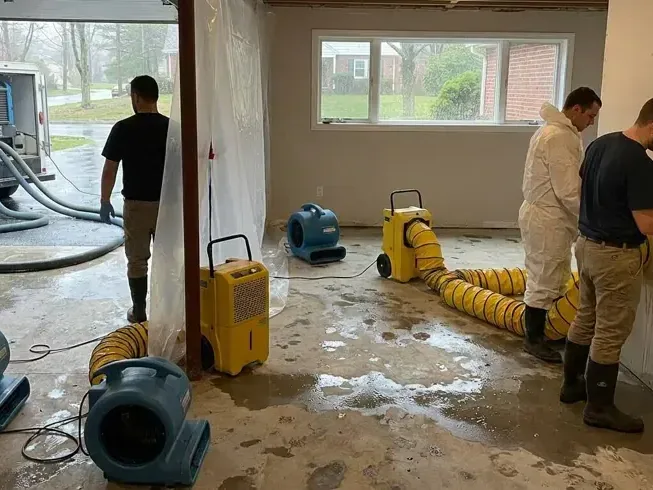
Air movers and dehumidifiers work together, with safe power and a clear route around cords, hoses and equipment.
- 4
Verify
Repeat material readings support the handoff to repairs and identify any area that still needs further drying or source investigation.
What does water damage restoration cost in Tualatin, OR?
Water damage mitigation often ranges from $1,000 to $8,000 or more, depending on the source and affected materials. Water category, square footage, concealed moisture and how quickly drying begins influence the total. Plumbing repairs, replacement finishes and contents work can add separate scope items.
Contained supply-water loss
- One accessible affected area
- Limited removal of finishes
- Extraction and drying checks
Several wet rooms
- More material transitions
- Selective access to cavities
- Larger drying setup
Contamination or complex spread
- Controlled cleanup routes
- Porous material removal
- Broader moisture monitoring
These are planning ranges. Use the water damage cost calculator to explore the variables, then discuss the observed loss with the restoration team.
All water damage categories covered in Tualatin, OR
Category 1: supply water
A fresh supply release starts with a different assessment from used water. Contact and time can change its condition.
Follow a supply breakCategory 2: used water
Appliance discharge can carry contaminants. The crew checks the source and materials before choosing removal or drying.
Inspect appliance waterCategory 3: contaminated water
Sewage and contaminated outdoor water require protective measures, controlled access and removal of affected porous finishes.
Contain a sewage loss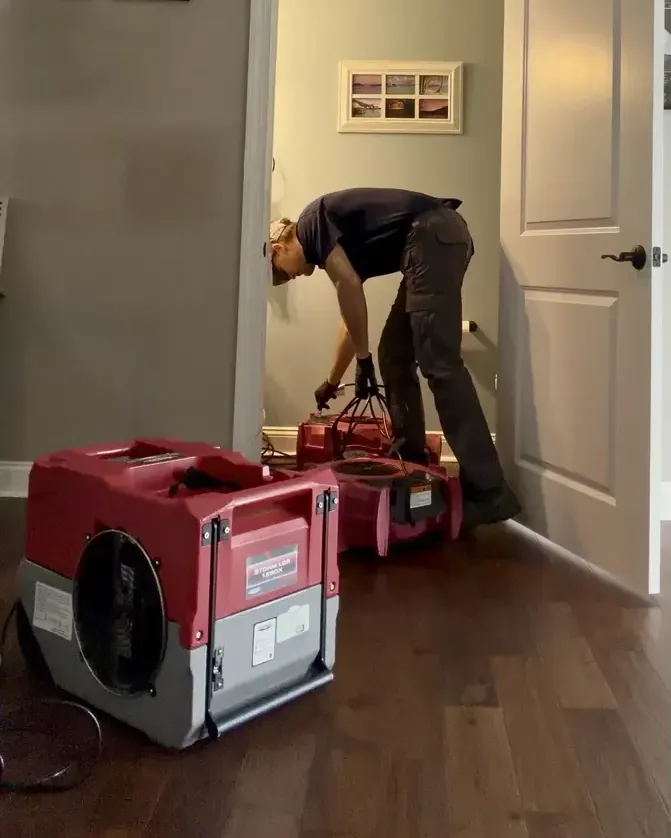
Dry the structure, then restore the finishes
The restoration team explains the wet boundary, the materials that can remain and the access needed to dry them. That record keeps extraction, cleaning and reconstruction connected without hiding moisture behind a new finish.
Rapid local response
24/7 dispatch treats active water as urgent and gathers the source, access and safety details needed for assessment.
IICRC S500 drying standard
Material condition, water category and appropriate dry comparisons shape the equipment plan and the final drying decision.
Claim-ready documentation
Photographs, moisture maps and equipment records explain what was affected and how the mitigation scope developed.
Local water experts
Separate stormwater and sanitary systems make source identification an important starting point for local cleanup decisions.
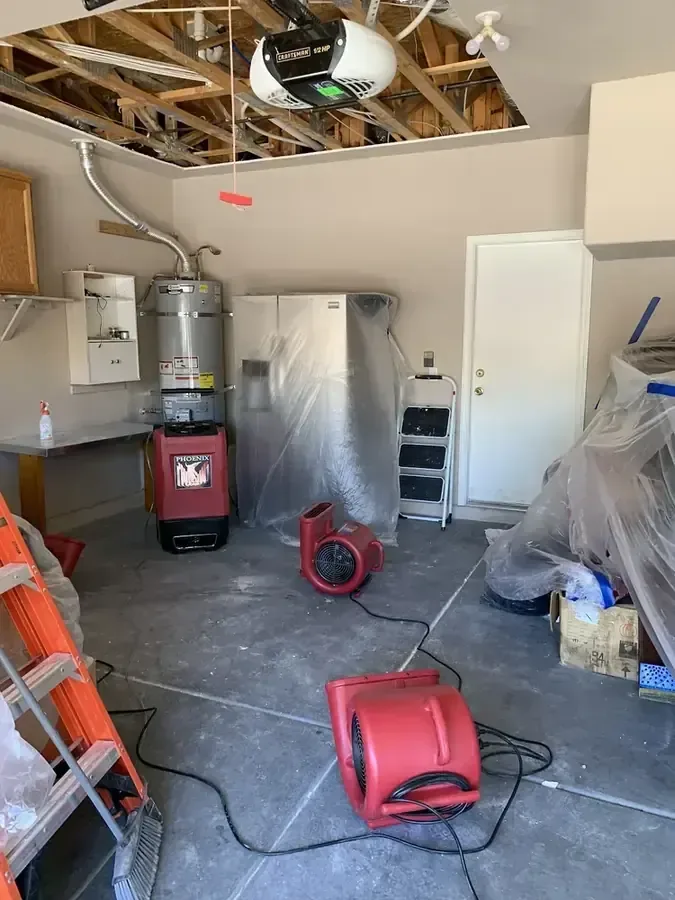
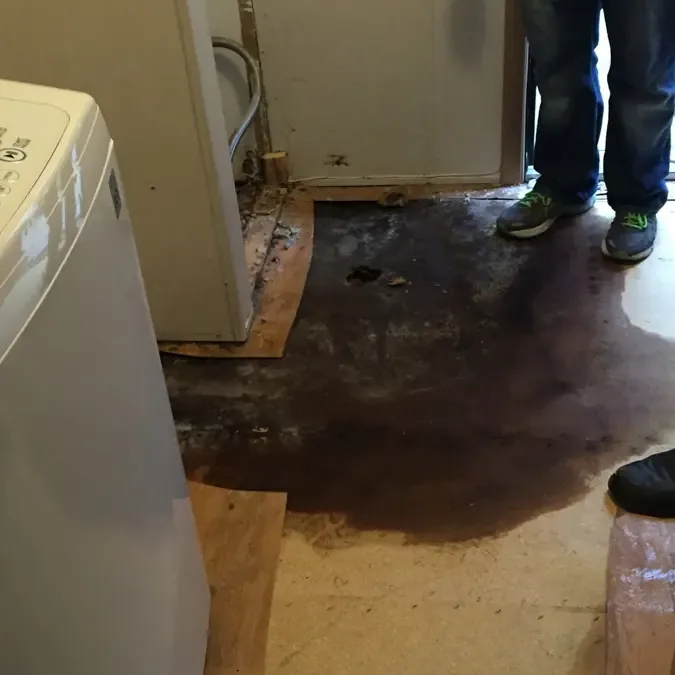
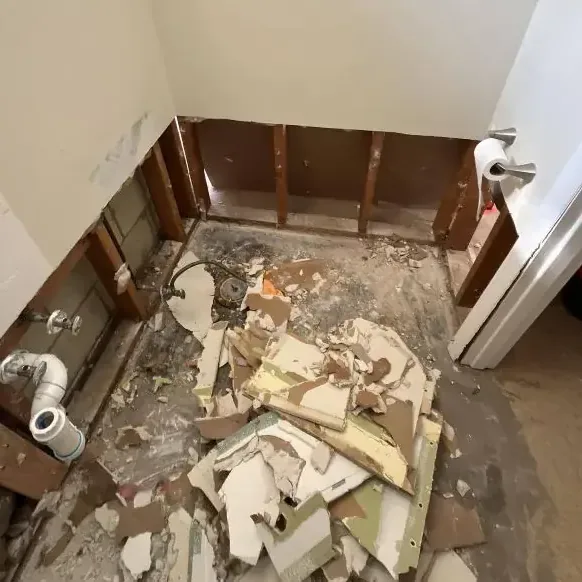
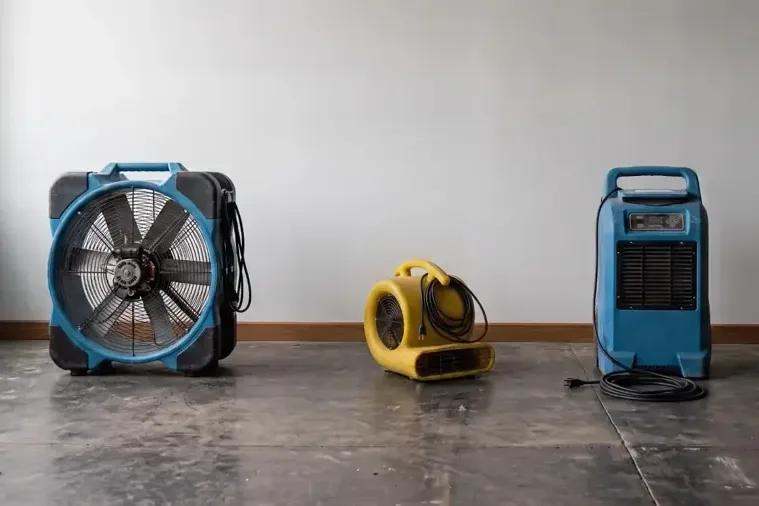
What a water damage dry-out looks like in Tualatin
Documentation for your insurance claim
The mitigation record explains the source reported, the affected materials and the work performed. Clear documentation helps the household discuss the loss with the insurer.
- Timestamped photographs before extraction or removal changes the room
- A moisture map showing affected assemblies and inspection points
- The water category and class used to plan the work
- Daily material readings and psychrometric notes during drying
- An itemized scope with equipment, removal and cleaning records
Check the policy details
A sudden supply loss, sewer backup and outdoor flooding can involve different coverage provisions. The insurer determines coverage, deductibles and exclusions under the actual policy.
Keep source-repair findings and receipts with the mitigation documents. Ask the insurer how it wants damaged contents recorded before disposal when safe conditions allow.
Water damage help across Tualatin and nearby cities
Areas and familiar landmarks
Residential ZIP coverage
Nearby communities
Plan before you call
Local water routes need a source-specific assessment
The river forms much of the northern city boundary, while homes and commercial areas have their own plumbing and drainage conditions. The restoration plan follows the observed entry route inside the affected building.

Separate city systems: The city maintains distinct sanitary sewer and stormwater systems. A floor-drain backup and outdoor runoff therefore need separate source investigations before the repair plan takes shape.
- River setting The Tualatin River belongs in a flood-entry discussion, while a property-specific inspection establishes how water actually entered.
- Retail interiors Nyberg Rivers and Bridgeport Village provide commercial context for stock protection, shared access and carefully placed drying equipment.
- Hidden room transitions Water can move beneath a partition or floor covering; moisture checks continue beyond the visible wet patch.
- Floodplain work The city notes that floodplain requirements can apply even to interior alterations, so reconstruction planning includes the applicable permit review.
- Mixed occupancy Owner-occupied and rented homes both need clear access arrangements, with property-manager coordination where another unit or shared area is involved.
Water damage restoration questions in Tualatin
What should happen first after an indoor leak?
Keep people away from wet electrical equipment and stop an accessible source only when safe. The restoration team then assesses the water route, removes accumulation and decides which materials need access for drying.
Is water damage dispatch available overnight?
24/7 dispatch supports urgent losses, including weekends. Describe the source, wet rooms and access hazards so the response team can plan the assessment and equipment needs around the actual conditions.
Does extraction finish the dry-out?
Extraction removes liquid water. Walls, floor layers and framing can retain moisture afterward, so dehumidification and repeat material readings address what remains inside the assembly before repairs close it.
How long will drying equipment stay?
Duration depends on material type, saturation, access and room conditions. The drying team tracks progress against a suitable reference and removes equipment when measurements support the goal rather than using a fixed calendar promise.
Will every wet wall need removal?
No. The technician considers water category, contamination, condition and access. Sound material may remain when it can be dried safely; affected porous finishes or inaccessible wet layers may require selective removal.
Why is sewage cleanup different?
Sewage receives Category 3 precautions, with restricted access and protective equipment. Contaminated porous materials normally come out, and exposed surfaces receive cleaning and appropriate treatment before the drying stage begins.
What does IICRC S500 mean here?
The standard provides methods for assessing water losses, selecting mitigation approaches and documenting drying. Material readings, water category and an appropriate drying goal guide the work; the name is not a claim of company certification.
Does insurance cover the cleanup?
Coverage depends on the source and policy. Sudden plumbing losses, sewer backups and outdoor flooding can have different provisions. The team documents the loss, while the insurer decides coverage and applies any deductible.
Can a business remain open during drying?
Occupancy depends on safe access, utilities, contamination and the building condition. The crew assesses the safety of every customer route if equipment or debris movement crosses it. The assessment defines workable boundaries.
Make the next step a measured one
The restoration team starts with the source and wet boundaries, then documents extraction, cleaning and drying through the repair handoff. Call to describe the affected space.