Oregon City Water Damage Restoration
Water crossing a doorway can leave more damage beneath the floor than the puddle reveals. Oregon City cleanup starts with safe access, source control and an inspection of connected rooms.
(888) 373-8814Request a room damage assessmentA clear cleanup scope separates urgent water removal from plumbing repairs and reconstruction.
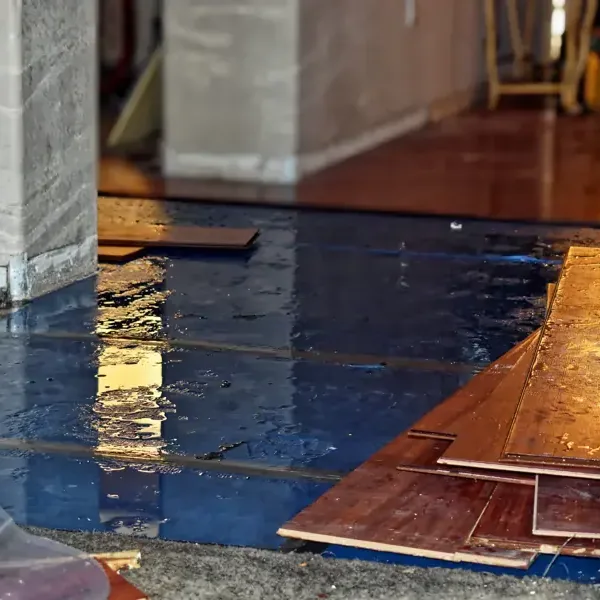
Make the affected area safer to assess
- 1
Keep entry controlled
Residents should stay outside rooms with sewage, unstable ceilings or water around electrical equipment. Pets also need a dry route away from affected flooring.
- 2
Stop an accessible supply
A safely reachable water shutoff can limit an indoor plumbing release. Nobody should cross standing water or disturb electrical equipment to reach it.
- 3
Record visible changes
Photographs should show the source area, adjoining rooms and damaged belongings. Keep the discovery time and any plumbing repair information together for later assessment.
- 4
Separate dry belongings
Move portable dry items only when the route is safe. Heavy saturated furniture and contaminated possessions should remain for a planned handling assessment.
- 5
Describe the water path
An initial description should include which levels are wet, whether water still enters and any ceiling movement. This helps organize access and inspection priorities.
Different sources need different work
A supply leak, storm entry and backed up drain leave different cleanup problems. Select the service that best describes the visible damage and suspected source.

Water Extraction and Removal
Standing puddles need removal before crews can evaluate moisture trapped beneath flooring, along wall bases and inside adjoining rooms.
Water Extraction and Removal details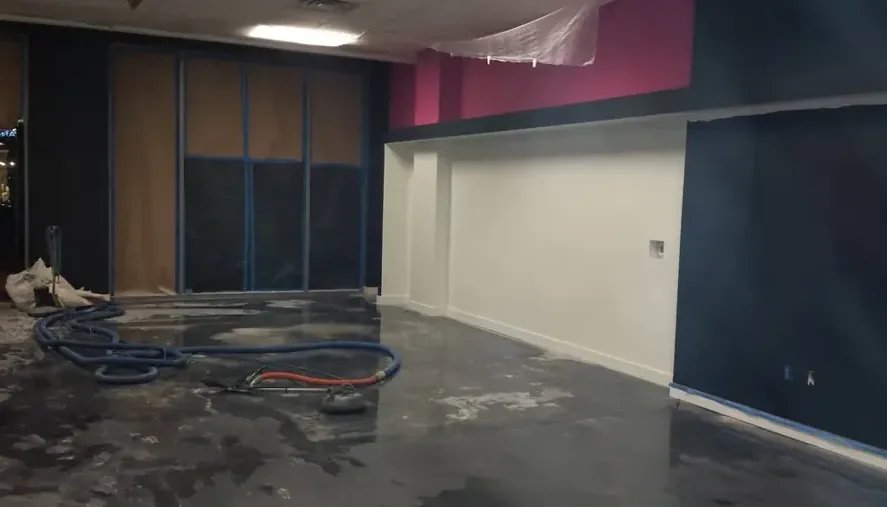
Basement Flooding Cleanup
Lower rooms need safe pumping access, a source assessment and checks of stairs, stored belongings and saturated finished surfaces.
Basement Flooding Cleanup details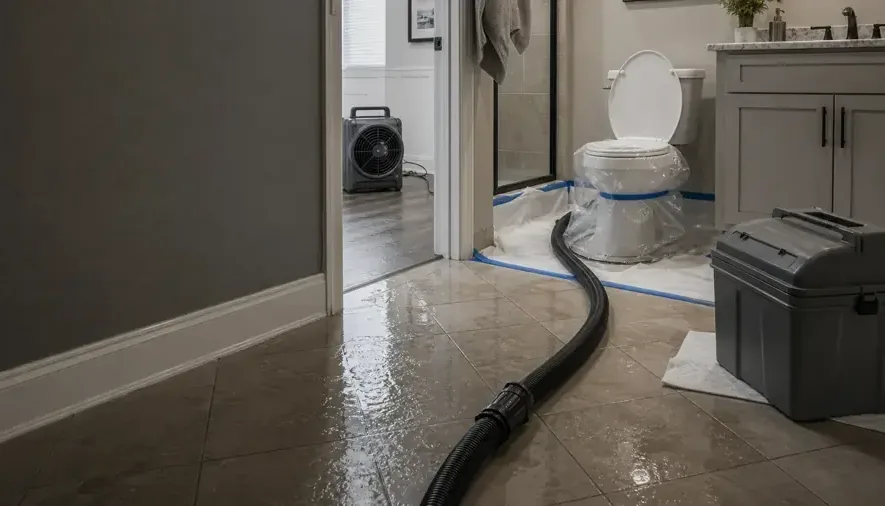
Sewer Backup Cleanup
Wastewater requires restricted access, controlled removal and cleaning decisions that account for contamination in porous finishes and contents.
Sewer Backup Cleanup details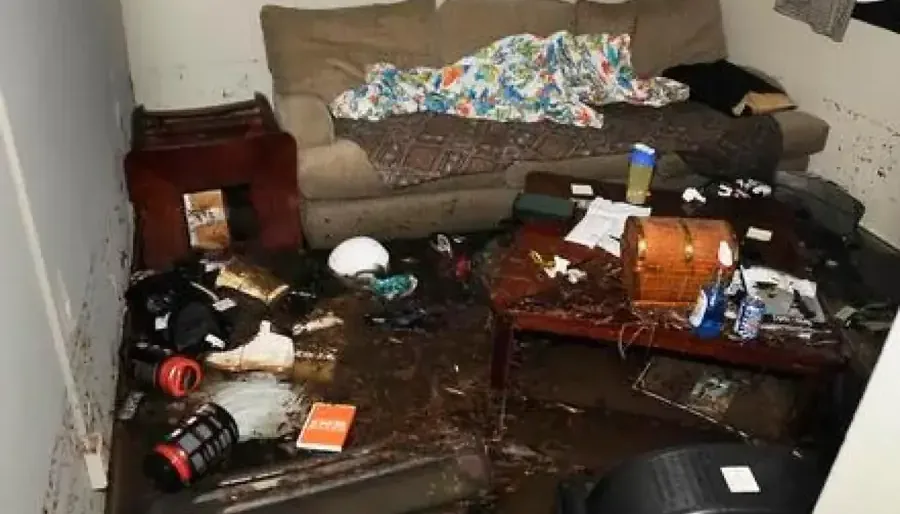
Storm Flood Cleanup
Rain runoff and floodwater can carry sediment indoors, making debris handling and source protection part of the cleanup scope.
Storm Flood Cleanup details
Burst Pipe Water Damage
A sudden plumbing release can soak several assemblies before shutoff, including floor layers beyond the first visible wet spot.
Burst Pipe Water Damage details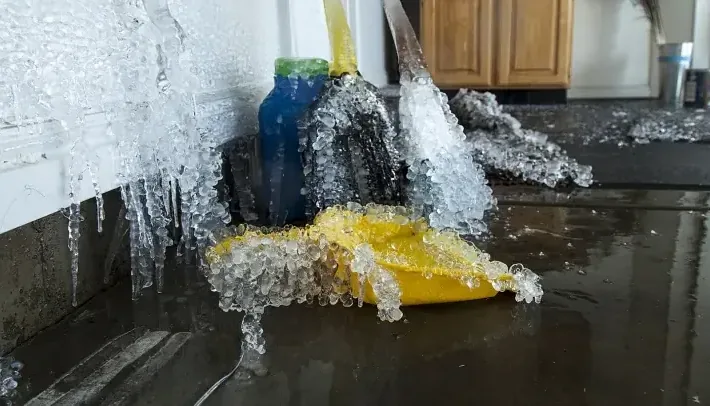
Frozen Pipe Cleanup
After a split pipe is isolated, thaw related water needs removal and a careful search through concealed wet cavities.
Frozen Pipe Cleanup details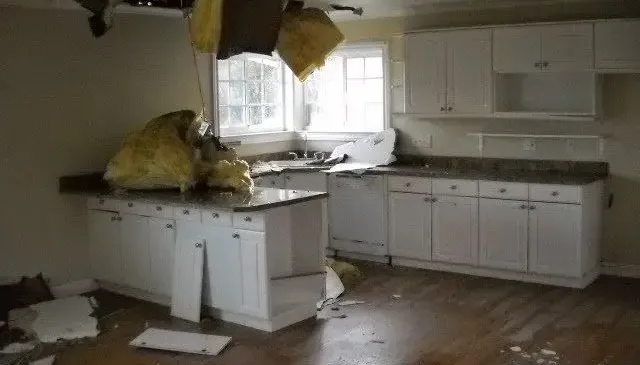
Ceiling Leak Water Damage
Overhead stains and sagging surfaces require an assessment of material stability before cleanup beneath the leak can begin safely.
Ceiling Leak Water Damage details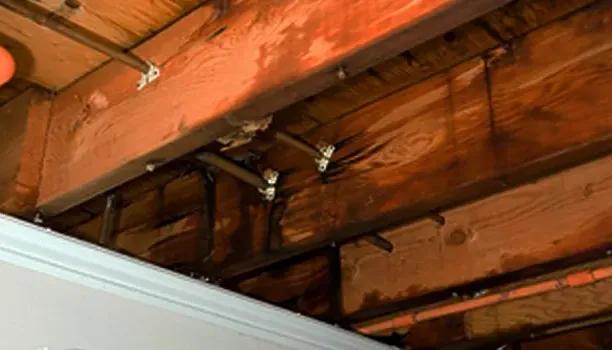
Roof Leak Water Damage
Rain entering above the ceiling calls for roof protection alongside inspection of attic insulation, framing and interior finishes.
Roof Leak Water Damage details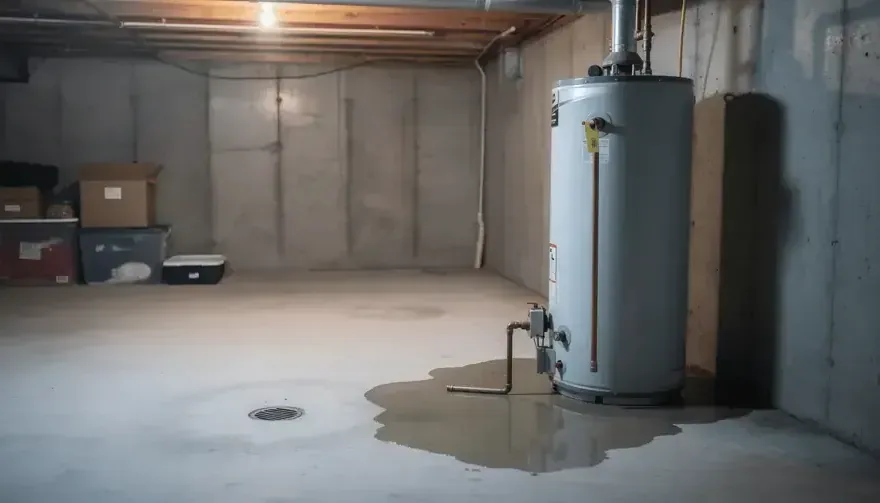
Water Heater Leak Cleanup
Water around a tank can reach nearby partitions and stored items, even when the visible puddle appears confined.
Water Heater Leak Cleanup details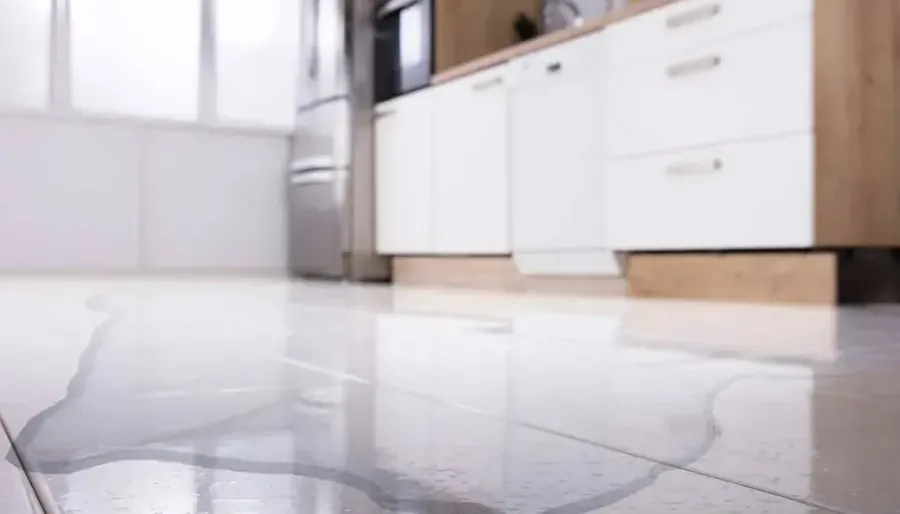
Appliance Leak Water Damage
Leaks under cabinets or laundry equipment need attention to hidden floor edges, connections and water beneath fixed furnishings.
Appliance Leak Water Damage details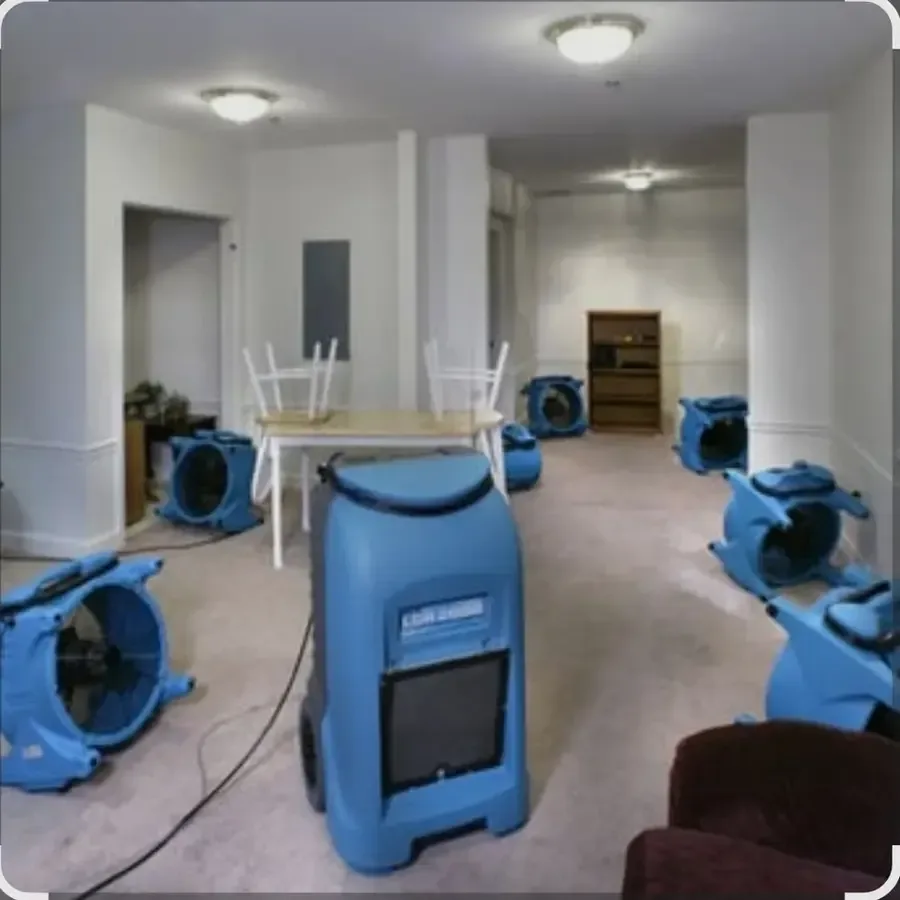
Structural Drying and Dehumidification
Moisture readings help determine which retained materials need airflow, dehumidification or additional access before rebuilding can proceed responsibly.
Structural Drying and Dehumidification details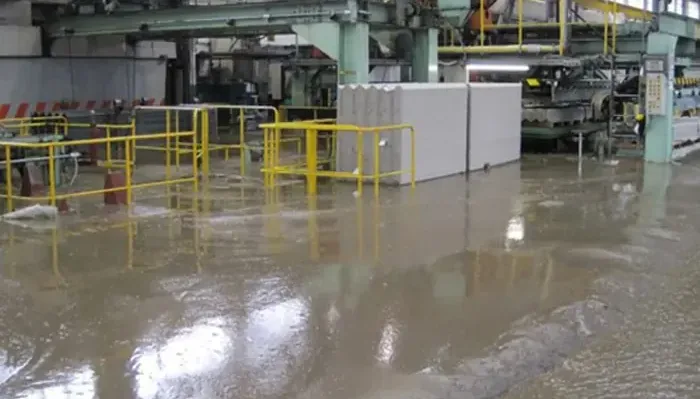
Commercial Water Damage
Business cleanup includes occupancy decisions, protected work routes and documentation of affected furnishings, stock and building materials.
Commercial Water Damage detailsRemoval and drying solve different problems
Extraction clears accessible liquid; drying addresses moisture held inside materials. The scope should connect both tasks so that a dry looking room is checked before replacement flooring or fresh finishes hide the structure.
- 1
Map the spread
Record affected surfaces and test neighboring materials, including areas beyond obvious staining where water could have traveled unnoticed.
- 2
Remove accessible water
Select equipment around water depth, access and contamination, while protecting dry rooms from hoses and wet foot traffic.
- 3
Manage retained moisture
Place drying equipment to reach the materials being saved and adjust the arrangement as readings change during the project.
- 4
Assess the endpoint
Compare final material readings with the drying objective and list remaining repair work before damaged rooms are closed again.
What does Oregon City water cleanup cost?
An Oregon City cleanup estimate depends on the number of wet assemblies, water condition and access needed for removal. A contained room differs from water crossing floors or entering concealed cavities. Inspection establishes the work included in a written project estimate.
Contained room cleanup
- Accessible water removal
- Limited material involvement
- Focused drying setup
Connected interior damage
- Several wet surfaces
- Adjoining room checks
- Expanded equipment placement
Extensive affected assemblies
- Complex moisture access
- Broader removal needs
- Detailed progress documentation
These planning ranges describe cleanup scope. Plumbing replacement, finish reconstruction and any unusual access requirements should be identified separately in the estimate.
Start with what entered the room
Supply water release
A broken supply pipe needs isolation and a moisture survey that follows the release through connected building materials.
Assess pipe cleanupUsed appliance water
Laundry or kitchen water may contain residues, so the appliance cycle and affected finishes influence cleaning and removal decisions.
Inspect appliance damageWastewater entering indoors
A sewer overflow calls for contamination controls before contents handling, surface cleaning or drying equipment placement begins.
Evaluate sewage exposure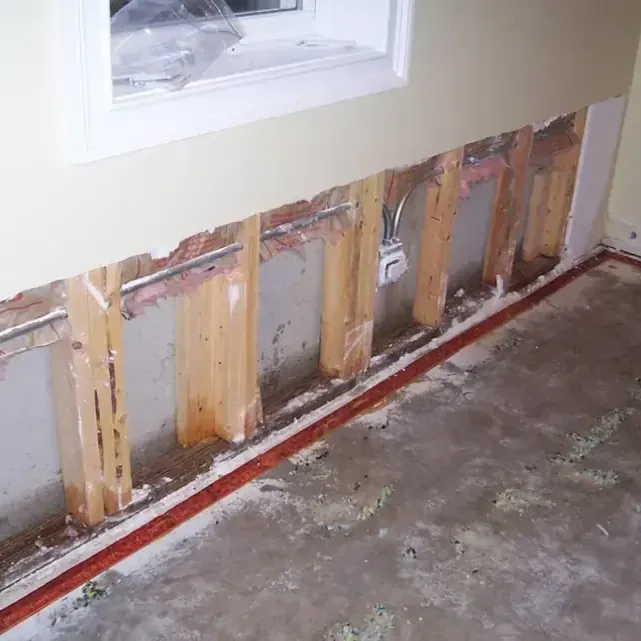
Plan around the actual building
Oregon City's preserved houses and varied neighborhoods call for inspection at the property level. Water movement through the room, material condition and safe access determine the work required to prepare a damaged interior for repairs.
Room specific findings
A useful assessment identifies damaged finishes individually rather than assigning the same removal decision to every surface in the room.
Clear repair boundaries
Source repairs and restoration tasks should be described separately so the owner understands who handles each part of recovery.
Measured progress
Material readings provide a practical record of drying changes and help reveal areas that still need a closer examination.
Usable project records
Photographs, equipment notes and disposal details make the cleanup sequence easier for an owner or property manager to follow.
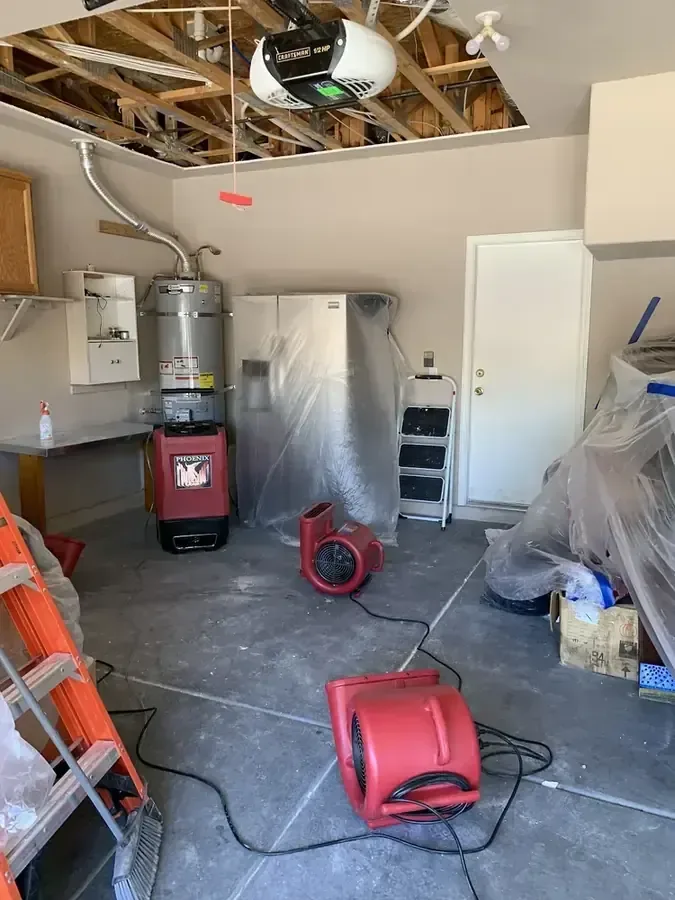
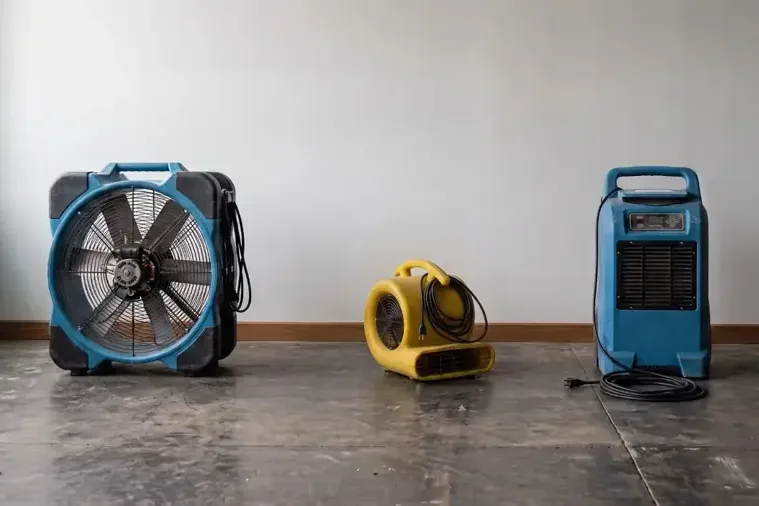
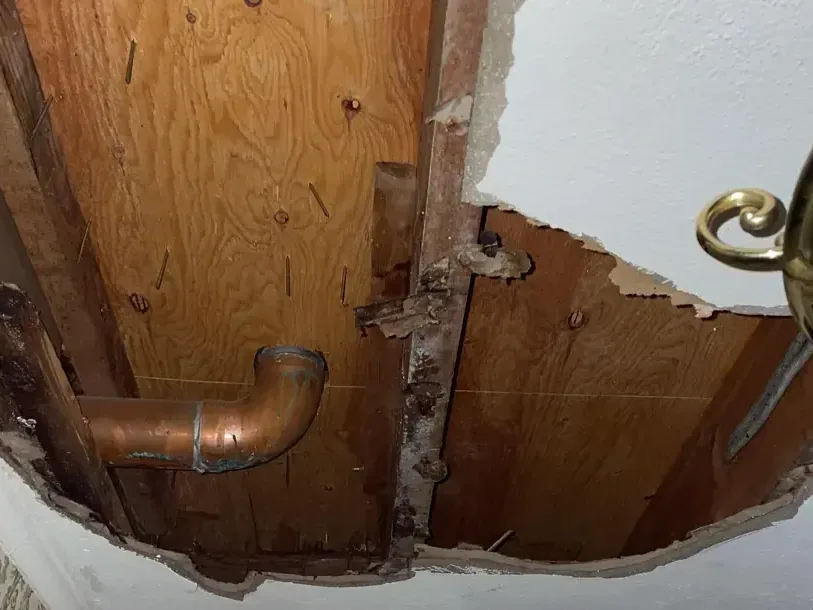
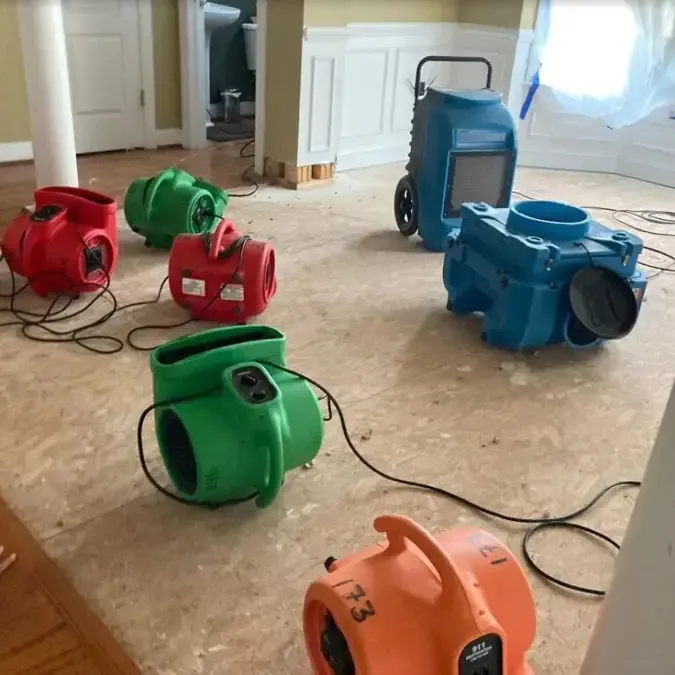
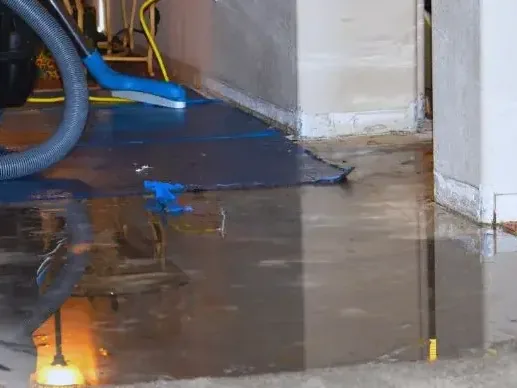
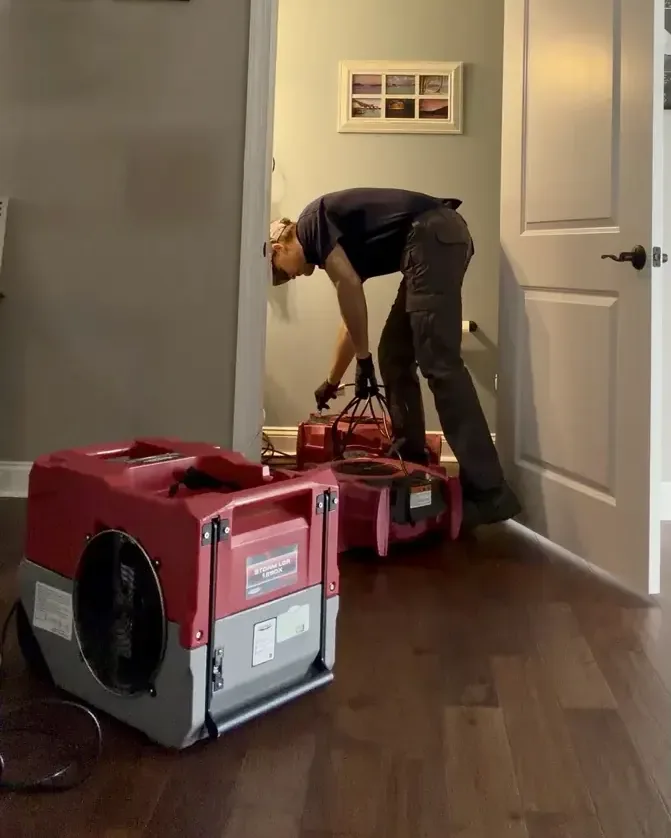
Examples of access, drying and affected surfaces
Document conditions before finishes change
A useful claim record follows the damage from discovery through cleanup. Coverage decisions belong to the policy assessment, while clear records describe the work performed.
- Photograph the entry point and each affected room.
- Save source repair invoices with the discovery notes.
- List wet belongings before disposal decisions are made.
- Keep removal and drying charges clearly itemized together.
- Retain final readings and photographs of accessible materials.
When payment comes directly
An owner paying directly can request a phased estimate that identifies urgent removal first, then drying and any later reconstruction. Clear exclusions help with budgeting.
Material salvage decisions should account for water condition and damage, as well as replacement costs. The least expensive immediate action may leave necessary work unfinished.
Cleanup across Oregon City
Areas to identify when calling
Local ZIP
Other service areas
Plan before you call
Rivers, bluffs and drainage affect planning
The lower city occupies a bench beside the Willamette River, while upper areas sit on a basalt bluff. Restoration planning still begins inside the affected building, with attention to the observed water entry.
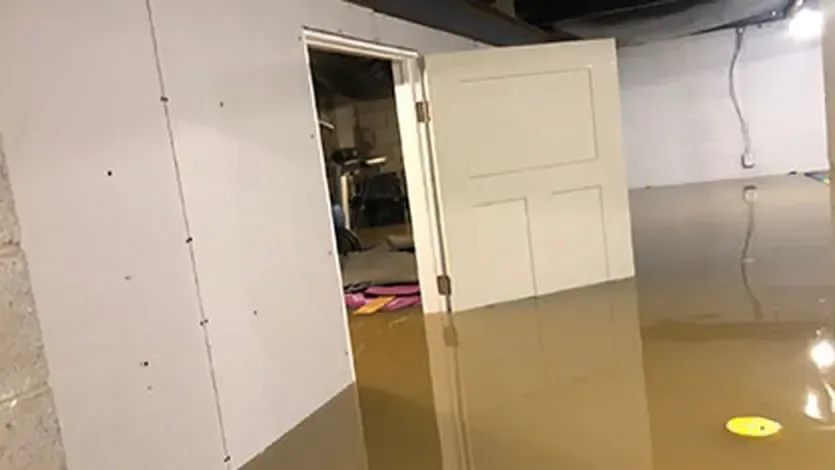
Flooded lower room: Water extends through the doorway of this basement room. Safe entry comes first, followed by removal and checks of door trim, wall bases and other submerged finishes.
- Downtown setting Two Rivers is the city's lowest neighborhood and primarily commercial. An interior assessment should identify affected work areas, stored goods and safe entry routes.
- Older houses McLoughlin includes many older homes. Ceiling and wall inspections need to account for the actual layers encountered during careful moisture assessment.
- Wet winter conditions Cool, wet winters make active rain entry a practical concern. Temporary source protection and interior cleanup need to be coordinated during ongoing weather.
- Sewer overflows The city warns that storm related inflow and infiltration can cause sewer overflows and basement damage during and after heavy storms.
- Property mapping OCWebMap includes floodplain and historical inundation layers. Property planning can pair map assessment with inspection of the actual entry path and room conditions.
Questions after indoor water damage
What should happen before a wet room is entered?
Electrical exposure, sewage and unstable overhead materials need evaluation first. A room that appears accessible from the doorway may still contain hazards behind furniture, beneath standing water or above a stained ceiling.
Does a removed puddle mean the floor is dry?
Floor coverings can conceal moisture in backing, underlayment or the subfloor. Measurements and selective access help establish whether those layers can dry in place or require removal before the room is repaired.
Can cleanup begin while plumbing repairs are arranged?
Safe removal can sometimes proceed alongside repair coordination once continuing flow is controlled. The scope should distinguish the failed plumbing repair from water extraction, material removal and the subsequent drying work.
How should a tenant report damage to management?
The report should describe the discovery time, rooms affected and any active leak. Photographs and a clear access arrangement help management coordinate source repairs and inspection without repeatedly disturbing the same areas.
Why does a sewage backup require different handling?
Wastewater changes how possessions and building finishes are handled. Controlled access, removal of unsuitable porous materials and surface cleaning come before a drying plan that keeps contamination from spreading to dry rooms.
Are all stained ceilings removed during cleanup?
The decision depends on moisture, stability and material condition. Sagging or weakened sections may need controlled removal, while stable retained areas need inspection and drying before any cosmetic repair is considered.
What determines how long equipment remains in place?
Material readings, room conditions and moisture access determine the drying endpoint. Dense layers and concealed spaces can respond differently, so equipment placement may change as the project reveals where moisture remains.
Can river flooding be assessed through city mapping?
OCWebMap includes historical inundation and floodplain layers for property assessment. Cleanup crews still need the observed source, water condition and interior damage details to establish the work required at a particular building.
What records should remain after the cleanup finishes?
Keep the written scope, dated damage photographs, equipment information and final material readings. Source repair documents and replacement recommendations provide a useful handoff when a separate contractor completes the remaining reconstruction.
Start with the source and the wet materials
An Oregon City restoration assessment can turn scattered damage into a clear sequence for removal, cleaning, drying and the repairs that follow those tasks.