Lake Oswego Water Damage Restoration
A wet room needs more than a cleared puddle. Lake Oswego restoration starts with the water source, follows moisture into adjoining materials, and gives damaged spaces a measured path toward repair.
(888) 373-8814Plan the wet room recoveryWater removal and material drying belong together in a complete recovery plan.
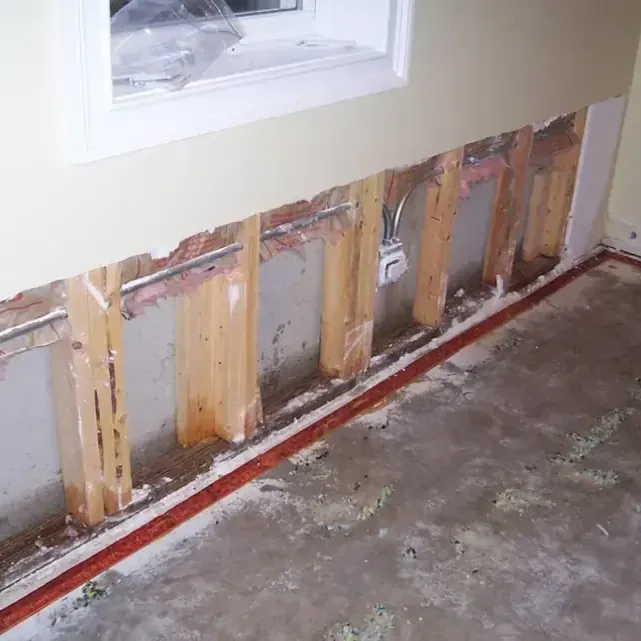
Keep a manageable leak from spreading further
- 1
Pause at the doorway
Standing water near outlets or equipment needs an electrical safety assessment before anyone walks into the affected room to retrieve belongings.
- 2
Stop a reachable source
An accessible supply valve can limit a plumbing release when the approach is dry and safe; damaged equipment needs qualified repair.
- 3
Keep wet areas separate
Close access to sewage or exterior floodwater, keeping people and pets away while the contamination and cleanup requirements are assessed.
- 4
Capture the starting condition
Photograph visible water, damaged finishes and the apparent source from a safe position before cleanup changes the scene or materials move.
- 5
Describe every affected level
Mention ceiling drips, wet baseboards and adjoining rooms when requesting assistance, including areas where the floor looks dry but feels damp.
Cleanup shaped around the source and materials
Different losses leave different problems behind. These services separate supply leaks, dirty water and trapped moisture so the next action addresses the actual damaged assembly.

Water Extraction and Removal
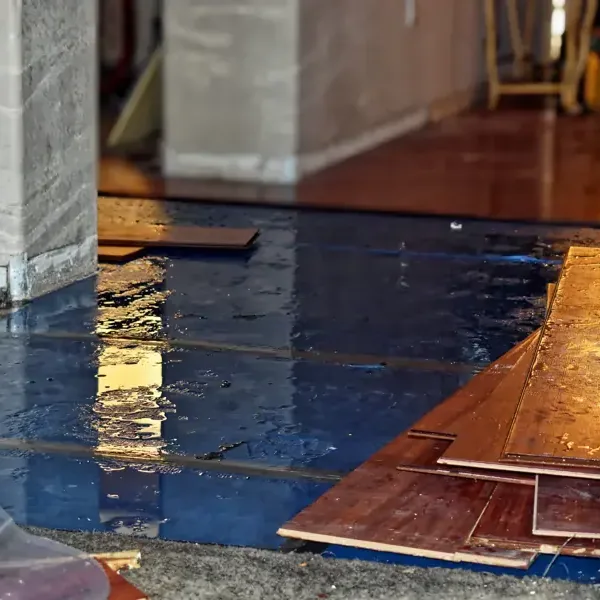
Remove accumulated water from accessible floors while checking thresholds, carpet edges and adjoining spaces for moisture that escaped notice.
Water Extraction and Removal details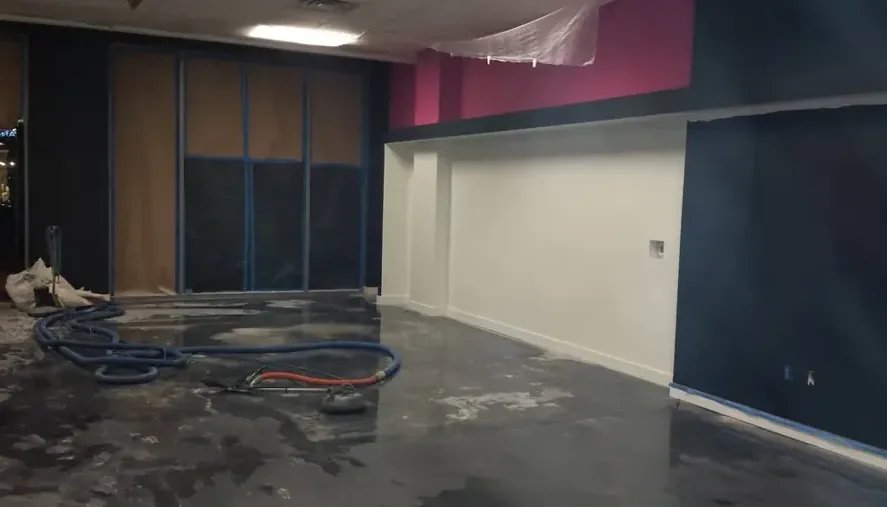
Basement Flooding Cleanup
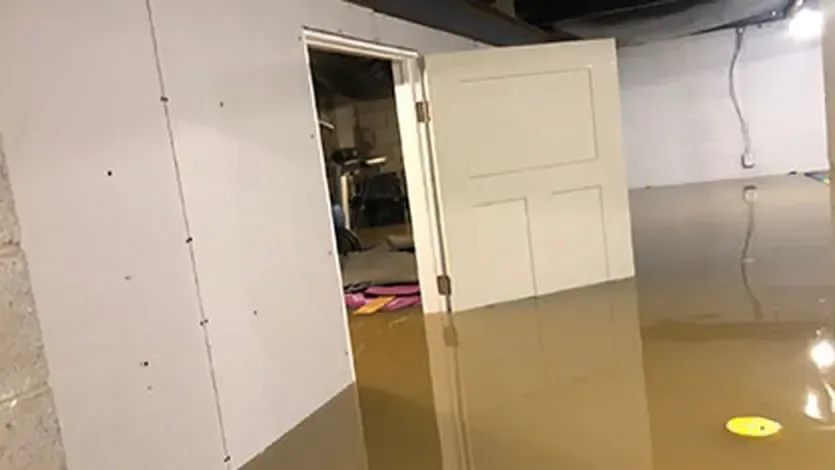
Assess lower rooms for unsafe access, submerged contents and wet wall bases before pumping, cleaning and drying begin.
Basement Flooding Cleanup details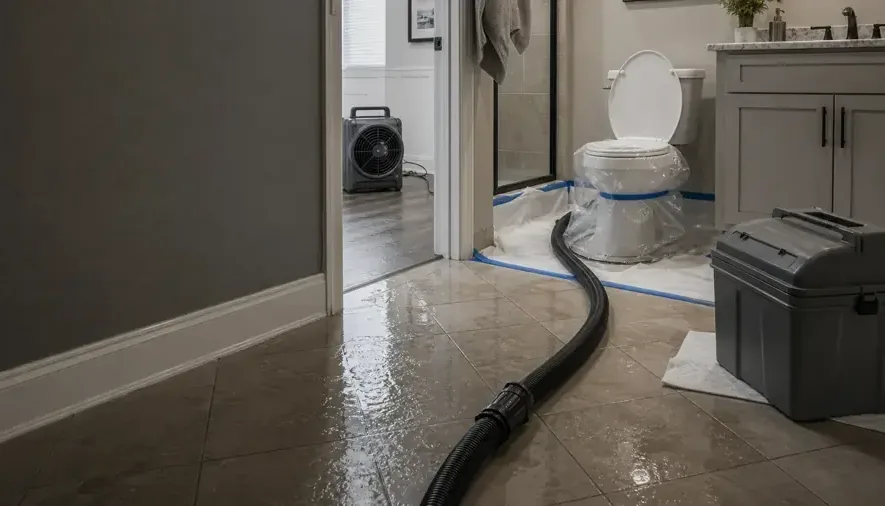
Sewer Backup Cleanup
Isolate wastewater contamination, remove affected porous materials where needed and clean recoverable surfaces before planning the dryout.
Sewer Backup Cleanup details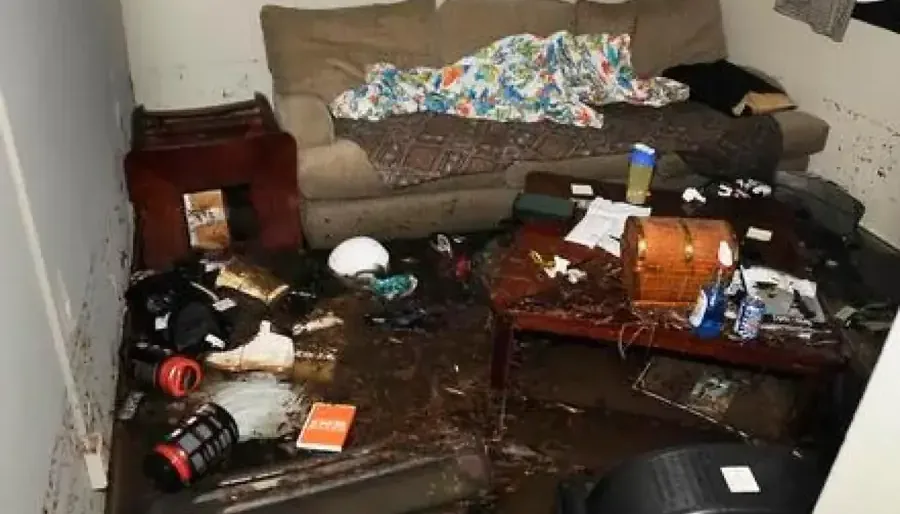
Storm Flood Cleanup
Clear storm carried water and sediment after safe entry, with attention to debris trapped beneath finishes and belongings.
Storm Flood Cleanup details
Burst Pipe Water Damage
Follow a sudden supply release through walls and floors after the broken plumbing has been brought under control.
Burst Pipe Water Damage details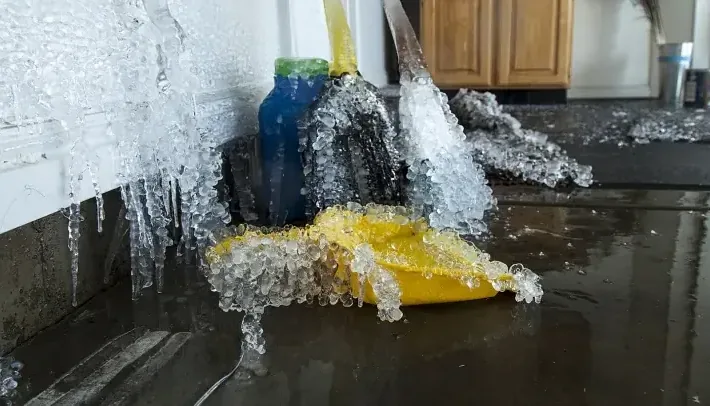
Frozen Pipe Cleanup
Address water released as frozen plumbing warms, including damp insulation and hidden damage beside exterior wall cavities.
Frozen Pipe Cleanup details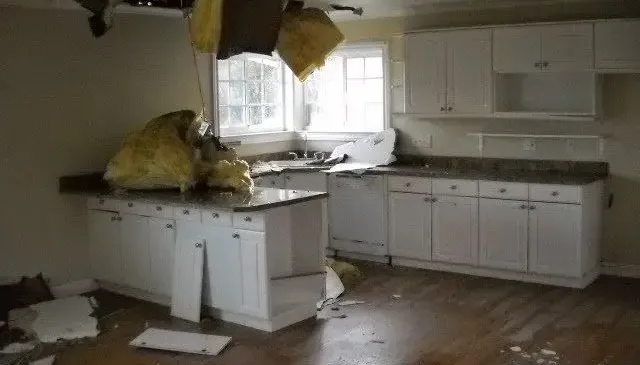
Ceiling Leak Water Damage
Evaluate sagging overhead finishes and trace moisture beyond the visible stain before closing or repainting the ceiling.
Ceiling Leak Water Damage details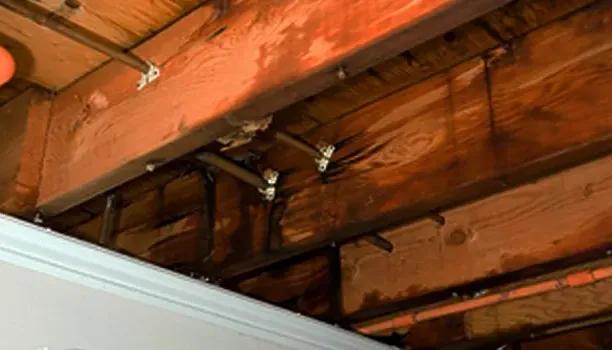
Roof Leak Water Damage
Dry the interior route of roof entry water, from attic materials down into ceiling edges and wall junctions.
Roof Leak Water Damage details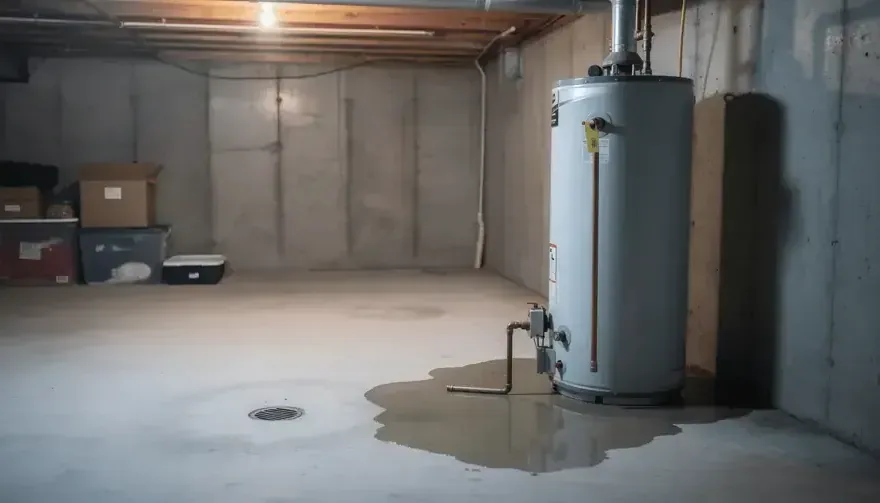
Water Heater Leak Cleanup
Recover the utility area around a leaking tank and inspect flooring beneath nearby storage, partitions and equipment.
Water Heater Leak Cleanup details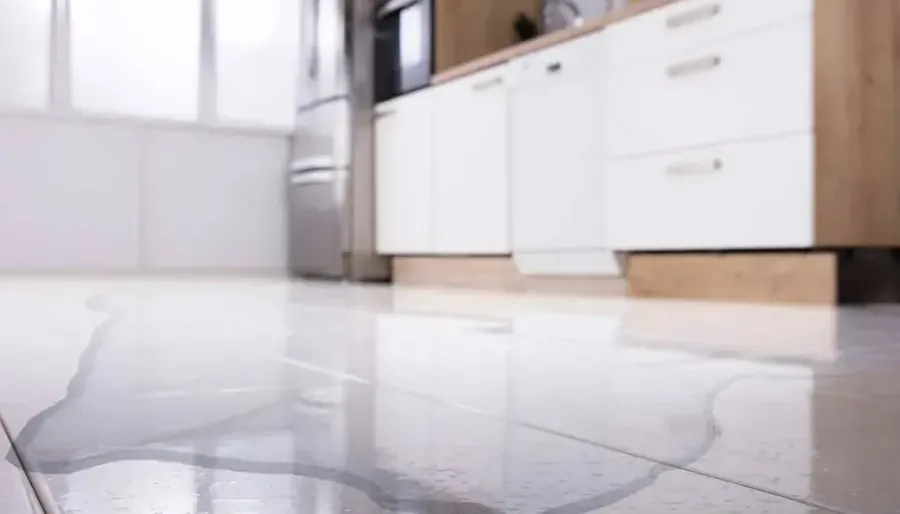
Appliance Leak Water Damage
Find moisture concealed by kitchen cabinets or laundry equipment after an appliance supply connection or drain has leaked.
Appliance Leak Water Damage details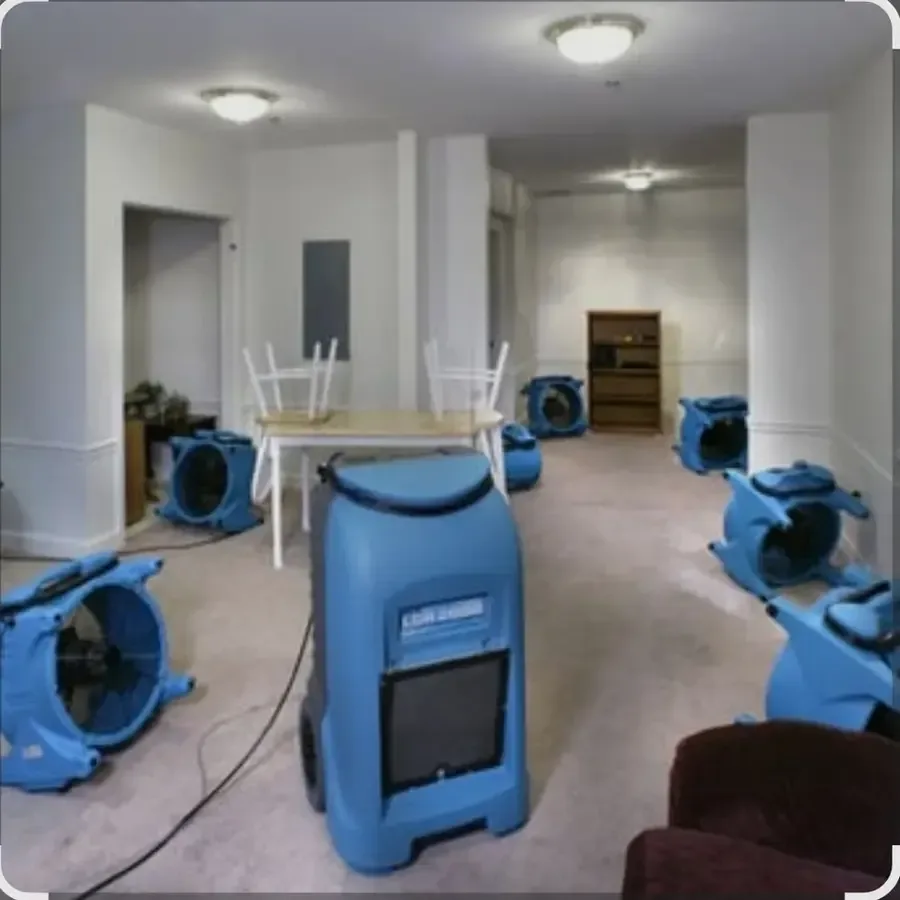
Structural Drying and Dehumidification
Use material readings and controlled humidity to dry framing, subfloors and other assemblies selected for retention after cleanup.
Structural Drying and Dehumidification details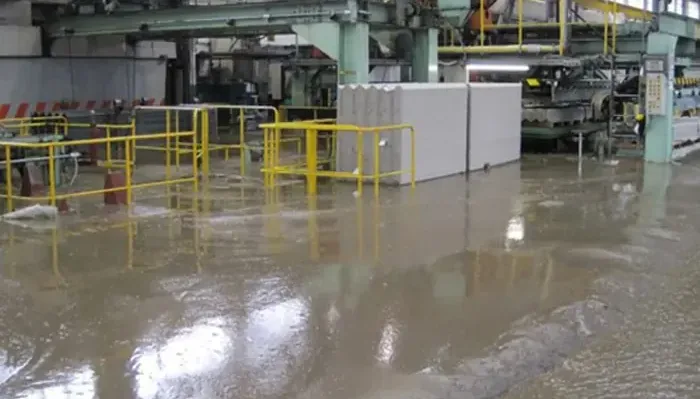
Commercial Water Damage
Organize affected business interiors around safe access, separated work areas, damaged stock and documented restoration priorities.
Commercial Water Damage detailsEach decision should support the next repair
Restoration succeeds when water control, cleanup and drying connect. A room should reach a documented drying endpoint before replacement finishes cover the surfaces that were wet during the loss.
- 1
Identify the release
Determine whether the water came from plumbing, drainage or outdoors, then address continuing entry before expanding the cleanup.
- 2
Expose the problem
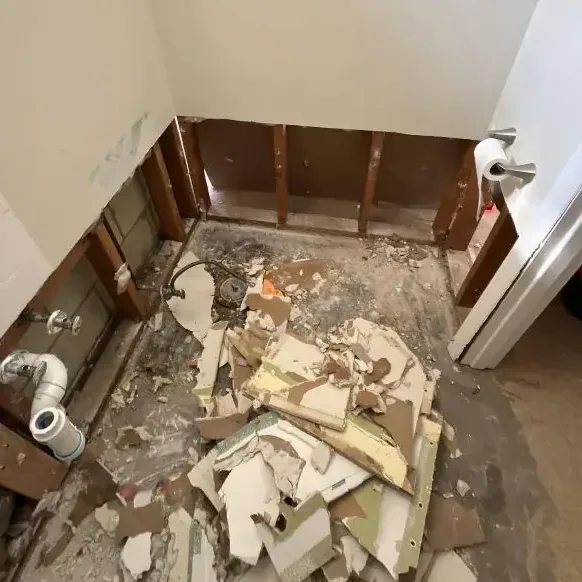
Inspect concealed edges and remove unsalvageable material where necessary to reach moisture that surface extraction cannot remove.
- 3
Manage the dryout
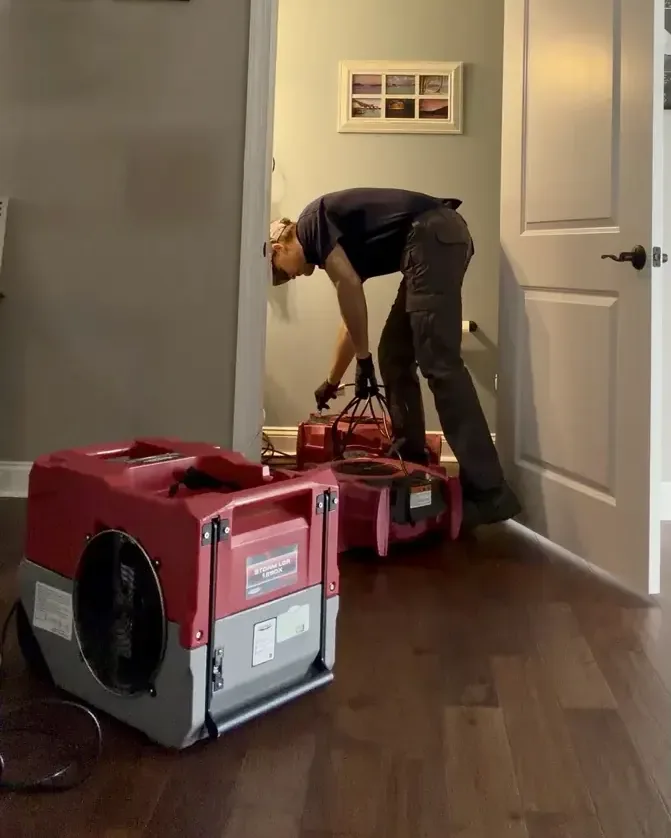
Choose air movement and dehumidification for the retained materials, checking progress rather than relying on surface appearance.
- 4
Prepare for finishing
Check the final readings, outstanding source repairs and removed materials so the rebuilding scope follows the actual damage.
What changes restoration costs in Lake Oswego?
Lake Oswego water damage work depends on the water category, affected floor area and depth of material involvement. An exposed utility floor needs a different scope from water beneath cabinets or inside insulated walls. The ranges below organize planning before an inspection defines the work.
Limited accessible damage
- Localized water removal
- Exposed surface cleaning
- Small retained drying area
Connected room recovery
- Several affected finishes
- Selective material removal
- Adjoining cavity moisture checks
Extensive interior loss
- Broader contaminated areas
- Complex drying access
- Multiple wet building assemblies
Source repairs, replacement finishes and the condition beneath flooring can change the final scope; a written estimate should distinguish these responsibilities clearly.
The source matters as much as the puddle
Supply water release
A broken supply pipe can wet several assemblies before water appears at a doorway or ceiling joint.
Follow the pipe releaseAppliance affected water
An overflowing machine may carry residues into porous flooring, calling for more than wiping the visible spill.
Check beneath the applianceWastewater inside rooms
Sewage requires restricted access and a contamination focused removal plan before recoverable surfaces can be dried safely.
Separate the sewage area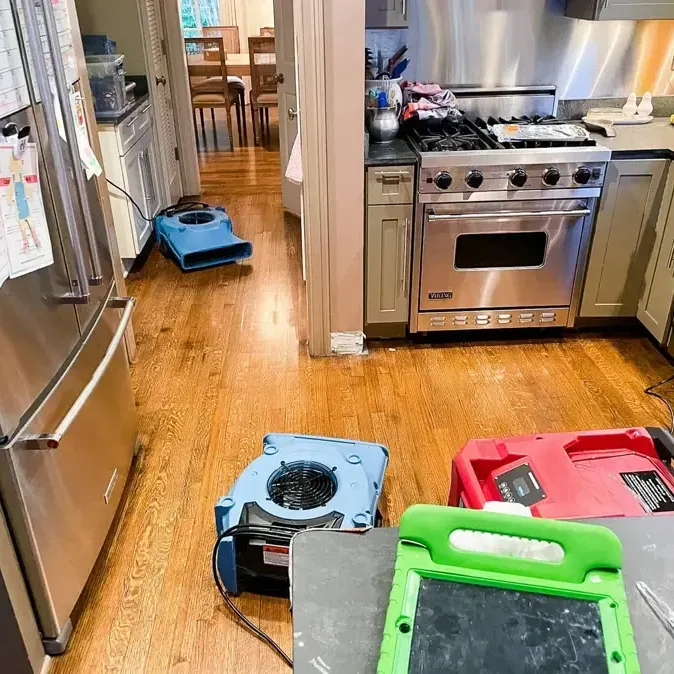
A useful assessment explains what stays
Homeowners need clear reasons for removing a finish or keeping it in place. Material condition, contamination and access should support those decisions, with moisture readings showing whether the retained assembly is progressing.
Traceable decisions
A marked wet area connects each proposed opening or removal to the surfaces affected by the original water release.
Practical access planning
Furniture, storage and narrow work areas influence how equipment reaches the damage and how occupants move around the project.
Separate responsibilities
Plumbing or roof repair should be coordinated with cleanup so restored rooms do not receive another release from the source.
Readable closeout records
Drying notes and photographs help explain the completed mitigation work and identify the finishes still awaiting repair or replacement.
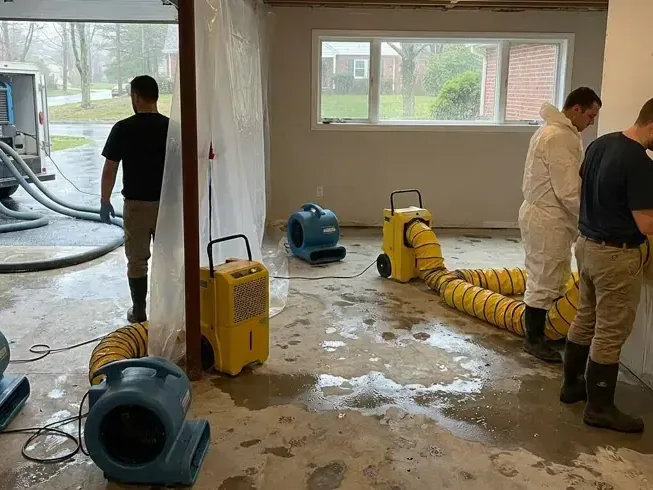
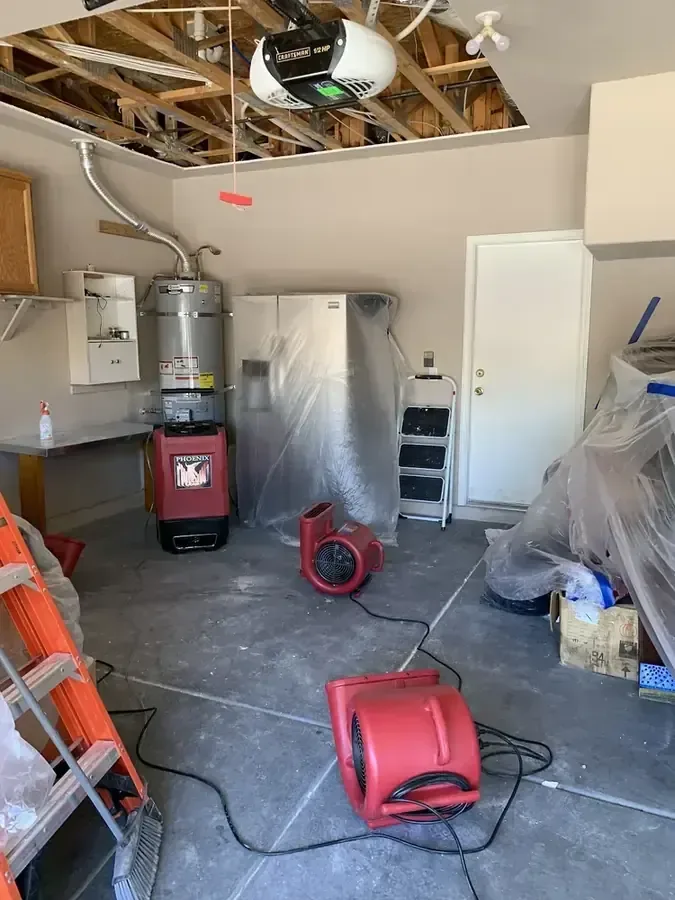
Water removal, open assemblies and drying equipment
Document damage before finishes change
A clear claim file connects the source, affected materials and work performed. Photographs and itemized records help the insurer check the loss under the policy.
- Photograph the source and rooms before materials move.
- Keep receipts for emergency work and temporary protection.
- List belongings affected, with their visible condition recorded.
- Retain drying notes alongside the itemized mitigation estimate.
- Ask the insurer about disposal documentation before discarding contents.
When paying for cleanup directly
A self funded project still benefits from a written scope that distinguishes water removal, sanitation, drying and reconstruction. Priorities should address active damage before cosmetic work begins.
Request an explanation of equipment charges and any proposed openings. Comparing scopes is more useful than comparing totals that include different repair responsibilities.
Arrange an assessment in Lake Oswego
Places that help identify the property
Local ZIP areas
Other service areas
Plan before you call
Lake history and present day drainage concerns
Oswego Lake, local drains and household plumbing create distinct water pathways. Understanding which pathway reached a building helps separate sediment cleanup, sewage precautions and the drying needs of a supply leak.
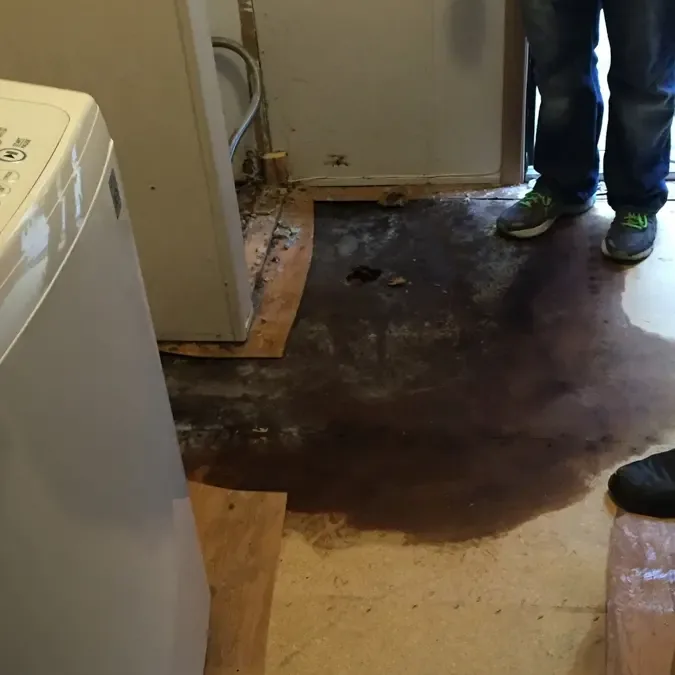
Water beside an appliance: Water has spread across the floor beside this appliance. Extraction addresses the accessible puddle, while checks beneath the unit and along adjoining finishes establish the drying area.
- Lake overflow The documented flood affected basements and boathouses, making below floor access and submerged materials important parts of a lower room assessment.
- Drain obstructions City stormwater guidance identifies leaves and debris at drains as a cause of localized flooding; water entry still needs investigation at the building.
- Separate systems Municipal stormwater drainage is separate from the sewer system, so a wastewater backup and exterior runoff require different source checks and cleanup decisions.
- Cold weather plumbing City emergency guidance warns that pipes near exterior walls can freeze and burst, with water problems appearing as warmer temperatures return.
- Heavy winter rainfall Unusually heavy rainfall challenges the municipal sewer system each winter, making the water source an essential question when drains overflow indoors.
Questions before water cleanup begins
Should a damp adjoining room be included in the assessment?
Yes. Water can travel beneath a threshold or through a wall base before a second room shows a puddle. Checking that adjoining space helps set the true cleanup boundary and equipment placement.
Does a dry floor surface mean the work is finished?
Surface dryness can hide moisture in underlayment, framing or insulation. The retained materials need appropriate readings and a drying check before new finishes conceal them or furniture returns to the area.
Can a flooded basement be entered to save belongings?
Entry depends on electrical, structural and contamination conditions. A flooded lower room should remain closed until safe access is established, particularly when appliances, outlets or sewage could be involved.
What information helps with a kitchen leak assessment?
Describe the appliance or fixture involved, when water was noticed and whether cabinet bases or nearby rooms became wet. Photos taken from dry ground can help explain the visible spread before equipment arrives.
Why might some wall material need removal?
A wet cavity may be inaccessible through its finished face, and contaminated or damaged porous materials may be unsuitable for retention. The scope should explain each opening and the material condition supporting it.
Are Lake Oswego storm drains connected to the sewers?
The city identifies separate stormwater and sewer systems. That distinction matters during investigation: rain entering at a doorway and wastewater rising through a fixture call for different source control and cleaning measures.
Can roof repair alone resolve a wet ceiling?
Stopping rain entry addresses the source, but insulation, framing and ceiling finishes may still hold moisture. Interior assessment and drying should follow the water path before the ceiling is sealed or decorated.
How can a cleanup estimate be compared fairly?
Compare the included rooms, removal work, equipment monitoring and finishing responsibilities. A lower total may cover fewer tasks, so written scope details are necessary before choosing between proposed recovery plans.
What should remain in the final project record?
Keep the initial damage photographs, source repair information, removal scope and drying documentation together. These records explain the condition before rebuilding and help separate completed mitigation from any remaining finish work.
Give wet materials a clear recovery plan
Discuss the visible water, hidden moisture concerns and access conditions to organize a Lake Oswego assessment around the work the property actually needs.