Basement Flooding Cleanup in Tualatin, OR
The basement cleanup team evaluates water depth, electrical hazards and pressure outside the foundation before pumping and drying. Tualatin homeowners can request 24/7 help for a wet lower room, with contamination assessed before work begins.
(888) 373-8814Discuss a safe basement pump-out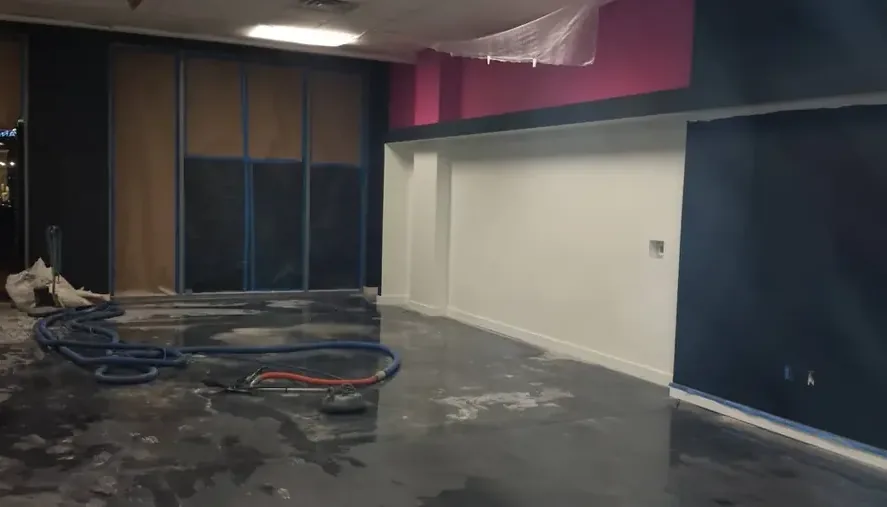
Water at the foot of the stairs calls for more than a portable fan. A lower room can hold water against wall finishes, storage and utility equipment while the route out remains narrow. In the Jurgens Park area, near Nyberg Road and around Bridgeport Village, the restoration team checks the actual building layout and the reported entry point. The city maintains separate stormwater and sanitary systems, so rain seepage and drain backflow require different source investigations.
- The restoration team marks wet boundaries before placing drying equipment.
- Source water, contamination and material condition determine the removal scope.
- Documented material readings, checked against an appropriate dry reference, determine completion.
What does basement flooding cleanup cost in Tualatin, OR?
Basement flooding cleanup in Tualatin commonly ranges from $1,500 to $8,000 or more. Depth, contamination, stored contents and finished-wall removal influence cost, along with how readily the lower room can be accessed and dried.
Unfinished lower room
- Accessible pump-out
- Limited porous finishes
- Concrete moisture checks
Finished room loss
- Flooring assessment
- Wall-base access
- Controlled equipment setup
Contaminated basement
- Porous material removal
- Contents separation
- Cleaning before drying
Ranges are typical, not a quote: category of water, square footage, material class and how fast drying started move the number most. Run the Tualatin water damage cost calculator for a closer range.
How basement flooding cleanup is handled in Tualatin
The tech who does the walkthrough maps moisture through the affected assembly and records a dry comparison. The drying team adjusts airflow and humidity control after each inspection, then confirms the material goal before removing equipment.
- 1
Check pressure and utilities
The crew reviews water conditions inside and outside, then establishes safe entry and a controlled pumping route.
- 2
Lower the accumulation
Water removal follows the assessed conditions, with debris separated and equipment kept clear of the household access path.
- 3
Expose affected assemblies
The technician maps moisture behind finishes and removes unsalvageable materials so the remaining structure can be cleaned and dried.
- 4
Confirm the lower-room goal
Repeat readings show whether concrete, framing and wall edges are improving before the team releases the room for repairs.
Safe basement pumping starts outside the room
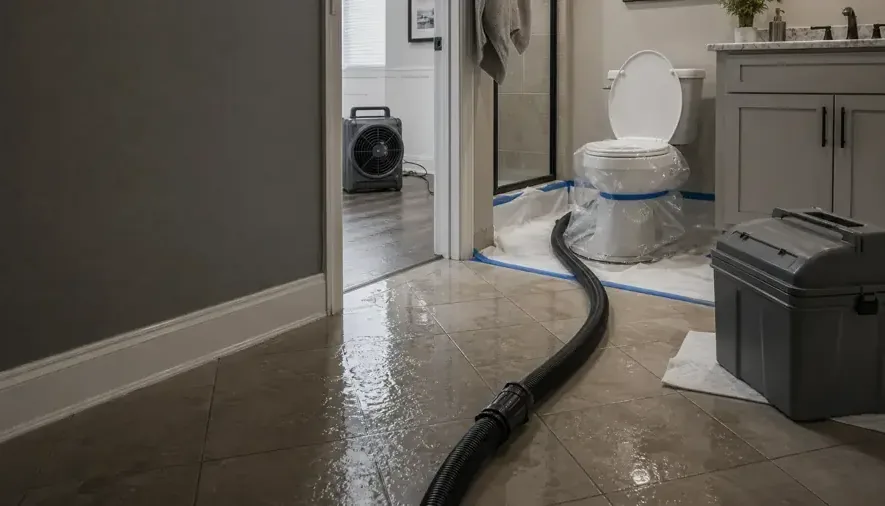
The technician checks the stairs, electrical service and signs of structural movement before entering. Deep water outside a foundation can create pressure differences during pumping. The removal plan therefore considers surrounding conditions rather than emptying the room indiscriminately. A safe discharge route also matters: removed water must not return through the same opening or cross a dry occupied area.
- Keep people away from submerged outlets and utility equipment.
- Identify sewage or outdoor floodwater before sorting contents.
- Inspect window wells and the observed entry path where accessible.
- Separate pump discharge from walkways and dry storage.
Lower-wall finishes can hide the wet edge
Wallboard, insulation, floor coverings and shelving can absorb water above the visible level. The crew checks those materials individually. Contaminated porous components come out; sound framing receives cleaning and controlled drying when appropriate. A darkened concrete surface alone cannot define the whole scope, and enclosed framing needs its own moisture readings before the drying target is confirmed.
The federal flood safety advice explains why standing water requires caution. Where a property lies in a mapped floodplain, the city's flood hazard permit information also matters before reconstruction, including some interior work.
Basement drying needs accessible materials
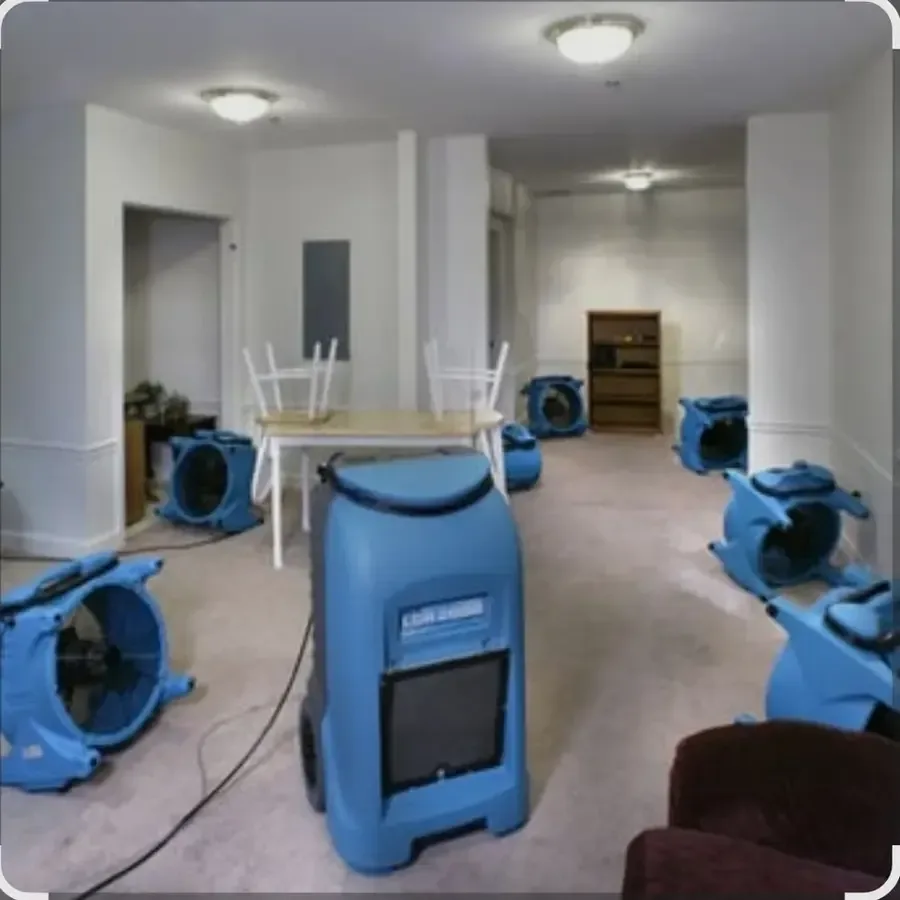
Air movers direct evaporation from exposed surfaces while dehumidifiers remove moisture from the room air. The team checks wall bases, structural wood and adjoining finished areas on return visits. Equipment placement changes when readings stall. The final record shows what was removed, what remained and which measurements supported the drying decision before finishes are restored.
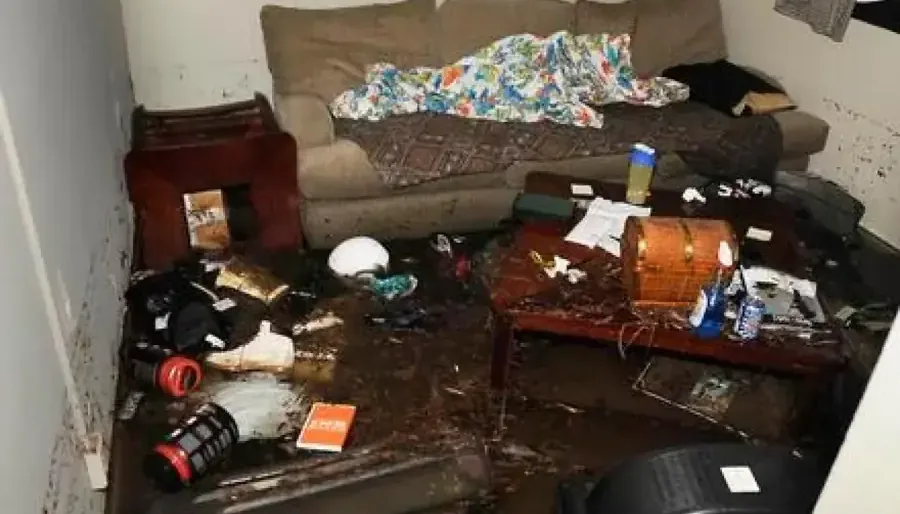
- Document stored belongings before disposal whenever safe access permits.
- Keep damp boxes apart from unaffected contents.
- Retain source-repair and pump-out records with the drying log.
Basement flooding cleanup across Tualatin
Service covers ZIP 97062, including Nyberg Woods, Nyberg Rivers and Bridgeport Village. The restoration team checks the affected building before selecting extraction and drying equipment.
Additional coverage includes Tigard, Lake Oswego, Sherwood, Wilsonville, Oregon City.
Related water damage services in Tualatin
Basement Flooding Cleanup questions in Tualatin, OR
Should a flooded basement be emptied immediately?
Pumping needs a safety assessment, especially where water remains outside the foundation. The crew considers pressure, electrical hazards and structural condition before choosing the removal pace.
Does a wet basement mean the sewer backed up?
No. Supply leaks, rain entry and drain backflow can look similar after water spreads. The source inspection determines the category and directs the repair investigation.
Can damp cardboard boxes stay in the room?
Wet cardboard holds moisture and may spread contamination. The contents team separates salvageable items and documents disposal needs while keeping unaffected belongings on a dry route.
Why open the bottom of a wall?
Water can wick into insulation and hidden framing. Readings, contamination and finish condition determine whether an opening is needed to reach the wet assembly.
Is basement cleanup available on weekends?
24/7 dispatch includes weekend requests. Report water depth, access restrictions and any affected electrical or fuel equipment before the response team plans entry.
When can the lower room be refinished?
Reconstruction follows source correction, any required permits and verified drying. Covering damp framing or floor layers can trap moisture behind new finishes.
A flooded basement needs a safe sequence
Assessment, controlled removal and measured drying keep the cleanup focused on the entire lower-room assembly.