Water Heater Leak Cleanup in Tualatin, OR
The tank-leak cleanup crew extracts escaped water and checks nearby floor layers after the utility source is made safe. Tualatin homeowners can request 24/7 mitigation for wet rooms adjoining a leaking water heater.
(888) 373-8814Dry the area beyond the tank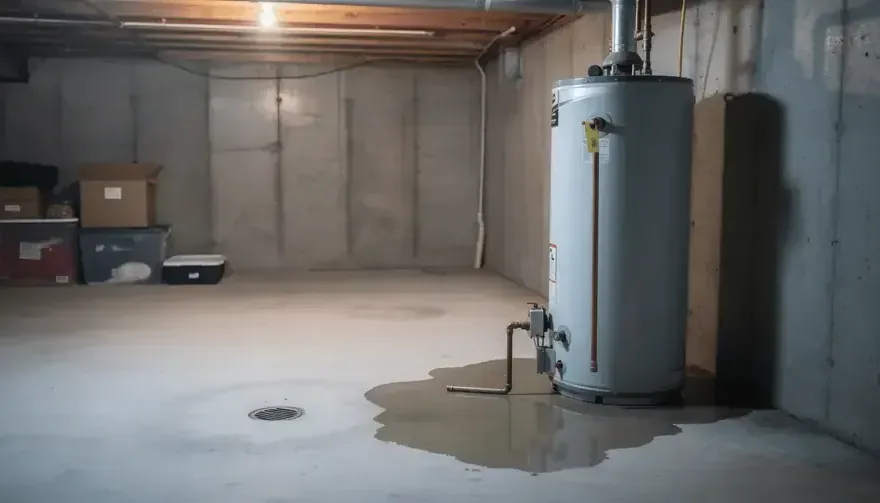
A drain pan or small puddle does not show how far a tank leak has spread. Water may pass beneath a partition or floor covering and reach a room beside the heater. Near Bridgeport Village, Nyberg Woods and Legacy Meridian Park Hospital, the crew asks where the equipment sits and which surfaces became wet. Heater location, fuel type and building layout are checked individually before any removal plan begins.
- The restoration team marks wet boundaries before placing drying equipment.
- Source water, contamination and material condition determine the removal scope.
- Documented material readings, checked against an appropriate dry reference, determine completion.
What does water heater leak cleanup cost in Tualatin, OR?
Water heater leak cleanup in Tualatin commonly costs $800 to $4,500 or more. Nearby finishes, wet floor layers, access around the tank and drying duration affect mitigation pricing. A replacement heater and plumbing work are separate costs.
Confined utility-area water
- Accessible extraction
- Limited affected finishes
- Tank-footprint moisture checks
Water into an adjacent room
- Floor-transition assessment
- Wall-base access
- Multiple equipment positions
Concealed finish damage
- Wet cabinet or wall layers
- Selective material removal
- More drying verification
Ranges are typical, not a quote: category of water, square footage, material class and how fast drying started move the number most. Run the Tualatin water damage cost calculator for a closer range.
How water heater leak cleanup is handled in Tualatin
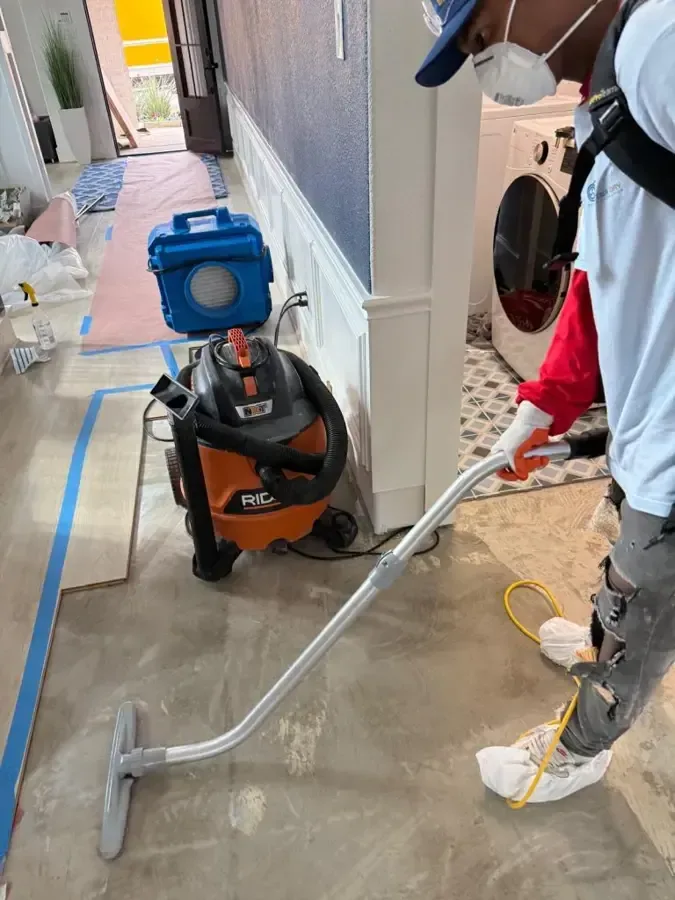
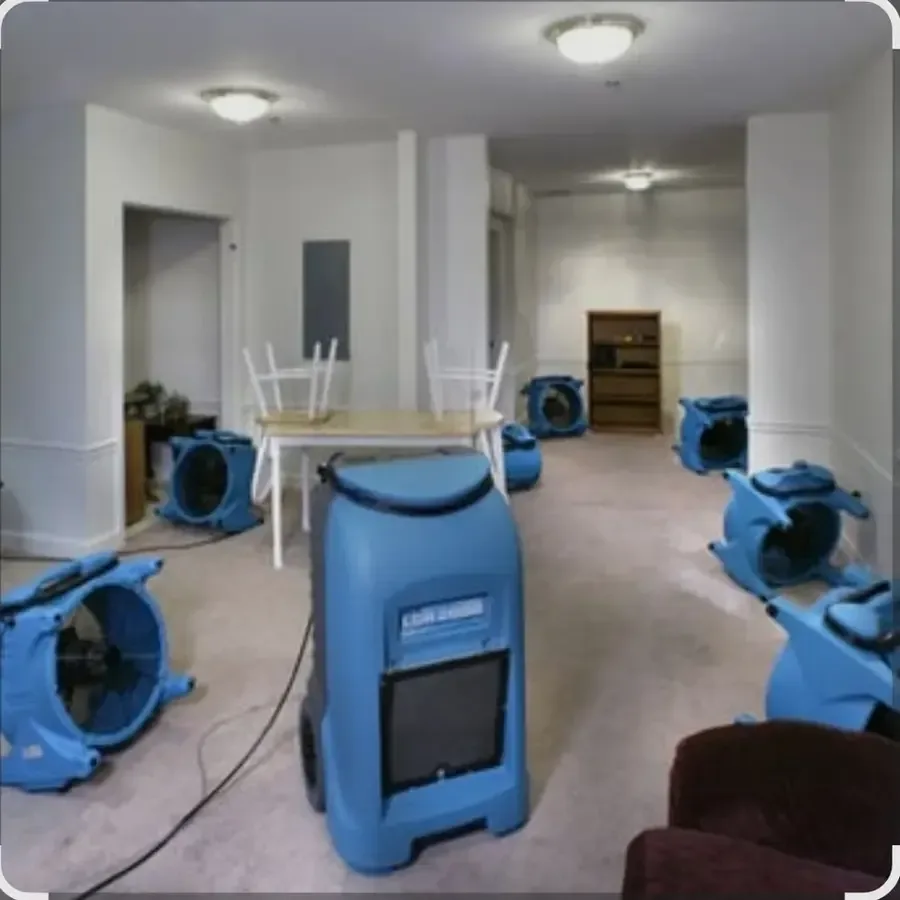
The tech who does the walkthrough maps moisture through the affected assembly and records a dry comparison. The drying team adjusts airflow and humidity control after each inspection, then confirms the material goal before removing equipment.
- 1
Review source isolation
The technician checks utility-safety arrangements and the tank repair status before planning extraction around the equipment.
- 2
Remove surrounding water
The crew clears accessible accumulation and follows the spread across floor transitions into any neighboring rooms or closets.
- 3
Expose retained wet layers
Moisture checks identify affected wall bases and concealed flooring, with access openings used where drying cannot otherwise reach.
- 4
Coordinate the final setup
Drying records and replacement scheduling keep a new heater or finish from covering material that still needs attention.
Make the heater surroundings safe first
Hot water, electricity and fuel connections can complicate a seemingly simple tank leak. The household should keep clear of wet controls and arrange appropriate utility isolation and plumbing assessment. The restoration crew does not treat tank replacement as proof that the surrounding structure is dry. Once safe access exists, extraction can reduce the water held against wall bases and adjoining flooring.
- Do not touch wet controls or stand in water near energized equipment.
- Keep children and pets away from hot discharge or pooled water.
- Record the first wet area and whether water continues to escape.
- Keep the appliance repair scope separate from structural drying work.
Inspect under the floor edge and nearby cabinetry
Water can pass through small gaps and remain beneath a finish even when the exposed concrete or tile looks dry. The technician checks transitions, wall bases and accessible cabinet bottoms. Selective removal may be required to reach saturated material. Equipment placement accounts for the utility room's ventilation, clearances and safe electrical supply rather than crowding machinery around the new tank.
The EPA's leak detection information supports monitoring after plumbing repairs. Flood safety advice explains why standing water around electrical equipment requires caution before cleanup starts.
Document damage before the replacement conceals it
Tank replacement can cover wet areas or make later access difficult. The repair and mitigation teams should coordinate photographs and moisture checks before equipment is set back in place. The drying team then follows retained materials until readings support closure. The project record separates the failed component, extracted water and resulting finish damage so the homeowner can discuss each part with the insurer.
- Photograph the heater surroundings before removal when safe.
- Record wall and floor measurements near the tank footprint.
- Check adjacent rooms before closing the utility-space scope.
Water heater leak cleanup across Tualatin
Service covers ZIP 97062, including Nyberg Woods, Nyberg Rivers and Bridgeport Village. The restoration team checks the affected building before selecting extraction and drying equipment.
Additional coverage includes Tigard, Lake Oswego, Sherwood, Wilsonville, Oregon City.
Related water damage services in Tualatin
Water Heater Leak Cleanup questions in Tualatin, OR
Is the drain pan enough to protect the room?
A pan can overflow, leak or miss water from a connection. The inspection follows the actual spread beyond the pan and into adjacent assemblies.
Can the heater be replaced before drying?
Replacement timing should account for access to wet surfaces and safe utility work. The teams coordinate so the tank does not conceal unassessed moisture.
Why check the hallway when the heater is in another room?
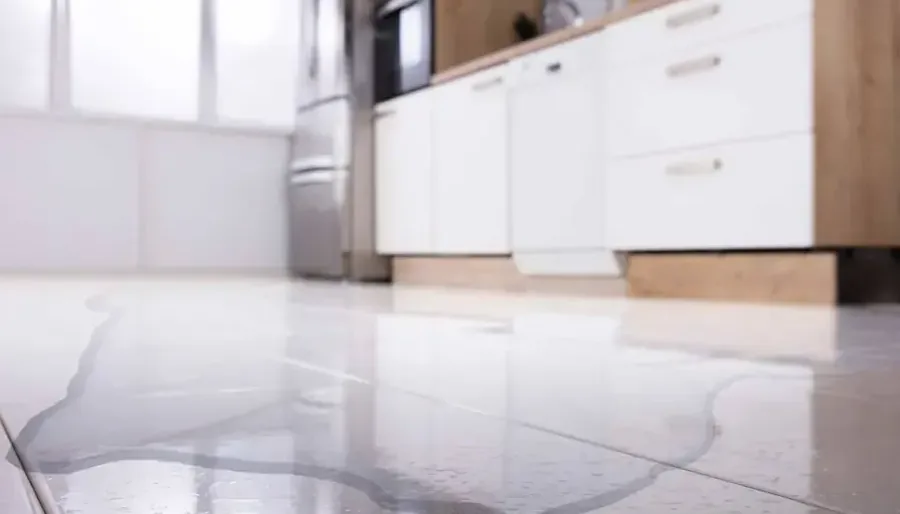
Water can move beneath partitions and along floor layers. The visible utility-room puddle may be smaller than the full affected area.
Does every tank leak require flooring removal?
No. Water category, finish condition and concealed moisture determine the scope. Some materials can be dried in place when access and readings support that choice.
Is tank-leak cleanup available overnight?
24/7 dispatch supports active heater losses. Mention hot water, affected controls and whether the supply is isolated before anyone plans equipment access.
What helps explain this loss to an insurer?
Keep the plumbing diagnosis, photographs around the failed tank, mitigation scope and drying log. The insurer determines coverage for the component and resulting damage.
Make room for drying before replacement closes access
The cleanup team measures the floor and wall assembly around the heater and coordinates the remaining mitigation work.