Roof Leak Water Damage in Tualatin, OR
The interior drying crew follows rainwater from the attic into ceiling and wall assemblies while roof repair addresses the entry point. Tualatin roof-leak damage receives 24/7 dispatch for moisture assessment and controlled interior drying.
(888) 373-8814Follow rainwater into the attic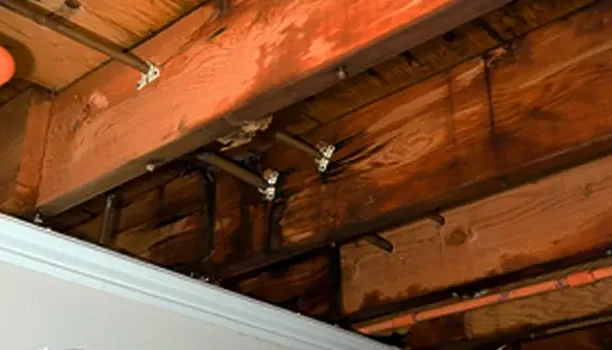
A roof leak can move along a rafter or penetration before showing up at a ceiling edge. The restoration inspection therefore includes the accessible attic route and nearby wall junctions. Nyberg Woods, Jurgens Park and Nyberg Road are useful local reference points when reporting the affected property. The crew assesses the roof type, insulation and interior materials on site rather than assigning a construction pattern to an entire area.
- The restoration team marks wet boundaries before placing drying equipment.
- Source water, contamination and material condition determine the removal scope.
- Documented material readings, checked against an appropriate dry reference, determine completion.
What does roof leak water damage cost in Tualatin, OR?
Roof-leak interior mitigation in Tualatin often ranges from $1,200 to $6,500 or more. Attic access, wet insulation, ceiling removal and the spread through walls determine the scope. Roofing repairs and finish reconstruction are separate estimates.
Limited attic and ceiling area
- Accessible inspection route
- Small insulation loss
- Localized drying setup
Broader overhead spread
- Ceiling and wall checks
- Selective removal
- More equipment access
Several interior assemblies
- Multiple wet rooms
- Restricted attic access
- Extended moisture monitoring
Ranges are typical, not a quote: category of water, square footage, material class and how fast drying started move the number most. Run the Tualatin water damage cost calculator for a closer range.
How roof leak water damage is handled in Tualatin
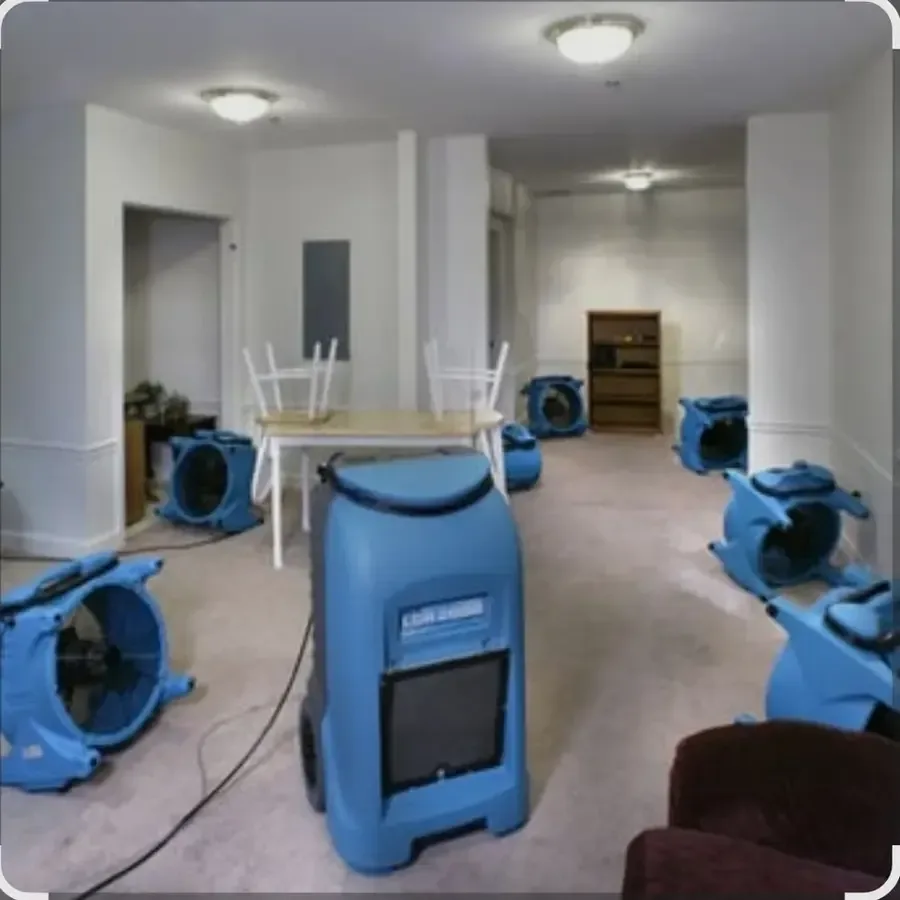
The tech who does the walkthrough maps moisture through the affected assembly and records a dry comparison. The drying team adjusts airflow and humidity control after each inspection, then confirms the material goal before removing equipment.
- 1
Review the rain entry
The technician records the leak timing and coordinates with the roof repair scope before investigating the accessible interior route.
- 2
Map attic and ceiling moisture
Inspection follows framing, insulation and wall junctions to find damp areas beyond the first visible ceiling stain.
- 3
Remove and dry selectively
Unsuitable wet insulation and damaged finishes come out, allowing controlled airflow and dehumidification to reach retained structural materials.
- 4
Confirm closure conditions
Source control and final material readings support the handoff to ceiling, wall and insulation replacement without hiding wet cavities.
Roof protection and interior drying need coordination
A roofing professional identifies the failed covering, flashing or other entry detail and plans safe exterior repair. The mitigation team addresses water inside the structure. Temporary weather protection may keep rain from adding to the loss, but it does not dry insulation or wood that is already wet. The two work scopes should identify their access needs and avoid closing an interior cavity before readings support it.
- Do not climb onto a wet roof to investigate an active leak.
- Stay off ceiling boards when accessing an attic.
- Report water around electrical fixtures or ventilation equipment.
- Photograph interior stains and the timing of rain-related dripping.
Wet attic insulation can conceal the moisture route
Insulation can retain water against framing and hide a path beyond the first stained area. The technician checks accessible surfaces, confirms moisture with meters and identifies any material that cannot remain. Drying equipment then targets the retained assembly. Air movement must account for safe power, dust and the separation between attic spaces and occupied rooms below.
General severe-weather preparation supports safe decisions during ongoing rain. The city's flood hazard permit information is also relevant when reconstruction affects a property subject to floodplain rules, even for some interior alterations.
Check the ceiling before restoring its finish
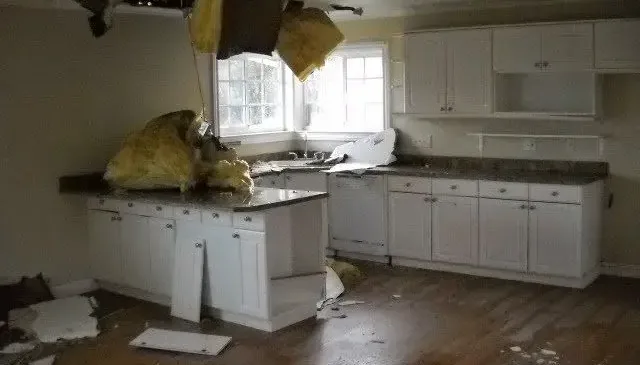
The drying record should show the attic or overhead materials inspected, the wet insulation removed and the readings that support closure. If a room has a bowed ceiling, removal follows an overhead safety plan. Replacing a small visible stain without examining the cavity can leave adjacent moisture untreated. The insurer may distinguish sudden storm damage from other causes, so source-repair findings belong with the mitigation documents.
- Save photographs before insulation or ceiling material is removed.
- Record separate roofing and interior mitigation scopes.
- Confirm retained wood reaches its drying goal before patching.
Roof leak water damage across Tualatin
Service covers ZIP 97062, including Nyberg Woods, Nyberg Rivers and Bridgeport Village. The restoration team checks the affected building before selecting extraction and drying equipment.
Additional coverage includes Tigard, Lake Oswego, Sherwood, Wilsonville, Oregon City.
Related water damage services in Tualatin
Roof Leak Water Damage questions in Tualatin, OR
Does a roof patch finish the water-damage work?
A patch addresses entry. Water already held in insulation, framing or ceiling layers still needs assessment and drying before those areas are closed.
Why is the stain away from the roof opening?
Rainwater can follow framing or other surfaces before it drops onto the ceiling. The visible stain may be only the end of that route.
Can wet attic insulation remain in place?
Condition, contamination and access determine that decision. Saturated or damaged insulation may need removal so retained materials can be inspected and dried.
Should the household enter the attic during a leak?
Avoid unsafe access, exposed wiring and walking on ceiling boards. The assessment needs a secure route and suitable protection around wet or unstable materials.
Can roof-leak mitigation begin during ongoing rain?
24/7 dispatch can coordinate an assessment, but safe entry and source protection govern the work. Continued water entry may limit what drying equipment can accomplish.
What distinguishes this from ceiling-leak service?
Roof-leak work follows rain through the building envelope and attic. A ceiling leak can originate from interior plumbing or an upstairs appliance instead.
Keep the interior scope connected to the roof repair
The mitigation team checks insulation, framing and ceiling cavities so source correction leads into verified drying.