Commercial Water Damage in Tualatin, OR
The commercial mitigation team maps wet building areas, protects dry stock and plans equipment around safe access. Tualatin businesses receive 24/7 dispatch for extraction and documented drying, with occupancy decisions based on the actual conditions.
(888) 373-8814Plan the affected business zones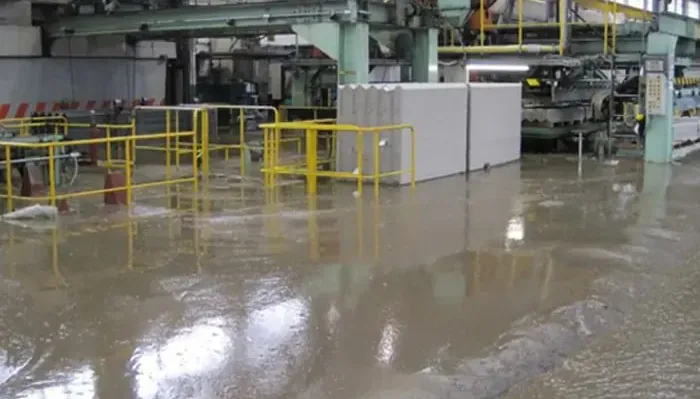
A business loss can involve stock, records, tenant spaces and customer routes at the same time. The restoration team starts with a clear access plan and the identity of the person authorized to approve work. Nyberg Rivers, Nyberg Woods and Bridgeport Village are established retail areas in the city. Their commercial setting makes stock handling and safe circulation useful planning topics, while each affected business still receives its own building and water assessment.
- The restoration team marks wet boundaries before placing drying equipment.
- Source water, contamination and material condition determine the removal scope.
- Documented material readings, checked against an appropriate dry reference, determine completion.
What does commercial water damage cost in Tualatin, OR?
Commercial water mitigation in Tualatin can range from $2,000 to $15,000 or more. Affected area, water category, contents handling, shared-building access and drying equipment determine the scope. Inventory replacement and business interruption require separate evaluation.
Contained business interior
- Accessible extraction zone
- Limited stock movement
- Basic material monitoring
Several work or retail areas
- Multiple wet assemblies
- Coordinated access routes
- Larger drying capacity
Broad or contaminated loss
- More contents documentation
- Containment and removal
- Phased material verification
Ranges are typical, not a quote: category of water, square footage, material class and how fast drying started move the number most. Run the Tualatin water damage cost calculator for a closer range.
How commercial water damage is handled in Tualatin
The tech who does the walkthrough maps moisture through the affected assembly and records a dry comparison. The drying team adjusts airflow and humidity control after each inspection, then confirms the material goal before removing equipment.
- 1
Establish authority and access
The team identifies the business representative, safe routes, utility conditions and any shared-space permissions needed for the assessment.
- 2
Map building and contents impact
Moisture checks and photographs distinguish affected finishes, stock and equipment before extraction or relocation changes the scene.
- 3
Mitigate by practical zones
The crew removes water and unsuitable materials, then places drying equipment within a documented access and contamination-control plan.
- 4
Report readiness clearly
Progress readings identify the status of each affected area so repair and occupancy decisions follow conditions rather than assumptions.
Define the wet work area before moving stock
The technician identifies contamination, utility hazards and structural concerns before separating work zones. A dry corridor may still be unsuitable for normal use if hoses, cords or debris removal cross it. The business representative coordinates access with tenants, staff and the building owner. Continued occupancy is a safety decision, not a promise made from the size of the visible puddle.
- Keep customers and employees away from affected electrical equipment.
- Photograph stock and fixtures before relocating or discarding them.
- Designate a dry staging area outside the debris route.
- Confirm who controls keys, alarms and after-hours building access.
Drying follows the building assembly and operating constraints
Water can pass under partitions and through shared floor or ceiling cavities. The moisture map includes adjacent spaces where access is available, with landlord coordination when needed. Equipment capacity and placement account for safe power, noise-sensitive areas and drainage. The team explains any access opening or material removal before a repair schedule assumes the space is ready.
Business preparedness information helps organize contacts and continuity planning. The city's sanitary and stormwater overview distinguishes two potential water systems; the observed entry source still requires diagnosis at the affected property.
Keep mitigation records useful to the business
The project record identifies affected areas, equipment, removed finishes and the condition of retained materials. Contents lists should distinguish stock, fixtures and building components without mixing their values into the drying scope. Daily progress information helps the owner understand which zones remain restricted. Reconstruction and reopening decisions follow source correction, required approvals and documented material conditions.
- Record the business contact and authorized scope changes.
- Separate equipment damage from building-material damage.
- Preserve the moisture map and final zone status for the insurer.
Commercial water damage across Tualatin
Service covers ZIP 97062, including Nyberg Woods, Nyberg Rivers and Bridgeport Village. The restoration team checks the affected building before selecting extraction and drying equipment.
Additional coverage includes Tigard, Lake Oswego, Sherwood, Wilsonville, Oregon City.
Related water damage services in Tualatin
Commercial Water Damage questions in Tualatin, OR
Can a business stay open during mitigation?
That depends on contamination, utilities, structure and safe access. The assessment determines whether any area can remain occupied without interfering with the work or exposing people to hazards.
Who approves work in a leased space?
The lease and building arrangements matter. The business representative should coordinate with the owner or manager before authorizing openings, shared-area access or changes to building systems.
How should wet inventory be documented?
Photograph it before movement when safe, identify the affected items and keep disposal records. Separate inventory information from the building mitigation estimate for clearer review.
Can water reach another tenant without an obvious puddle?
Yes. Shared cavities and flooring layers can carry moisture beyond a visible room boundary. The team requests adjacent access when the observed route warrants inspection.
Is commercial response available outside opening hours?
24/7 dispatch supports business losses. Provide the authorized contact, building-entry method and any alarm or access restrictions so the response can be coordinated.
What marks the end of the drying phase?
Documented material goals and final readings establish drying status. Repairs, equipment testing and any occupancy approvals may remain separate steps before normal operations resume.
Make the next operating decision from clear records
The commercial team documents water removal, material drying and access restrictions so the business understands what remains before repairs and reopening.