Water Damage Restoration in Tigard
Water spreading beneath a doorway needs attention beyond the visible puddle. Restoration begins with the source, follows moisture into adjoining materials, and sets a practical plan for cleaning and drying the affected rooms.
(888) 373-8814Talk through the wet roomAccess, water condition and affected materials shape the work before equipment is placed.
Make the next action a safe one
- 1
Stay clear of electrical hazards
Standing water around cords, outlets or equipment makes entry unsafe. Electrical isolation belongs with a qualified professional who can assess the affected area.
- 2
Stop an accessible supply
A safely reachable shutoff can limit an indoor release. Reaching across water or underneath a damaged ceiling creates a separate hazard.
- 3
Separate people from wastewater
Close off rooms affected by sewage or outdoor floodwater. Keep children, pets and ordinary foot traffic away from the wet surfaces.
- 4
Record the visible damage
Photographs from a dry position can show the source, water spread and damaged belongings. Keep repair receipts with the loss notes.
- 5
Notify the responsible contact
Renters should alert the property manager promptly. Owners should arrange source repairs and discuss access before cleanup equipment or material removal begins.
Cleanup shaped around the actual water loss
An overflowing appliance, a wet ceiling and exterior floodwater need different decisions. The service descriptions explain what gets checked and which materials may need attention.

Water Extraction and Removal
Remove standing water while checking thresholds, floor edges and hidden pockets that a surface pass can miss.
Water Extraction and Removal details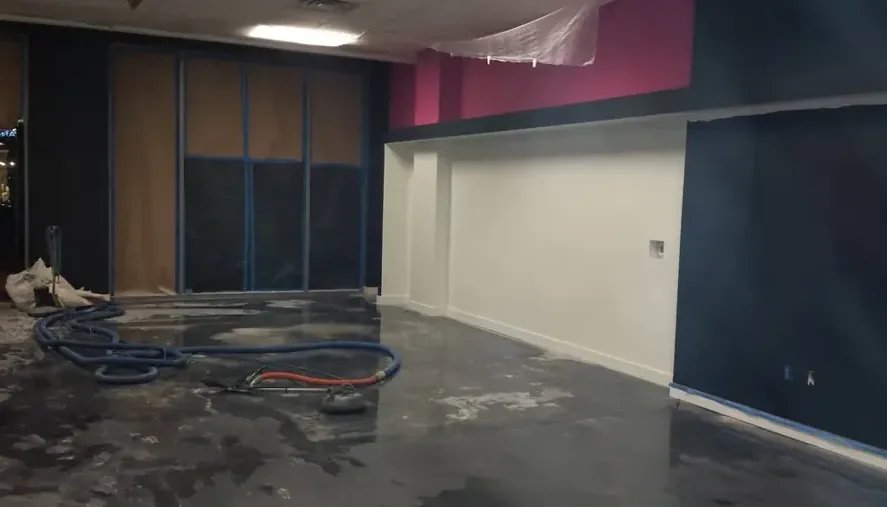
Basement Flooding Cleanup
Evaluate lower rooms for continuing entry, contaminated contents and moisture trapped behind finishes before drying the space.
Basement Flooding Cleanup details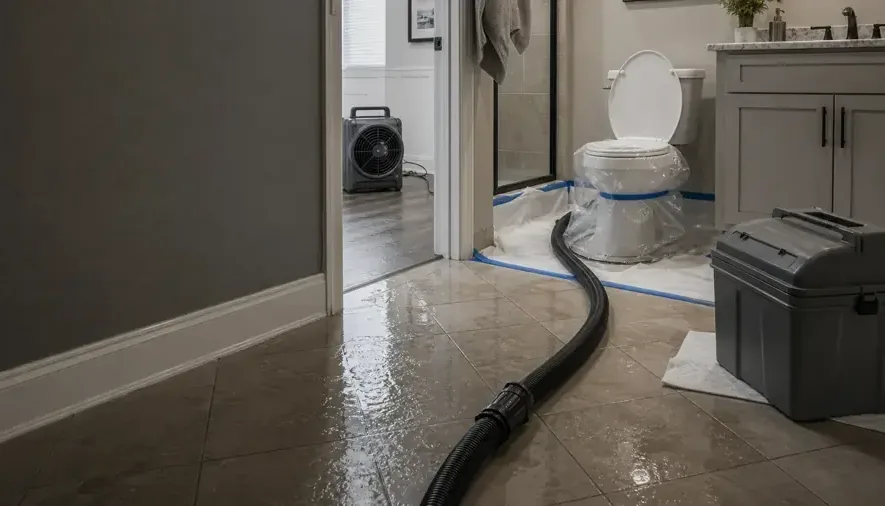
Sewer Backup Cleanup
Restrict wastewater contact, remove affected porous materials where necessary, and clean exposed surfaces after the drain problem is addressed.
Sewer Backup Cleanup details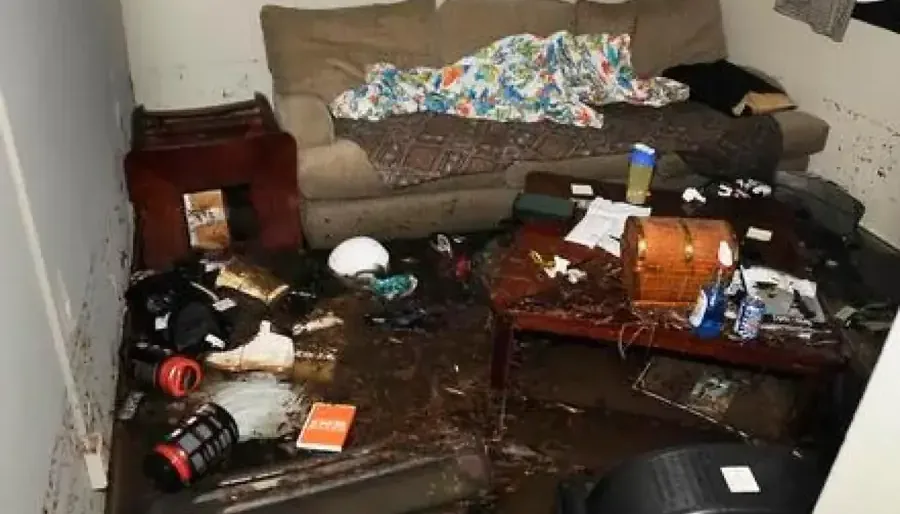
Storm Flood Cleanup
Trace exterior entry and separate sediment removal from drying so storm debris does not remain beneath interior finishes.
Storm Flood Cleanup details
Burst Pipe Water Damage
Follow a pressurized release through adjoining walls and rooms after the damaged supply has been isolated and repaired.
Burst Pipe Water Damage details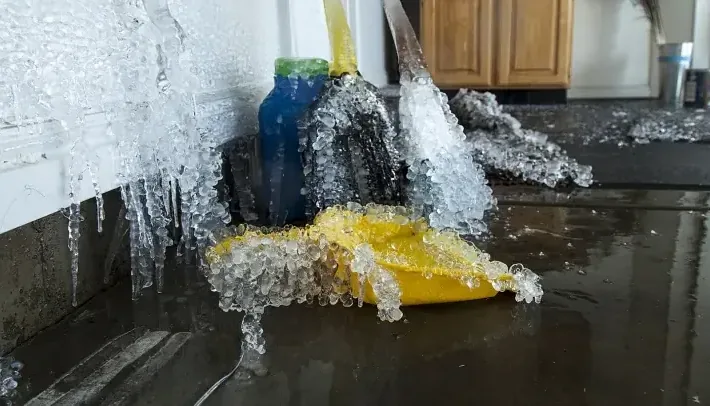
Frozen Pipe Cleanup
Inspect thawed pipe areas for renewed leakage and concealed wet materials before opening the water supply again.
Frozen Pipe Cleanup details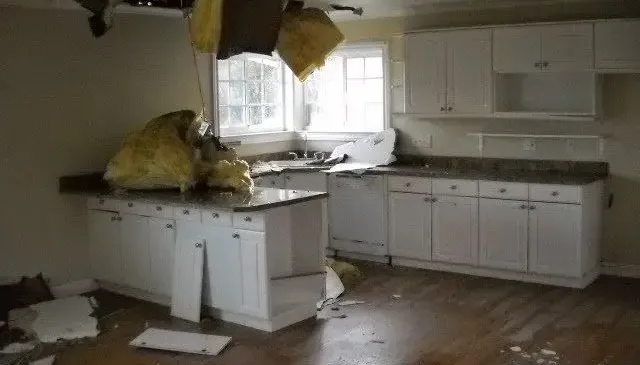
Ceiling Leak Water Damage
Check overhead instability and trace water above the stain before opening a ceiling or arranging finish repairs.
Ceiling Leak Water Damage details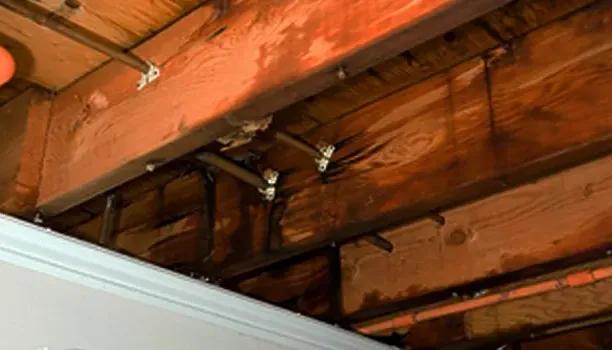
Roof Leak Water Damage
Coordinate roof entry repairs with inspection of insulation, ceiling cavities and interior paths where rain has traveled.
Roof Leak Water Damage details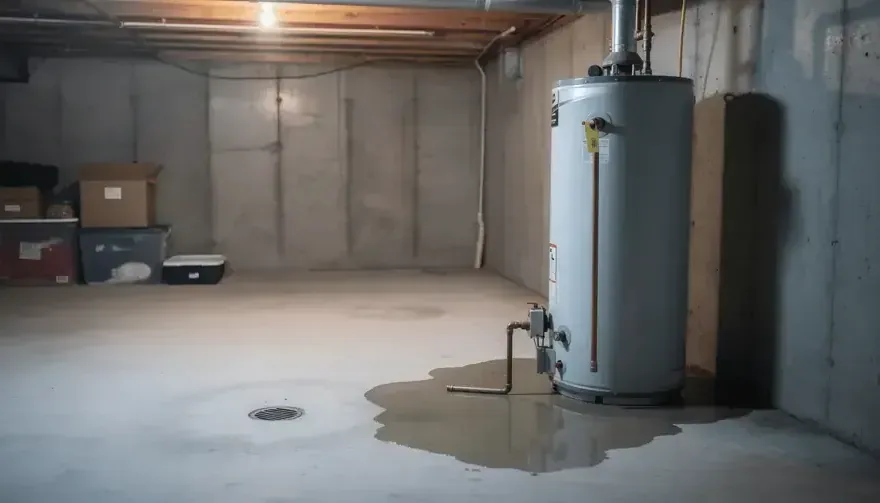
Water Heater Leak Cleanup
Check the tank surroundings and adjacent floor layers after safe equipment isolation, including water beneath stored items.
Water Heater Leak Cleanup details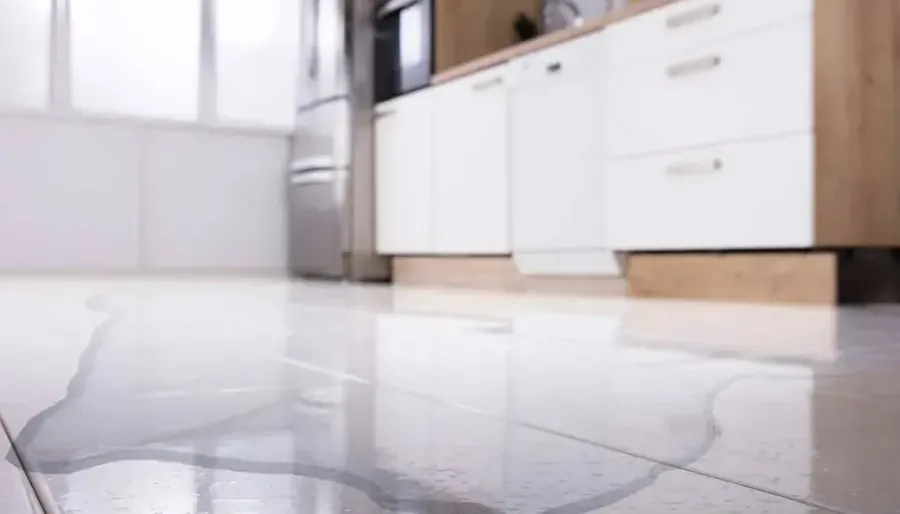
Appliance Leak Water Damage
Reach water beneath dishwashers, washers and cabinets without dragging heavy equipment through a wet or damaged floor.
Appliance Leak Water Damage details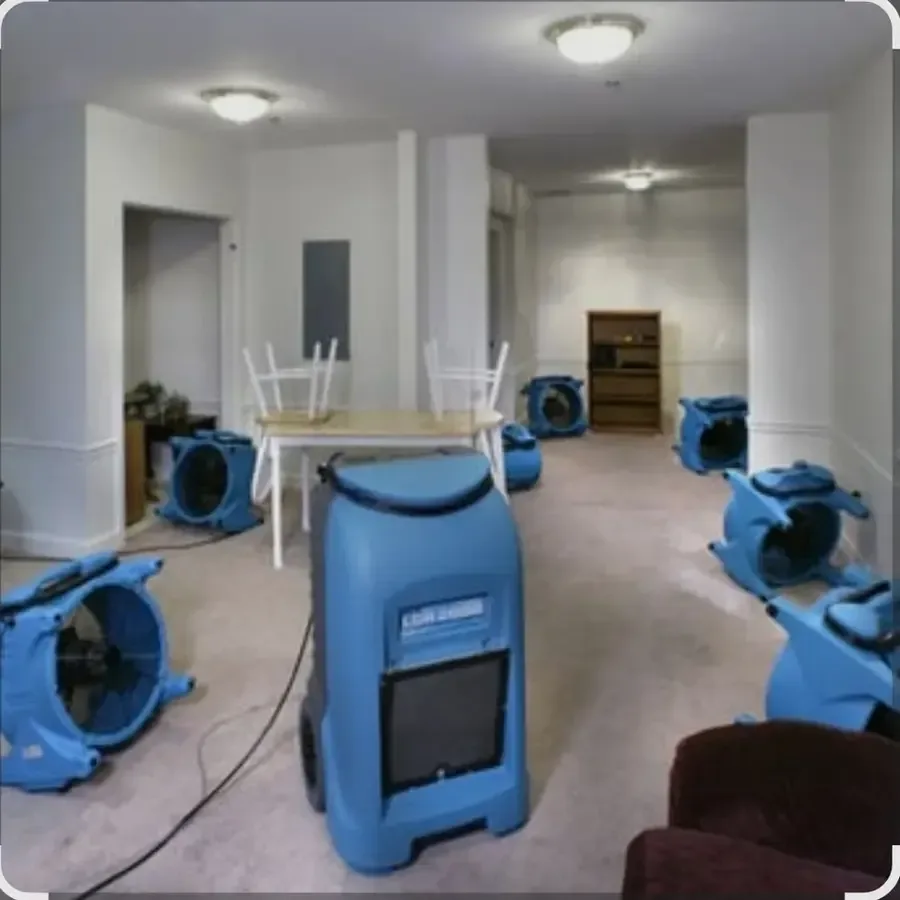
Structural Drying and Dehumidification
Use material readings and controlled airflow to evaluate retained framing, subfloor and finishes after accessible water removal.
Structural Drying and Dehumidification details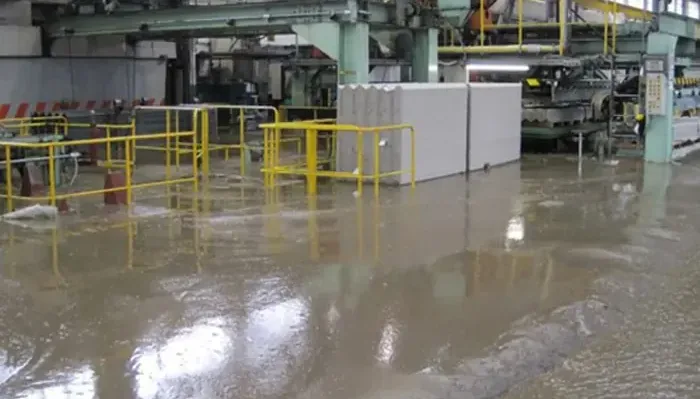
Commercial Water Damage
Organize cleanup around safe access, affected stock and tenant responsibilities while documenting the scope of business interior damage.
Commercial Water Damage detailsThe work follows moisture through the building
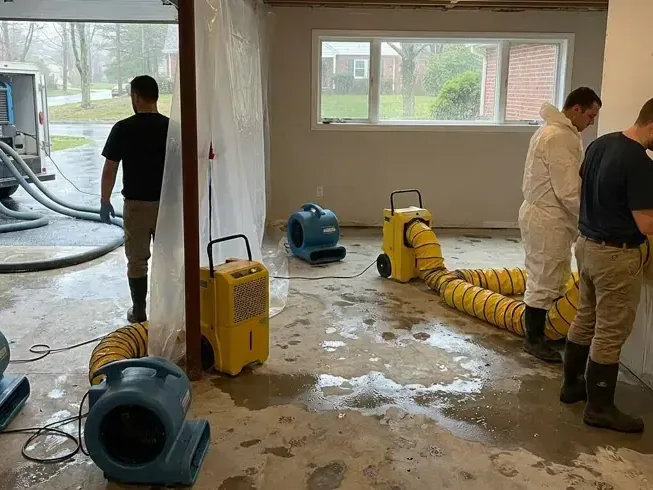
A dry looking surface can hide wet layers beneath it. The restoration plan separates water removal, necessary material removal and drying, then records the condition of retained materials before finish work proceeds.
- 1
Locate the origin
Identify the active source and the rooms connected by wet flooring, wall cavities or openings around plumbing.
- 2
Define the cleanup
Choose extraction and removal methods appropriate to the water condition and the materials that came into contact with it.
- 3
Control the drying
Place equipment around accessible wet assemblies, with safe power and a route that keeps occupants clear of cords.
- 4
Assess the results
Compare repeat readings with the drying target and identify any remaining access, cleaning or repair needs before equipment removal.
What affects water damage cleanup costs in Tigard?
An initial cleanup range depends on how much material is wet, whether water is contaminated and how easily hidden spaces can be reached. A small exposed floor differs from water beneath cabinets or across several rooms. Source repairs may need a separate estimate.
Accessible wet area
- Limited room involvement
- Exposed material access
- Basic extraction and drying
Connected room damage
- Several wet surfaces
- Selective finish removal
- Additional equipment placement
Extensive interior cleanup
- Broader affected footprint
- Complex cleaning needs
- Multiple concealed wet layers
The written scope should distinguish cleanup, drying, disposal and repairs so the property owner can compare estimates for the same work.
Different water paths need different cleanup decisions
Supply pipe release
Pressurized water can enter cavities quickly. Shutoff and plumbing repair come before judging how far the release traveled.
Follow the pipe damageHousehold equipment leak
A wet kitchen or laundry floor can conceal water beneath equipment, cabinets and flooring that remain in place.
Check beneath the applianceWastewater entering a room
Sewage contact requires restricted access and material decisions that differ from a contained clean water spill on washable flooring.
Assess sewage cleanup needs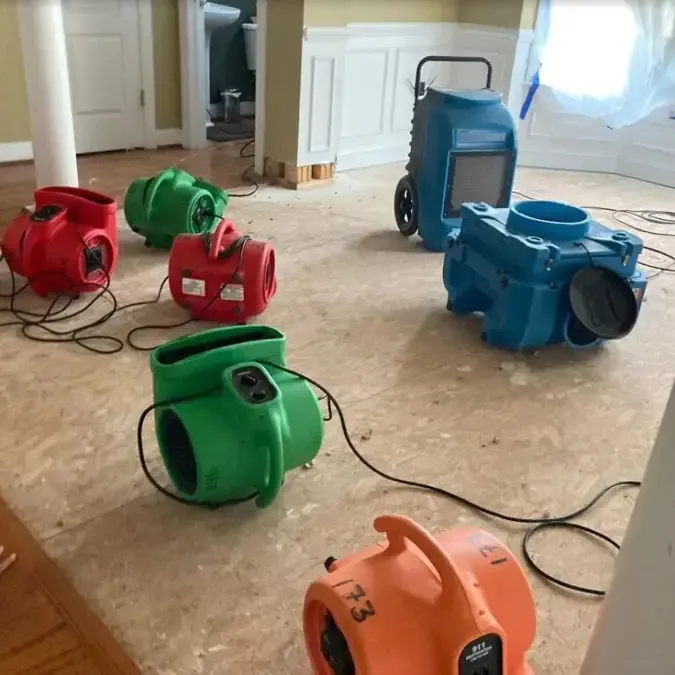
A scope that explains each next step
Useful restoration records connect an action to a condition in the building. That means explaining why material needs removal, where equipment belongs, and what readings will help establish when retained assemblies are ready.
Visible boundaries
An affected area map helps distinguish wet materials from nearby dry finishes and keeps the scope tied to the loss.
Access explained early
Cabinet bases, enclosed walls and occupied rooms need an access plan before removal or equipment placement disrupts the household.
Progress recorded
Repeated measurements show whether the drying arrangement is working or whether an overlooked pocket still needs attention.
Repair handoff
Photos and moisture notes give the next trade a useful record of opened surfaces, retained materials and outstanding source repairs.
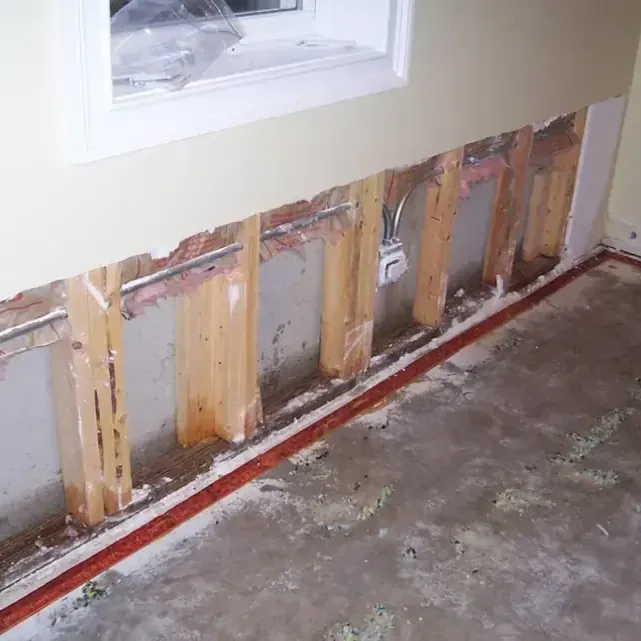
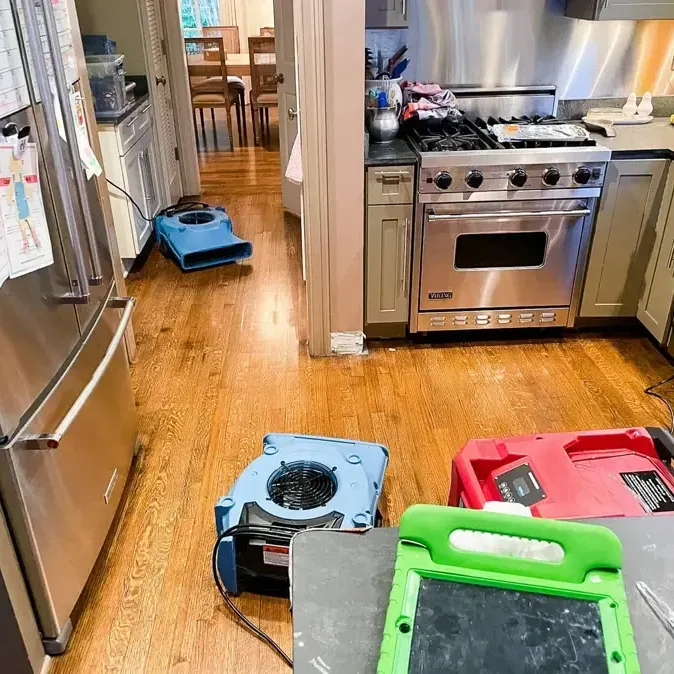
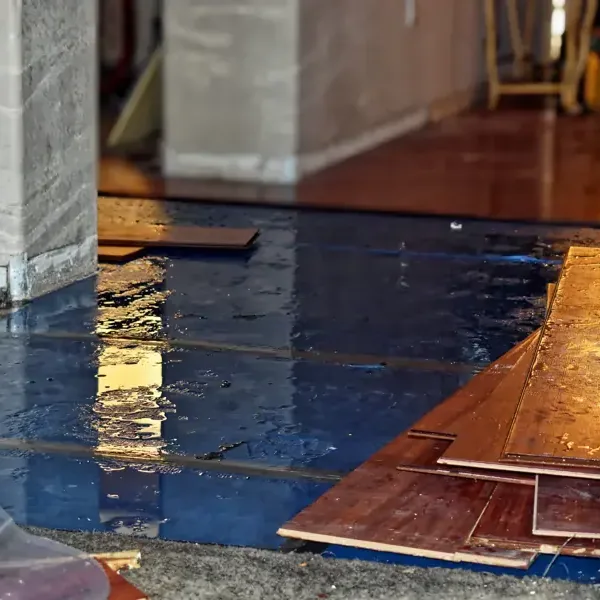
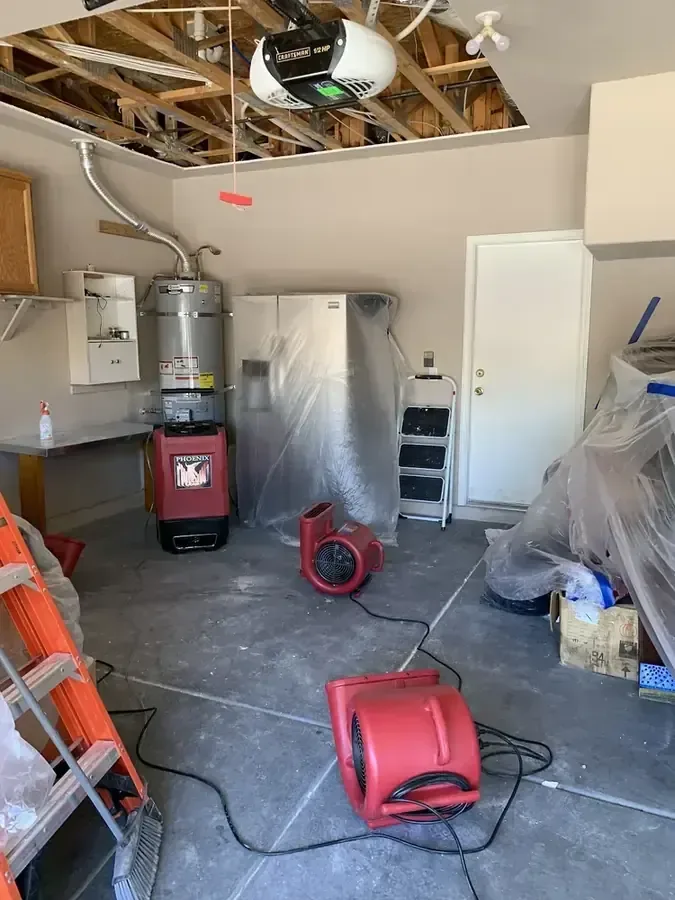
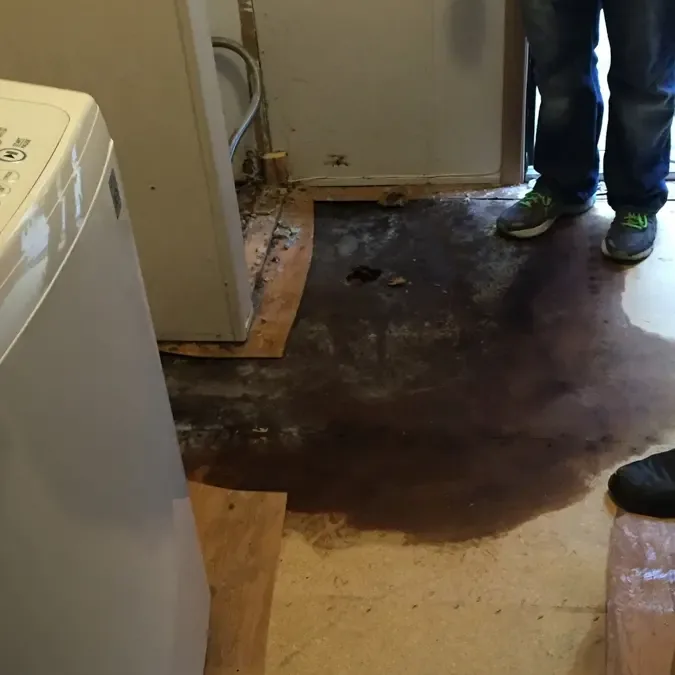
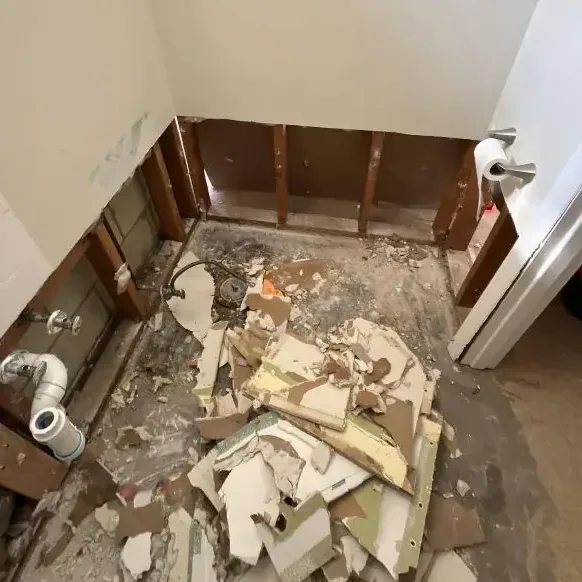
From opened walls to focused interior drying
Documentation helps explain the damage
Coverage depends on the policy and the cause of loss. Clear photographs, repair notes and cleanup records help describe what happened and what work followed.
- Photograph the source area from a safe dry position.
- Record when the wet condition was first noticed.
- Keep damaged item descriptions with any available purchase records.
- Save plumbing or equipment repair findings and related receipts.
- Request the cleanup scope and material moisture records.
When the owner funds cleanup
A written estimate should explain the affected rooms, proposed removals and drying work. Separate optional finish upgrades from the actions needed to address the water loss.
If access reveals more wet material, request an updated scope before the additional work proceeds. Equipment duration should follow material condition rather than a guessed completion date.
Arranging service across Tigard
Useful locations for planning access
Residential ZIP areas
Other service areas
Plan before you call
Drainage context helps frame the inspection
Springs and rainfall feed local creeks, and runoff crosses roofs, streets, lawns and parking lots. An inspection still starts at the building, tracing the actual entry point and affected materials.
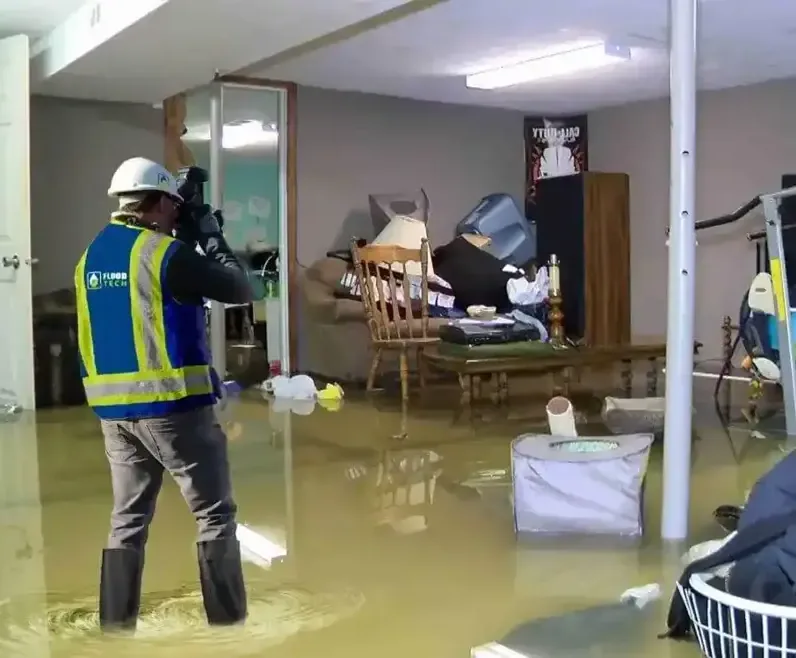
Contaminated water indoors: Standing water surrounds furniture in this room. Runoff can carry sediment and bacteria indoors, so cleanup starts with safe access and assessment of the contacted materials.
- Fanno Creek connections The trail project includes Woodard Park to Grant Avenue. Describe observed exterior water routes when reporting an indoor loss.
- Surface contaminants Runoff can collect contaminants on paved surfaces. Water source and contact conditions help determine which household finishes can be cleaned or retained.
- Water below finishes A dry floor covering can conceal moisture beneath it. Floor edges and adjoining walls deserve attention after accessible water has been extracted.
- Shared property access Both owner occupied and rented homes are part of the city's housing. Prompt contact with the responsible owner helps arrange entry and repair authorization.
- A source that persists A repaired pipe, cleared drain or addressed roof opening changes the drying plan. Repeated entry can keep materials wet despite running equipment.
Questions during a water damage cleanup
Is a small puddle always a small cleanup?
Its visible size can be misleading. Water can spread under a floor covering or cabinet base before appearing in the open. The inspection checks adjoining materials and the source before setting the scope.
Can a renter arrange the first assessment?
A renter can report the damage and describe the conditions, but the property manager should be contacted promptly. Entry into locked spaces, removal of finishes and source repairs may require the owner's authorization.
What information helps during the first call?
The likely source, affected rooms and whether water remains active are useful starting points. Mention standing water near electricity, sagging ceilings or sewage contact so access can be discussed safely before anyone enters.
Does extraction finish the water damage work?
Extraction removes accessible water. Framing, flooring layers and wall cavities may still hold moisture afterward. Material checks establish whether drying, additional access or removal is necessary before finishes can be repaired.
Should wet belongings be moved immediately?
Light items can be moved from a safe dry position if their handling will not spread contamination. Heavy furniture, electrical equipment and items beneath unstable ceilings should remain until safe access is established.
Does living near a creek change the inspection?
The actual route into the building matters most. An inspection considers observed runoff, openings and wet materials rather than assigning a cause from the property's location. Photographs of exterior entry can help explain the loss.
When can flooring or drywall be replaced?
Replacement follows source control and assessment of the exposed assembly. Retained materials need suitable moisture conditions, and any contaminated surfaces need the appropriate cleaning or removal before new finishes cover them.
Are plumbing repairs included in cleanup pricing?
The estimate should say whether source repairs are included or handled separately. Plumbing work and moisture restoration solve different parts of the problem, so both scopes should be clear before work proceeds.
How are drying decisions documented?
A useful record includes the affected locations, material readings and equipment changes. Comparing readings over time helps explain why drying continues, why access changes, or why a particular area is ready for repair.
Start with the source and the wet materials
A clear description of the damage helps organize safe access, needed source repairs and a cleanup scope that follows water through the property.