Water Damage Restoration in Sherwood
A wet room needs a clear starting point. Sherwood property owners can arrange water removal, contamination assessment and drying that follows moisture through flooring, wall cavities and adjoining spaces.
(888) 373-8814Start with the wettest roomCleanup planning starts with safe access, the water source and affected building materials.
Reduce exposure while the damage is assessed
- 1
Stop a controllable release
A reachable fixture valve may stop clean supply water. An inaccessible valve or submerged electrical equipment calls for qualified help from a safe location.
- 2
Leave unstable rooms empty
Ceiling sagging, loose wall finishes and water around energized appliances change access decisions. Keep occupants and pets outside those spaces until assessed.
- 3
Separate wastewater from traffic
A backing drain needs isolation. Walking through contaminated water can transfer residue to clean rooms and complicate both cleaning and contents decisions.
- 4
Record the first observations
Photographs from dry ground can show the initial water depth, damaged belongings and visible source. Retain repair receipts with those observations for later assessment.
- 5
Arrange access for assessment
Identify entry restrictions, locked rooms and any tenant contact before the visit. Reliable access helps the assessment follow moisture beyond the first visible puddle.
Different water losses need different cleanup decisions
The visible symptom can point toward the next inspection. Each service explains the materials, safety concerns and restoration decisions associated with a particular water problem.

Water Extraction and Removal
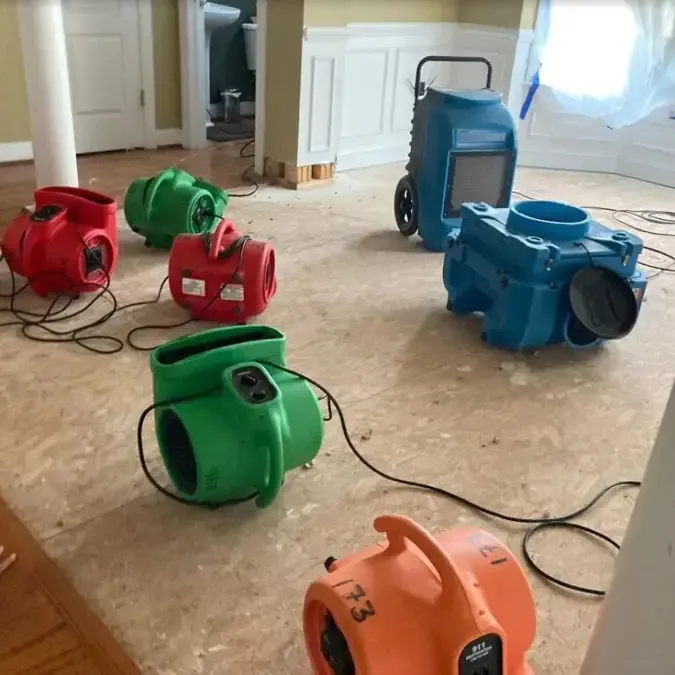
Standing water removal reaches floor edges and absorbent coverings before moisture testing identifies what still needs controlled drying.
Water Extraction and Removal details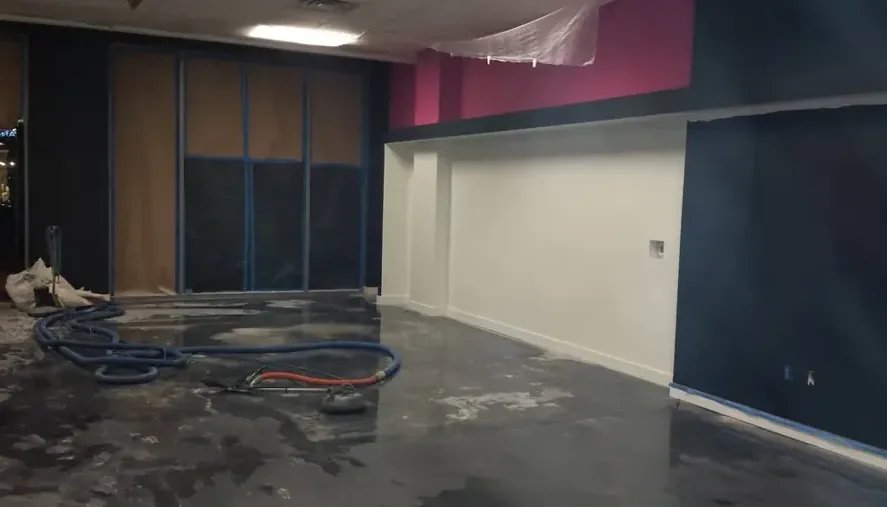
Basement Flooding Cleanup
A flooded lower room needs safe electrical access, careful removal and inspection of concealed finishes beside the slab.
Basement Flooding Cleanup details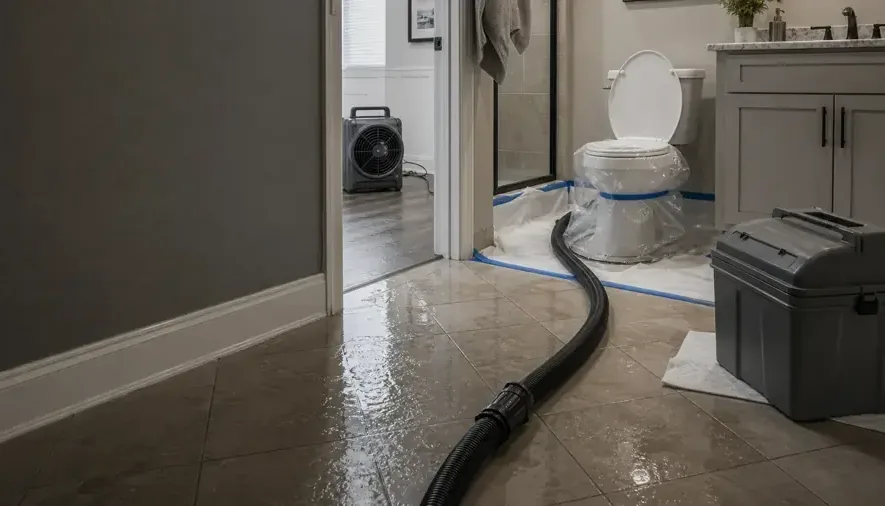
Sewer Backup Cleanup
Wastewater cleanup separates contaminated belongings from salvageable surfaces and coordinates with the plumber addressing the blocked drainage system.
Sewer Backup Cleanup details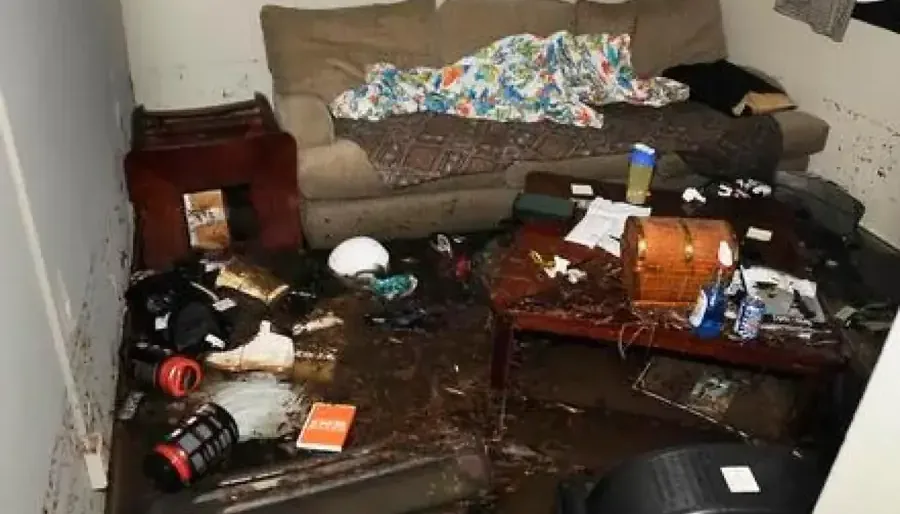
Storm Flood Cleanup
Outside water can carry sediment indoors, leaving a cleaning problem beneath furniture and flooring after the puddles disappear.
Storm Flood Cleanup details
Burst Pipe Water Damage
A stopped supply leak can leave soaked cavities and adjoining rooms that require a wider assessment than the break.
Burst Pipe Water Damage details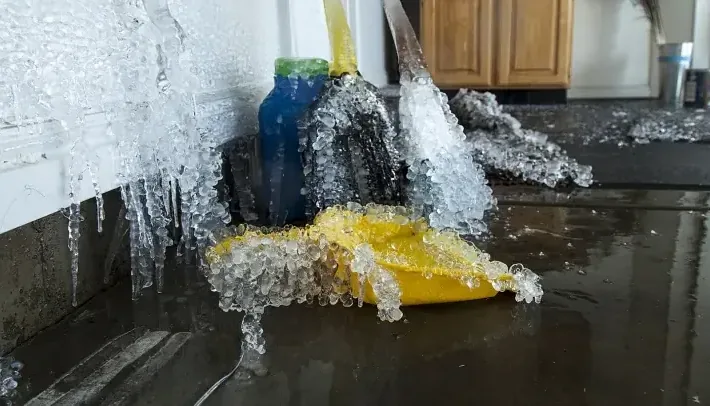
Frozen Pipe Cleanup
Thawing can expose a split pipe and hidden wet insulation, making source repair and moisture tracing separate essential tasks.
Frozen Pipe Cleanup details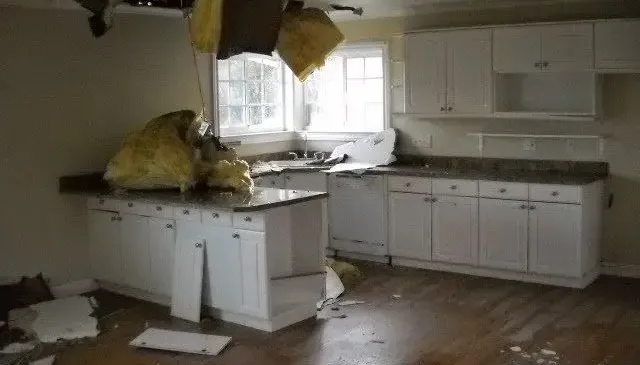
Ceiling Leak Water Damage
A ceiling stain deserves investigation above the paint, especially where soaked insulation or loose board could affect safe occupancy.
Ceiling Leak Water Damage details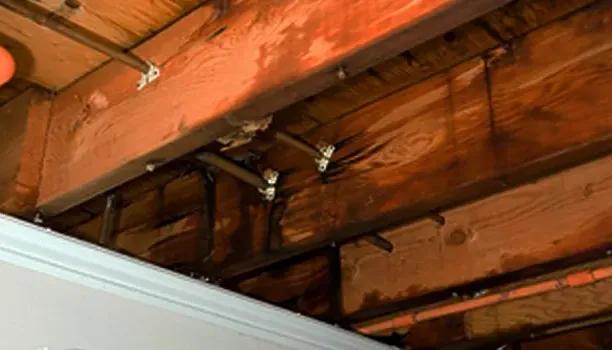
Roof Leak Water Damage
Rain entering overhead needs roof repair coordination alongside interior drying of rafters, insulation and finishes below the entry point.
Roof Leak Water Damage details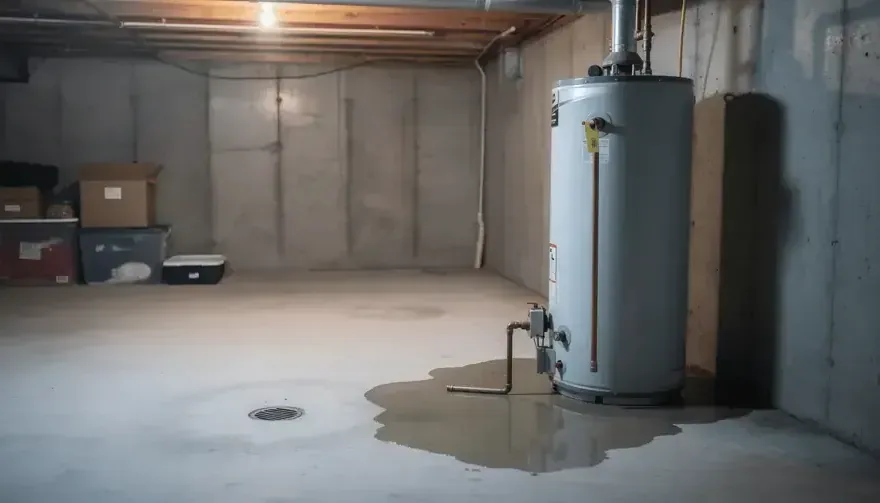
Water Heater Leak Cleanup
Water beneath a tank may reach nearby walls and storage, while hot water and appliance energy require extra care.
Water Heater Leak Cleanup details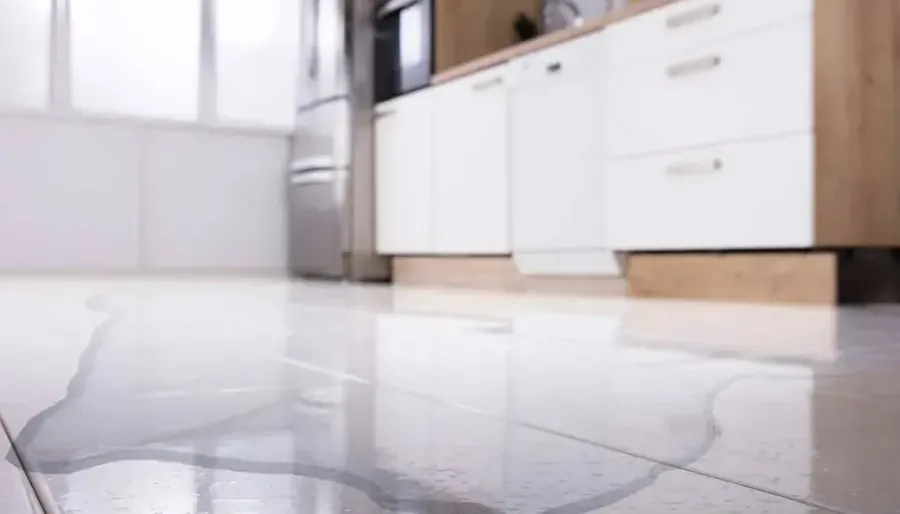
Appliance Leak Water Damage
Kitchen and laundry leaks often hide beneath equipment, cabinet bases and layered flooring after exposed surfaces have been wiped.
Appliance Leak Water Damage details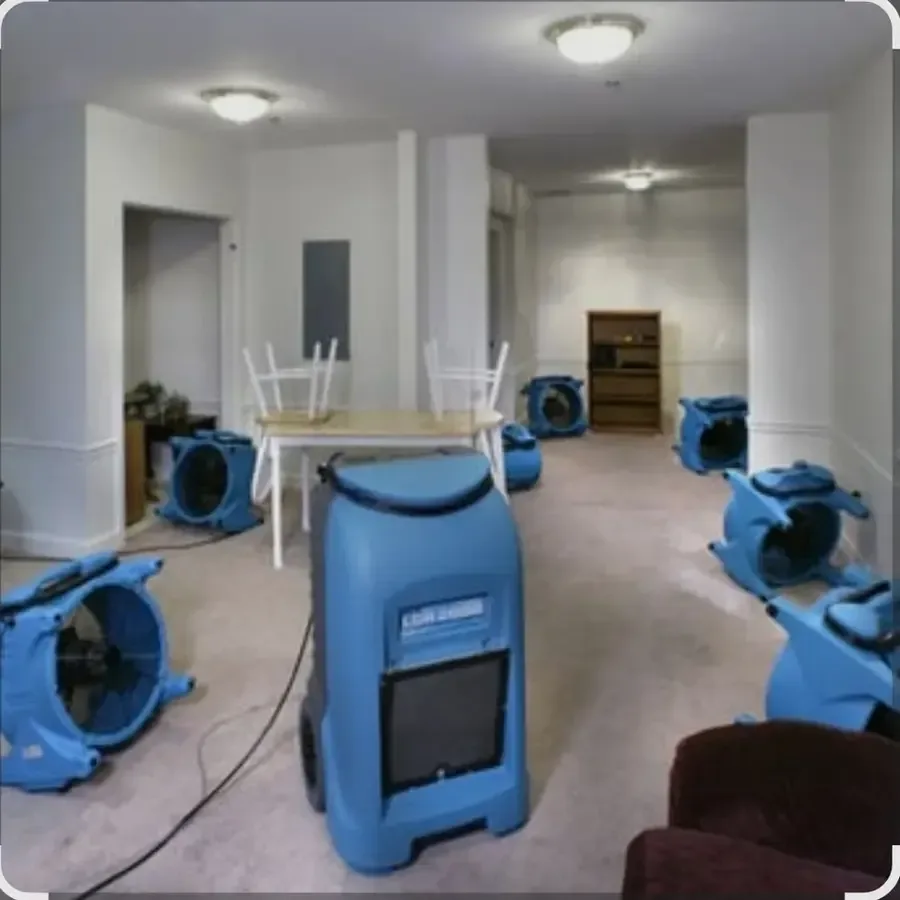
Structural Drying and Dehumidification
Recorded material readings help determine whether retained framing and subfloors are ready for enclosure after extraction has ended.
Structural Drying and Dehumidification details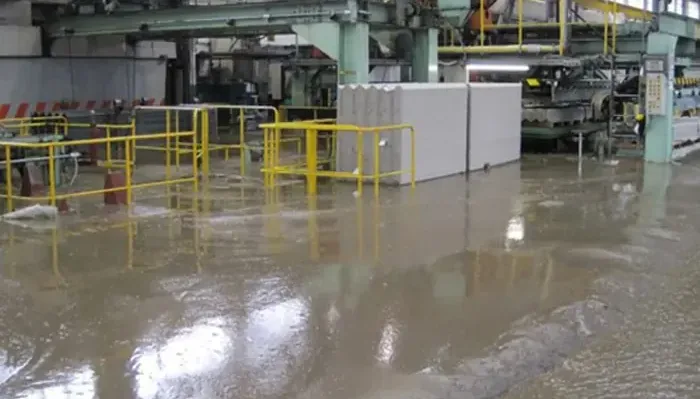
Commercial Water Damage
Business cleanup planning accounts for stock, tenant communication, occupied areas and safe access around extraction equipment and drying zones.
Commercial Water Damage detailsFollow moisture from discovery to repair handoff
The restoration scope should explain what is wet, what can remain and what needs removal. Visible puddles start the water extraction assessment; material measurements establish the extent of work and support the repair handoff.
- 1
Locate the path
Inspect adjoining surfaces and spaces below the leak, recording where water traveled before selecting removal and drying methods.
- 2
Set the boundaries
Separate affected rooms from clean circulation areas and identify contents that can be protected before equipment is positioned.
- 3
Check retained materials
Track moisture in framing, floor layers and accessible cavities as the drying setup responds to changing site conditions.
- 4
Explain the endpoint
Record remaining repair needs and final assessment findings so replacement finishes follow an understood, documented condition of the structure.
What shapes water damage costs in Sherwood?
Initial cleanup allowances depend on the amount of water, affected materials and access. A small clean supply leak differs from wastewater across finished rooms. The assessment should separate extraction, removal, drying and reconstruction so the property owner can compare a clear scope.
Contained interior loss
- Accessible wet surfaces
- Limited contents movement
- Focused drying setup
Connected room damage
- Several affected finishes
- Additional moisture checks
- Broader equipment placement
Extensive cleanup needs
- Multiple wet assemblies
- Contamination handling needs
- More involved material removal
These are planning ranges for cleanup. Actual conditions, source repair and reconstruction can change the estimate after the rooms have been inspected.
Supply leaks and wastewater need different treatment
Fresh supply escape
A pipe release starts with isolation and rapid removal, followed by evaluation of contact time and affected materials.
Trace the pipe releaseAppliance discharge or seepage
Water behind equipment may include residues and reach surfaces hidden underneath cabinets before discovery during ordinary household use.
Inspect appliance surroundingsSewage in occupied space
A drain backup requires restricted access, removal decisions and cleaning methods suited to contaminated building surfaces and belongings.
Plan wastewater isolation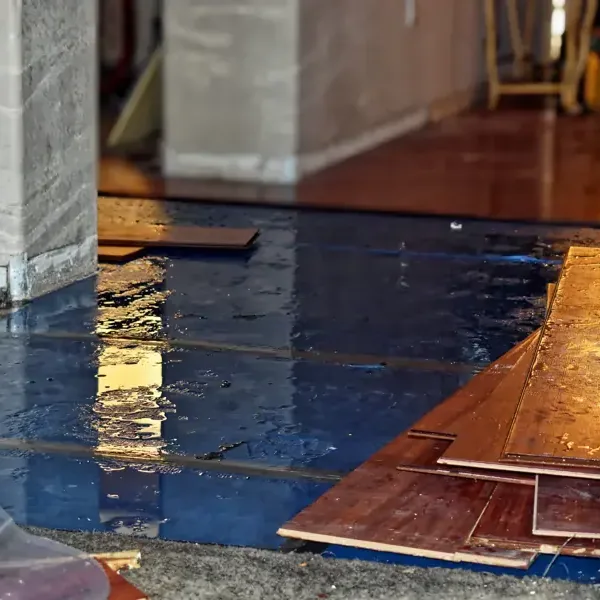
Clear explanations for each affected room
An effective estimate connects the proposed work to visible damage and moisture findings. Owners and tenants need practical explanations about room access, contents handling and the conditions that must be met before repairs begin.
Room level findings
The scope identifies affected surfaces individually so an estimate can distinguish a soaked floor from a merely exposed room.
Source repair coordination
A plumber or roofer may address the origin while restoration work handles water already inside the structure and finishes.
Occupied property planning
Equipment placement should account for normal circulation, sleeping arrangements and the ability to keep people away from restricted rooms.
Documented remaining work
Drying completion and finish replacement are separate decisions. A repair handoff should identify removed materials and surfaces awaiting restoration.
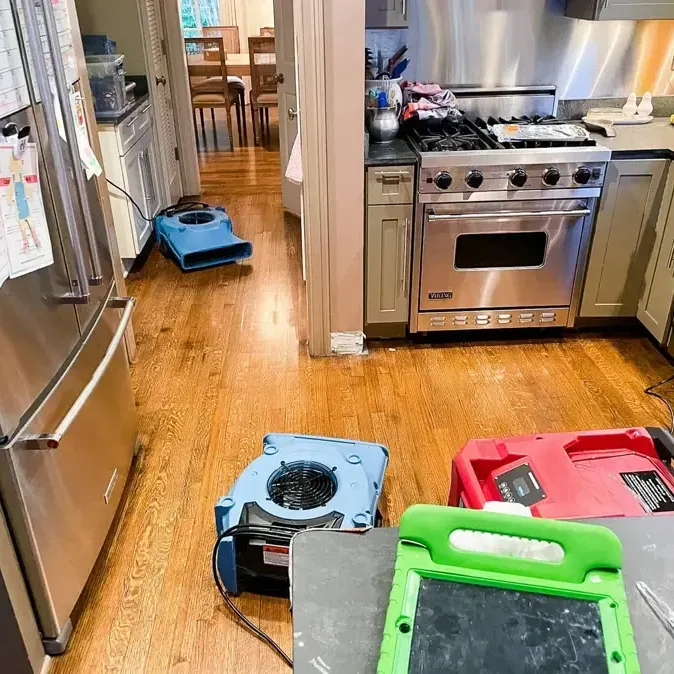
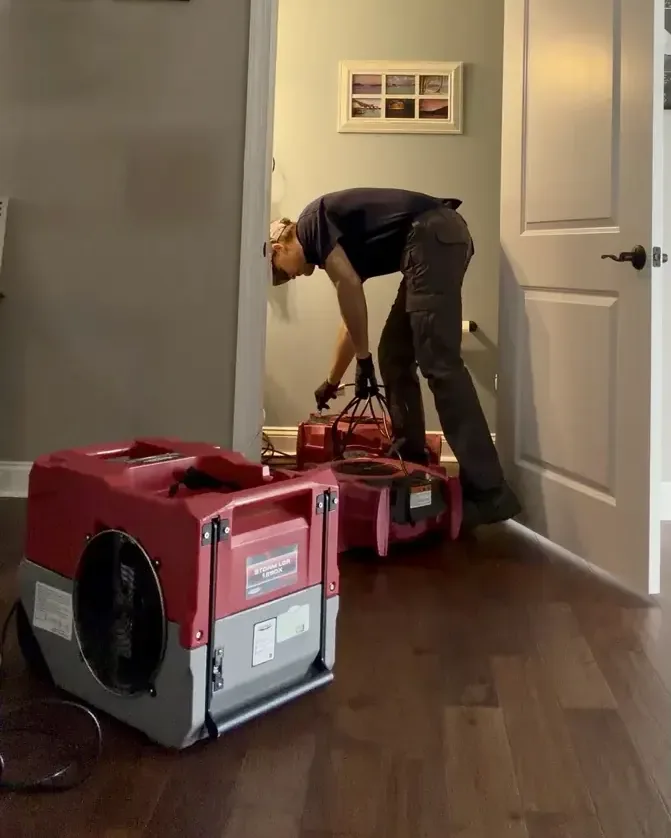
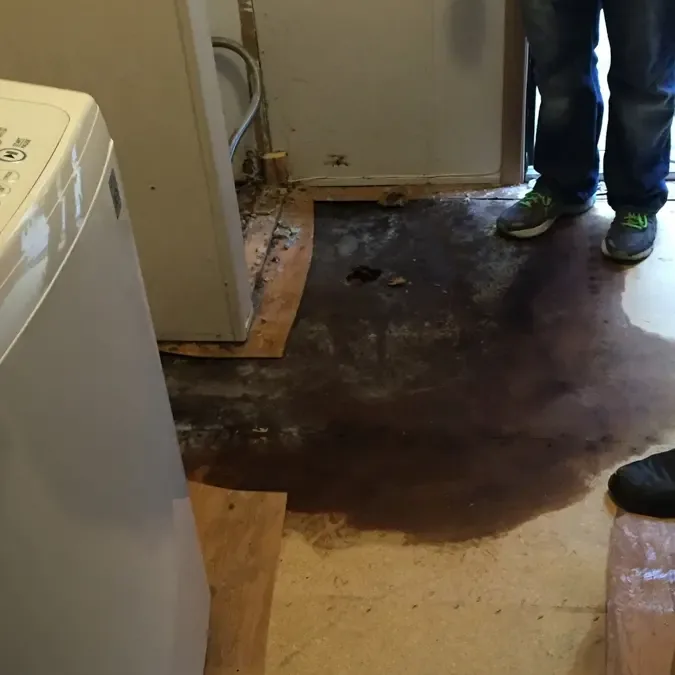
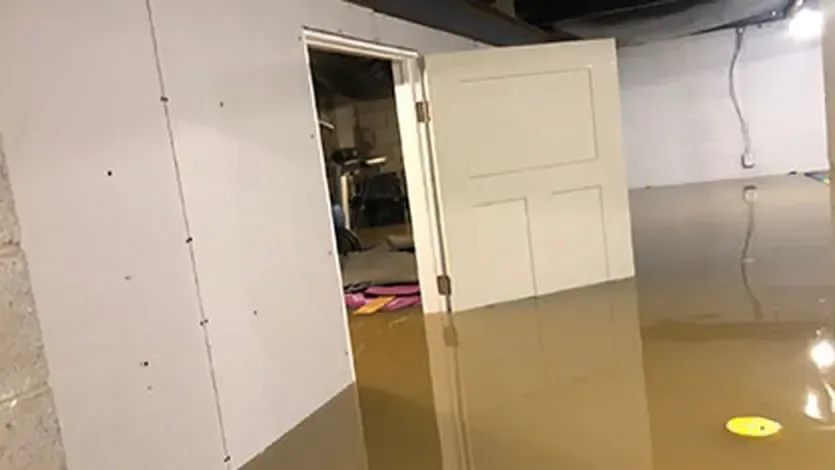
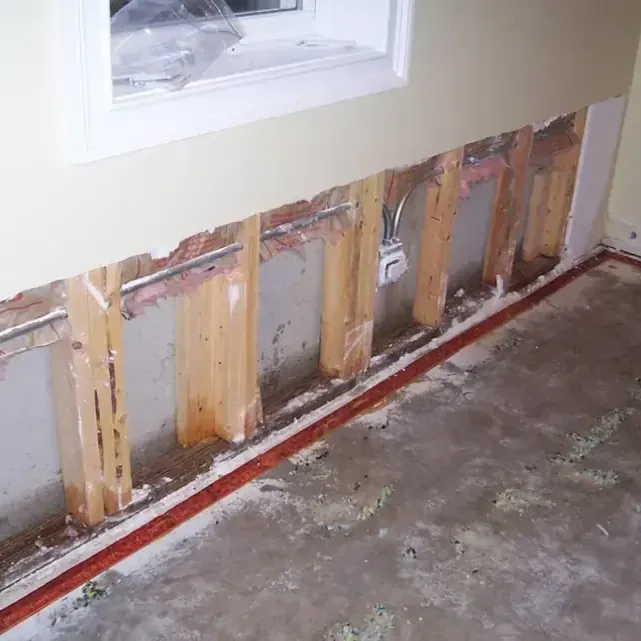
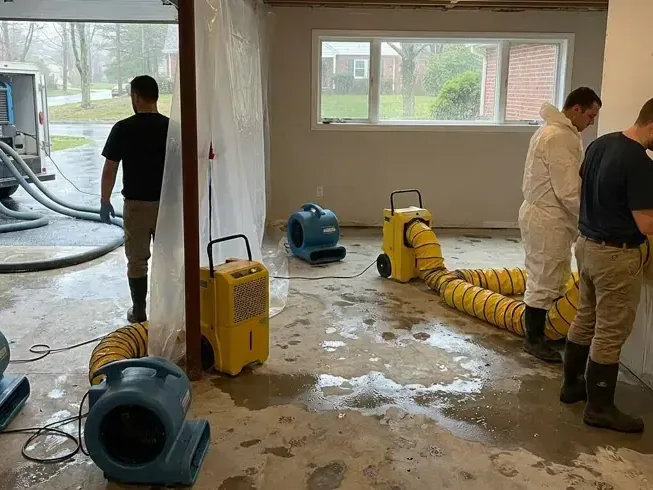
Surfaces and equipment involved in interior recovery
Keep cause and cleanup documentation together
A useful claim file connects the first observation, source repair and restoration work. The policy and insurer determine coverage; the cleanup record documents conditions and actions.
- Photograph affected rooms before belongings are moved or discarded.
- Save the plumber's diagnosis and source repair documentation together.
- Keep estimates separated by cleanup and later reconstruction tasks.
- List damaged contents with descriptions and available purchase records.
- Retain moisture reports alongside invoices and communication about access.
When payment stays with the owner
An owner paying directly still benefits from a written scope that separates urgent water removal from later finish replacement and identifies the reasons for any proposed material removal.
Questions about equipment placement, inspection access and changing conditions belong in the estimate discussion. A clear sequence helps prioritize work without leaving concealed moisture behind finished surfaces.
Arrange inspection across the community
Places used for access planning
Local ZIP
Other service areas
Plan before you call
City programs highlight practical water precautions
Sherwood pairs seasonal leaf collection with winter pipe advice. Exterior drainage precautions and indoor shutoff planning address different routes into a building, so both deserve attention before water reaches finished rooms.
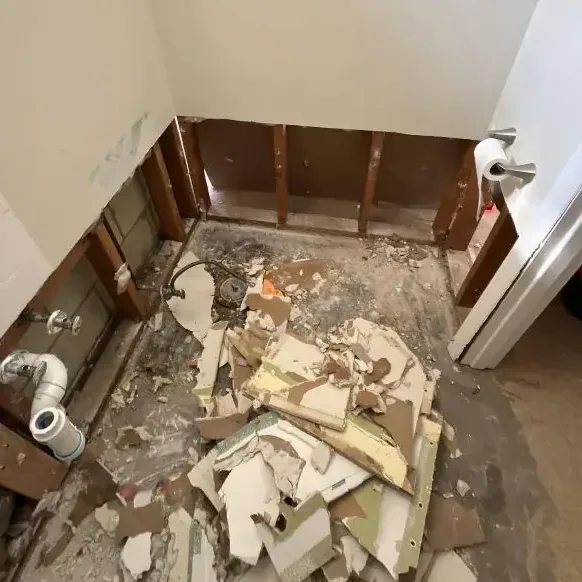
Access behind wet finishes: Lower wall openings expose the framing around this bathroom. Removal creates access to concealed surfaces; debris clearance and moisture checks determine the next stage of cleaning and drying.
- Leaf accumulation Storm drain openings can collect leaves. Exterior drainage concerns should be reported while indoor cleanup focuses on water already beneath furnishings and finishes.
- Cold exposed piping City advice includes insulation for pipes in unheated garages, crawl spaces and attics, plus draining irrigation systems and backflow assemblies during cold weather.
- Water beneath flooring A smooth floor surface can hide wet underlayment. Testing along seams and edges helps determine whether extraction has reached the affected layers.
- Drain contamination Wastewater reaching a room changes handling requirements. Access restrictions and contents separation belong at the beginning of the cleanup assessment.
- Overhead saturation A dark ceiling patch can accompany wet insulation. Sagging or falling material requires an empty room and qualified assessment from a safe position.
Questions before water damage cleanup
What should happen when a pipe breaks?
City advice calls for shutting off water and the water heater's circuit breaker or gas. If reaching either control involves standing water or another hazard, qualified assistance should handle isolation before cleanup proceeds.
Is there a local source of sandbags?
Sherwood Public Works provides self serve sandbags during flooding. Sandbags address exterior entry precautions; soaked indoor materials still need inspection, extraction and a drying plan after access becomes safe for restoration work.
Does a dry looking floor mean cleanup is complete?
Subfloor layers and nearby wall bases need moisture assessment after the exposed floor clears. Measurements at affected and comparison locations help determine whether retained materials require further drying before repair work begins.
Can belongings stay inside the affected room?
That depends on contamination, access and the materials involved. Movable items may be protected in a dry area, while saturated porous belongings need separate assessment before cleaning, storage or disposal decisions are made.
How is a sewer backup handled differently?
Sewage requires controlled access and cleaning appropriate to contamination. A plumber investigates drainage failure while restoration work evaluates exposed finishes and contents, removes unsuitable materials and prepares clean retained surfaces for drying.
What information helps a rental property assessment?
The tenant's first observations, owner authorization and access arrangements help establish the work area. Written communication should identify restricted rooms, entry permissions and the person responsible for coordinating source repair and finish replacement.
Can a ceiling be painted after a leak stops?
Paint should follow source correction and assessment of the ceiling assembly. Wet insulation or damaged board may need removal, and retained components need an appropriate drying endpoint before new finishes conceal the cavity.
Are there separate costs for fixing the leak?
Source repairs and interior restoration often involve different scopes. The estimate should identify which extraction, cleaning and drying tasks are included and which plumbing, roofing or reconstruction work requires another arrangement.
What record helps when the cleanup is finished?
A useful handoff includes affected room descriptions, removed materials, moisture observations and outstanding repairs. Those records help owners discuss reconstruction and support communication with an insurer without promising a particular coverage decision.
Give the wet rooms a clear next step
Water removal, cleaning and drying should follow the damage through the building. Arrange an assessment that connects the visible problem to a practical restoration scope.