Structural Drying and Dehumidification in Tualatin, OR
The drying team balances airflow, temperature and dehumidification around the materials that remain wet after extraction. Tualatin structural drying includes 24/7 dispatch and repeat readings so the repair handoff follows measured conditions.
(888) 373-8814Build a measured drying plan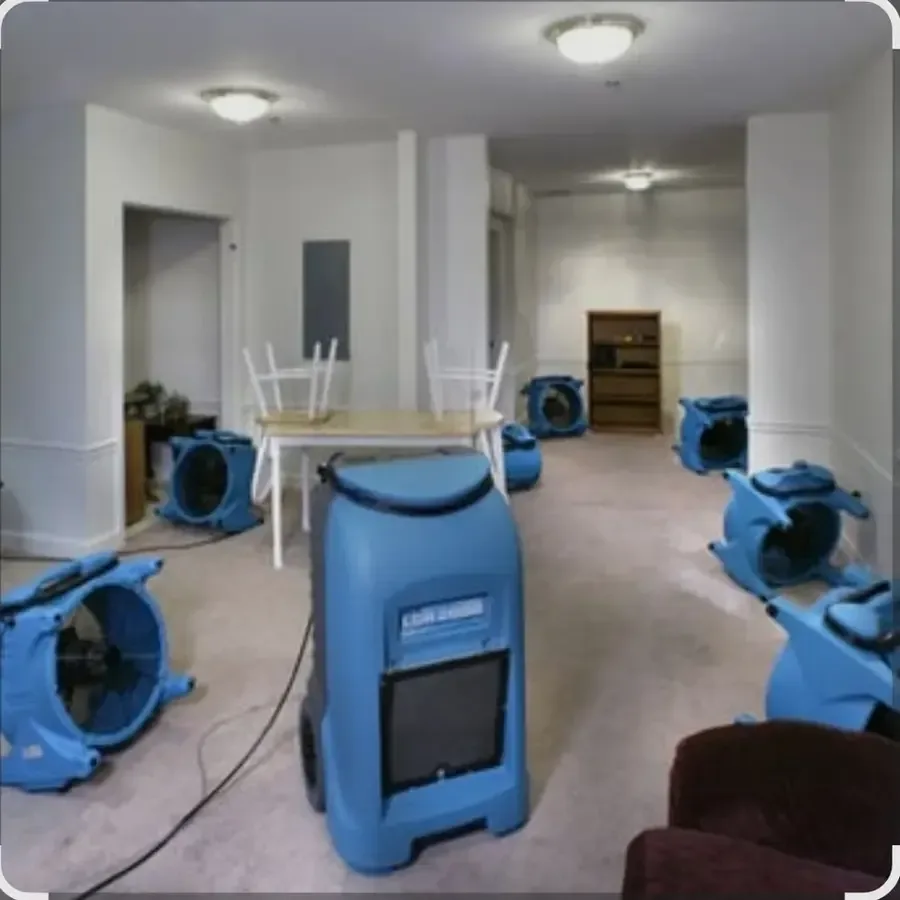
A room can feel dry while water remains inside wood, under flooring or behind a finish. The drying technician measures those assemblies, establishes a suitable comparison and records the target before placing equipment. Work around Jurgens Park, Nyberg Rivers and Legacy Meridian Park Hospital starts with the same material-specific assessment. Local access details matter, while the actual construction and wet conditions determine the drying method.
- The restoration team marks wet boundaries before placing drying equipment.
- Source water, contamination and material condition determine the removal scope.
- Documented material readings, checked against an appropriate dry reference, determine completion.
What does structural drying and dehumidification cost in Tualatin, OR?
Structural drying in Tualatin commonly costs $1,000 to $6,000 or more after initial water removal. The retained material load, equipment capacity, cavity access and monitoring period influence cost. Demolition and reconstruction can be separate scope items.
One accessible drying zone
- Limited material load
- Standard airflow setup
- Repeat moisture readings
Layered or connected spaces
- More humidity control
- Cavity access evaluation
- Several monitoring points
Complex retained assemblies
- Dense material drying
- Multiple equipment zones
- Extended progress assessment
Ranges are typical, not a quote: category of water, square footage, material class and how fast drying started move the number most. Run the Tualatin water damage cost calculator for a closer range.
How structural drying and dehumidification is handled in Tualatin
The tech who does the walkthrough maps moisture through the affected assembly and records a dry comparison. The drying team adjusts airflow and humidity control after each inspection, then confirms the material goal before removing equipment.
- 1
Set the material goals
The technician maps wet components and establishes suitable dry comparisons before choosing equipment and inspection locations.
- 2
Create the drying environment
Air movers and dehumidifiers work together within safe power and access limits, with room conditions matched to the affected materials.
- 3
Adjust from measured progress
Repeat readings reveal how the assembly responds, prompting changes to airflow, humidity control or access when progress slows.
- 4
Record the final condition
The drying report identifies completed material goals and the remaining repair scope before equipment leaves and reconstruction begins.
Evaporation and moisture removal must stay balanced
Air movers encourage evaporation from accessible wet surfaces. Dehumidifiers remove that released moisture from the air so it does not simply collect elsewhere. Equipment capacity depends on the affected volume, material load and room conditions. The team also considers power availability and a safe route around hoses, drains and cords, especially where part of a home remains occupied.
- Identify the retained materials and the reason each can remain.
- Compare wet readings with an appropriate dry area or material goal.
- Keep airflow away from unassessed contaminated surfaces.
- Record equipment positions and changes during the project.
Slow readings call for investigation rather than extra noise
A stalled drying trend can indicate trapped moisture, an ongoing source or restricted access behind a finish. Adding fans without addressing the cause may not improve the result. The technician checks the assembly and may adjust containment, dehumidification or selective access. Dense materials and layered floors require a plan that reaches the moisture rather than only the exposed face.
The EPA's leak information supports checking for continuing supply loss. Flood recovery precautions remain relevant until safe access and contamination conditions permit normal use of the affected rooms.
The drying record supports the reconstruction handoff
Daily material readings and psychrometric notes show how the drying environment changed. The final record identifies the goal, the measured condition and any unresolved source or access issue. The team can then explain which assemblies are ready for closure. A calendar estimate helps with planning, but equipment removal follows those measurements and the condition of the materials.
- Keep temperature and humidity notes with the material readings.
- Identify the exact test locations so repeat checks are comparable.
- Confirm repairs will not seal an unassessed damp cavity.
Structural drying and dehumidification across Tualatin
Service covers ZIP 97062, including Nyberg Woods, Nyberg Rivers and Bridgeport Village. The restoration team checks the affected building before selecting extraction and drying equipment.
Additional coverage includes Tigard, Lake Oswego, Sherwood, Wilsonville, Oregon City.
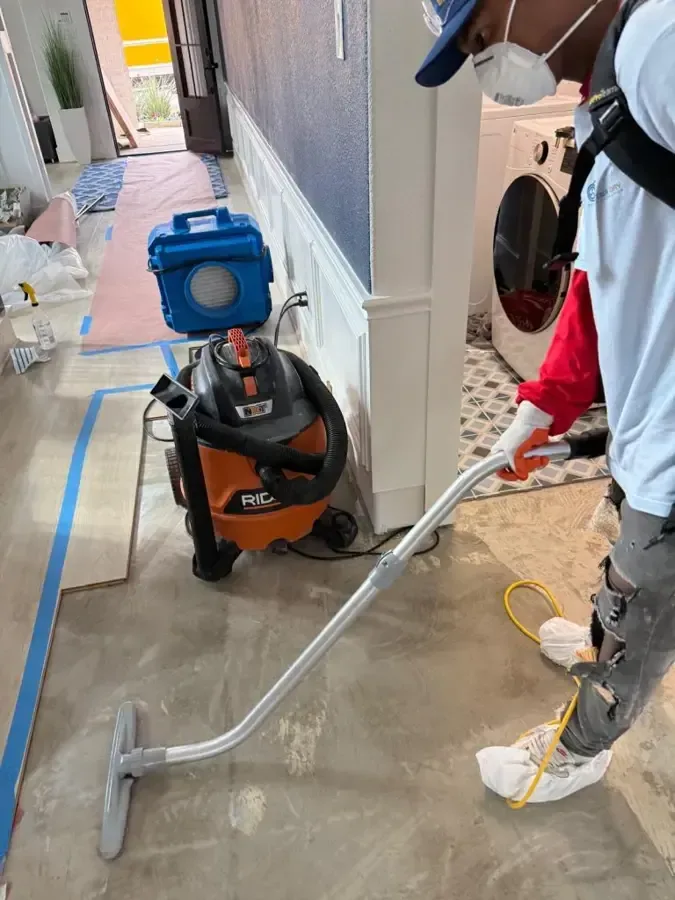
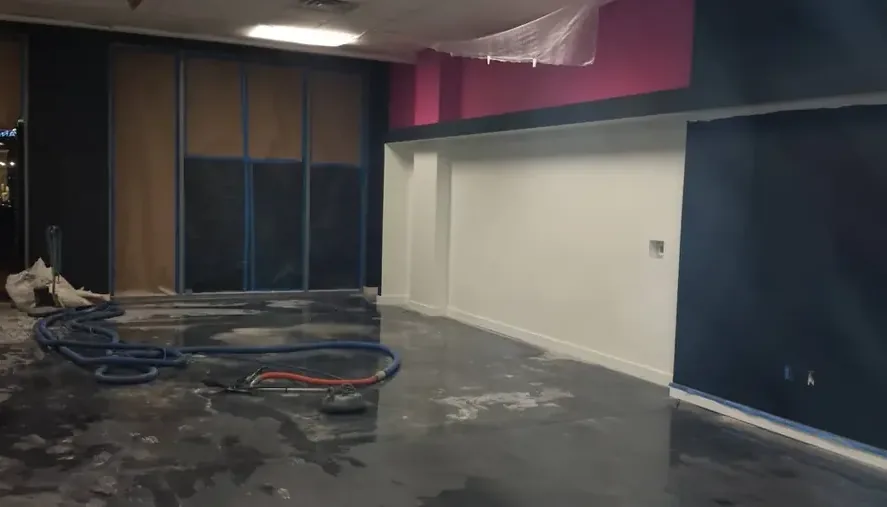
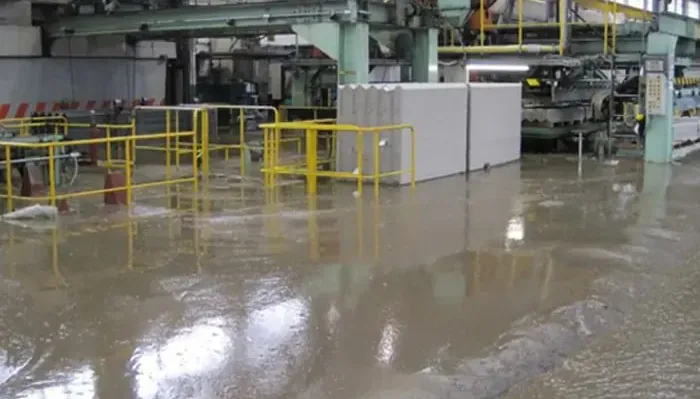
Related water damage services in Tualatin
Structural Drying and Dehumidification questions in Tualatin, OR
Is a dry surface enough to stop the machines?
No. Covered or dense materials can retain moisture after their surface feels dry. The technician checks the relevant layers and compares readings with the drying goal.
What does IICRC S500 mean for the work?
It provides a framework for assessing water damage, selecting methods and documenting drying. Applying those methods is distinct from claiming a particular company certification.
Why is a dehumidifier needed with fans?
Fans promote evaporation, while dehumidifiers remove vapor from the air. Without moisture removal, humid air can slow drying and affect previously dry surfaces.
Can windows stay open during drying?
The equipment plan determines that. Outdoor conditions can help or hinder progress, so follow the technician directions rather than opening windows automatically.
How long does drying take?
Material type, saturation, access and room conditions determine duration. A planning estimate is useful, but repeat readings decide when the retained assembly is ready.
Can a drying assessment start after hours?
24/7 dispatch supports water losses requiring equipment and moisture assessment. Safe power, source control and contamination checks govern when the setup can begin.
Drying ends with evidence inside the assembly
The drying team tracks retained materials and adjusts the environment until the documented goal supports reconstruction.