Water Damage Restoration in Wilsonville
A wet room needs a clear starting point. Wilsonville property owners can arrange extraction, contamination cleanup and measured drying around the actual source, affected materials and access to the building.
(888) 373-8814Talk through the water damageSafe access and the source of water shape the first cleanup decisions.
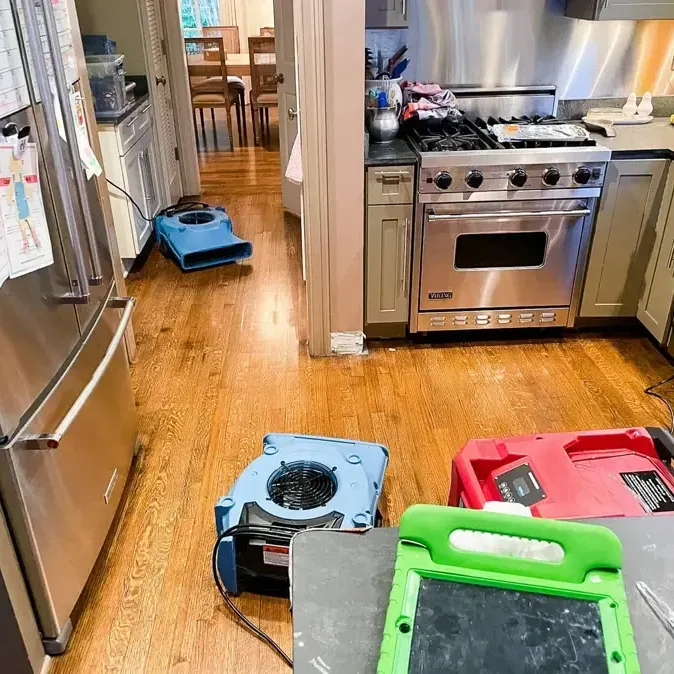
Make the damaged room safe to assess
- 1
Keep the threshold clear
Occupants should stay outside standing water when outlets, appliances or submerged cords could be involved. Electrical hazards need qualified attention before entry.
- 2
Limit an active release
An accessible supply valve can stop incoming plumbing water when the approach is dry. A plumber should address damaged fittings or an uncertain shutoff.
- 3
Record the visible changes
Photos taken from a safe position can capture the wet boundary, affected belongings and ceiling stains before materials move or cleanup changes the scene.
- 4
Identify an access contact
For rented or shared property, the owner or manager should receive prompt notice and arrange permission to inspect adjoining rooms or concealed spaces.
- 5
Describe water movement
Useful details include the suspected source, whether water continues entering and which rooms connect to the wet area. These observations help plan assessment.
Choose the problem that matches the room
The visible puddle is only part of a loss. These services address different entry routes, contamination concerns and building materials that may need separate attention.

Water Extraction and Removal
Remove standing water from accessible floors while checking thresholds and edges where moisture can reach adjoining rooms.
Water Extraction and Removal details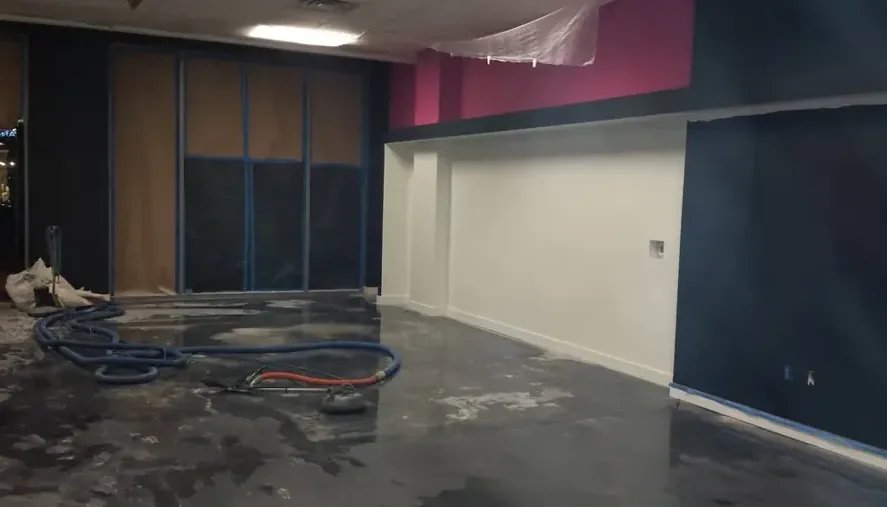
Basement Flooding Cleanup
Assess a flooded lower room for entry conditions, electrical hazards and trapped moisture behind finished wall materials.
Basement Flooding Cleanup details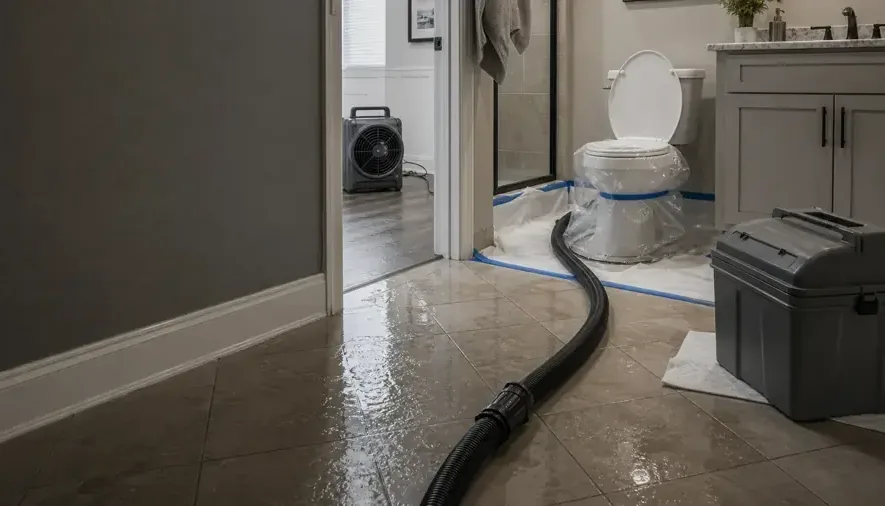
Sewer Backup Cleanup
Separate wastewater affected spaces from occupied rooms and plan removal, surface cleaning and controlled access during cleanup.
Sewer Backup Cleanup details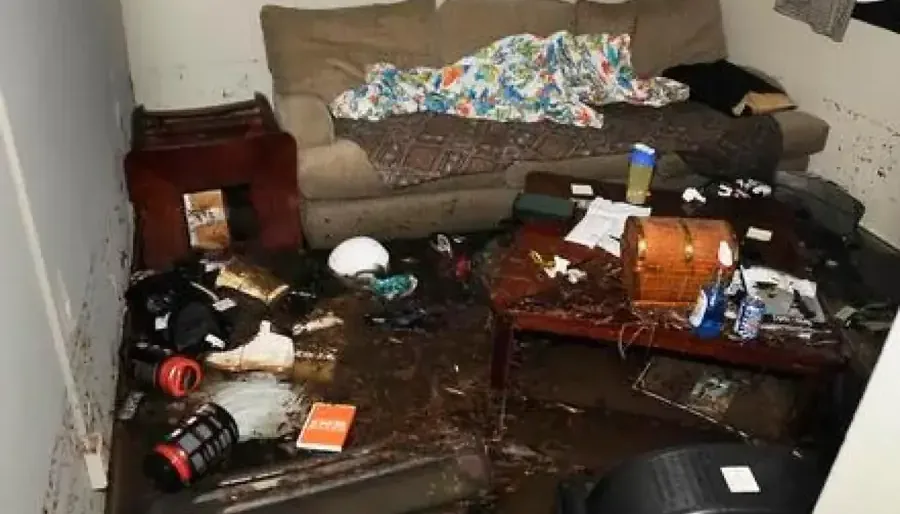
Storm Flood Cleanup
Track exterior water entry through the building and distinguish sediment cleanup from drying the materials left in place.
Storm Flood Cleanup details
Burst Pipe Water Damage
Coordinate a stopped pipe release with an inspection of walls, floors and rooms beneath the original leak.
Burst Pipe Water Damage details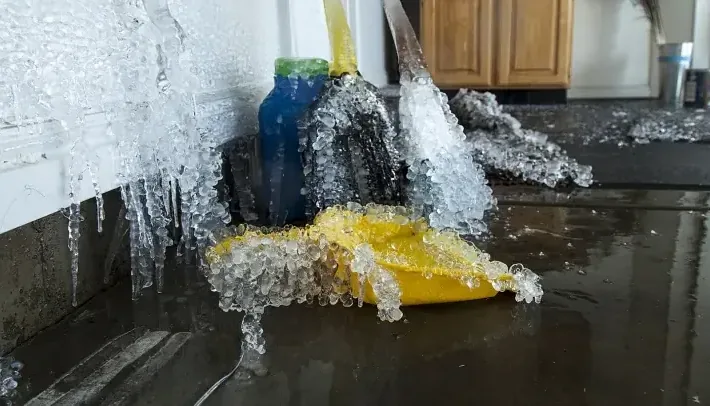
Frozen Pipe Cleanup
Address water released during thawing, then inspect concealed cavities before repaired plumbing returns to normal use again.
Frozen Pipe Cleanup details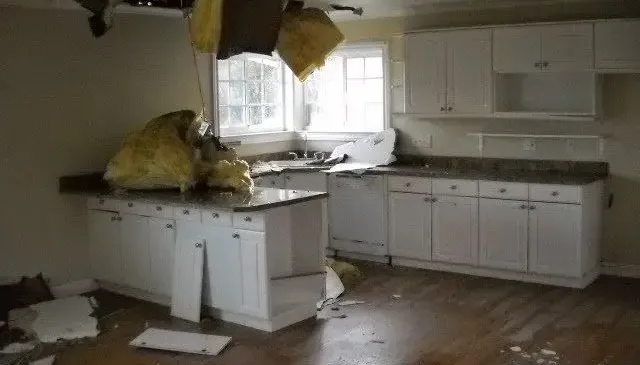
Ceiling Leak Water Damage
Restrict the area beneath a wet ceiling and trace overhead moisture before patching a stain or opening drywall.
Ceiling Leak Water Damage details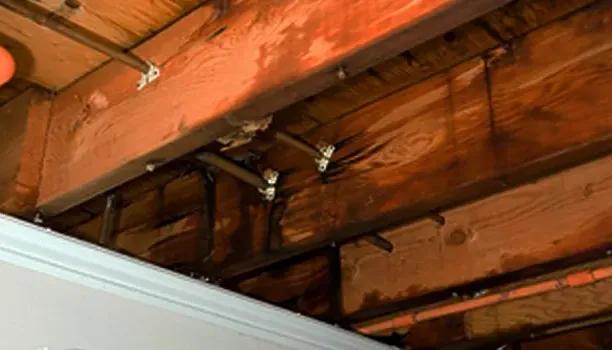
Roof Leak Water Damage
Connect weather protection above with interior assessment of damp insulation, ceiling finishes and the path of rain entry.
Roof Leak Water Damage details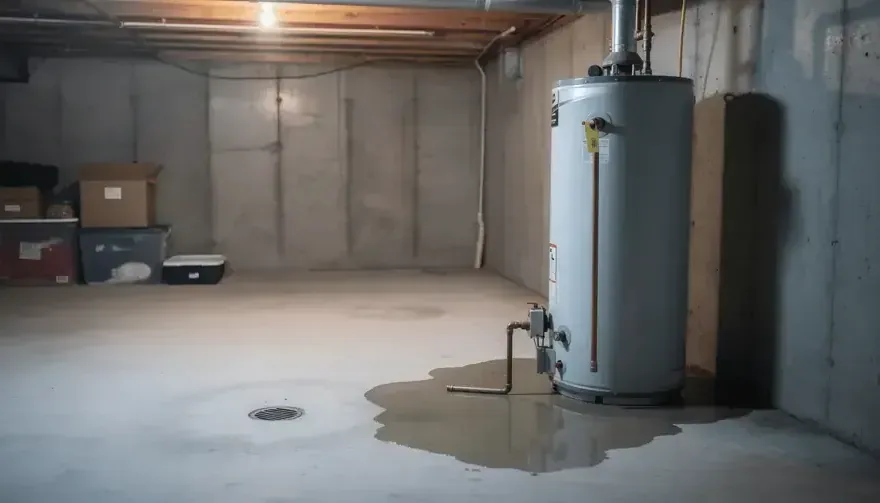
Water Heater Leak Cleanup
Evaluate water around the tank, utility room finishes and adjacent flooring while equipment replacement is handled separately.
Water Heater Leak Cleanup details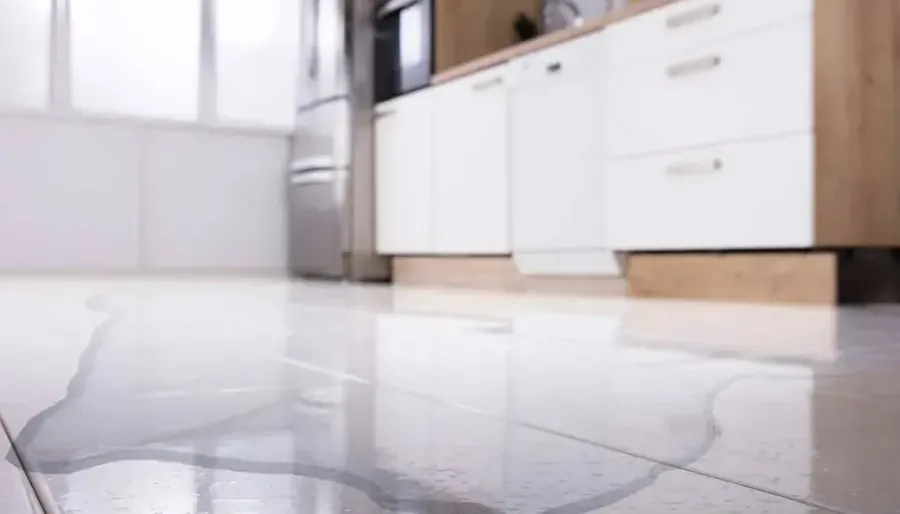
Appliance Leak Water Damage
Look beyond the appliance face for moisture beneath cabinets, behind flooring edges and inside the room below.
Appliance Leak Water Damage details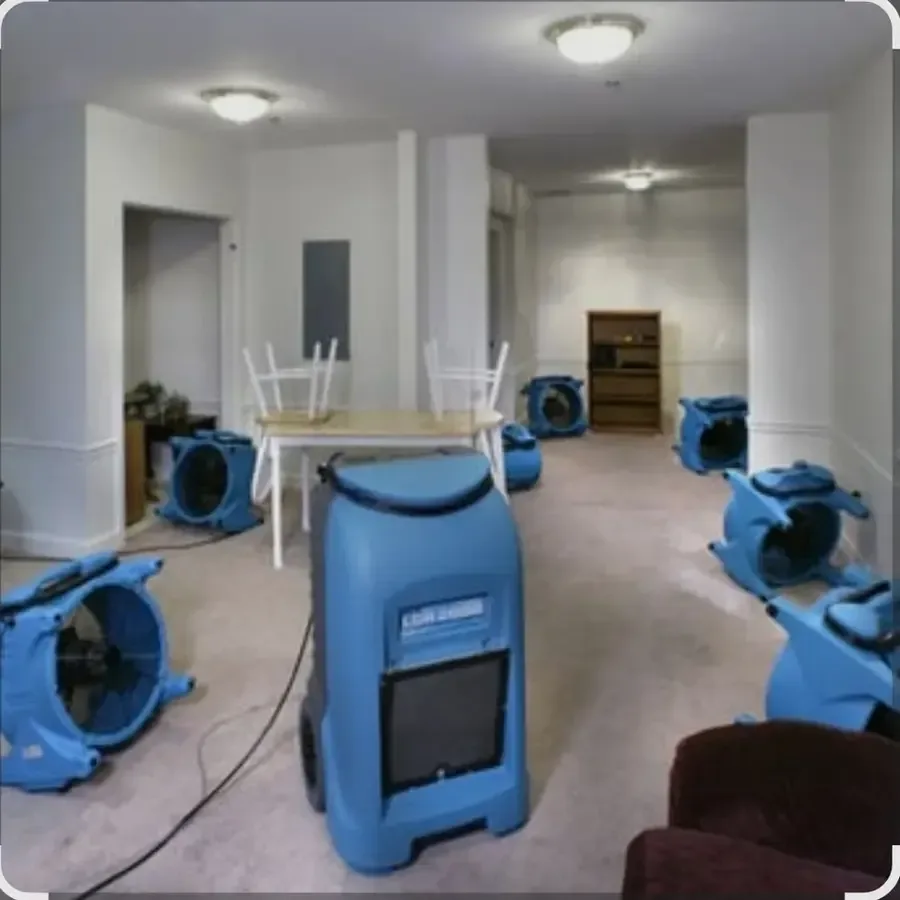
Structural Drying and Dehumidification
Use moisture readings to choose drying access and track progress in retained wall, floor and ceiling assemblies.
Structural Drying and Dehumidification details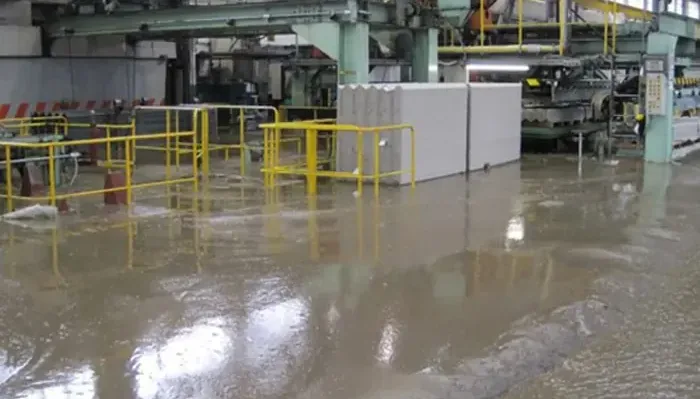
Commercial Water Damage
Organize cleanup around affected stock, equipment, tenant access and the separation of wet work zones from business operations.
Commercial Water Damage detailsEach decision follows the condition of the building
Wilsonville includes varied housing types and ages. The useful starting point is an inspection of the affected assembly, followed by a written plan that distinguishes removal, drying and the work needed to restore finishes.
- 1
Trace the path
Inspection follows water from the entry point into adjacent surfaces and cavities, including spaces beyond the obvious stain.
- 2
Choose retained materials
Contamination, swelling and access determine which materials can remain and which require removal before the next phase.
- 3
Manage evaporation
Drying equipment is arranged around exposed surfaces, available electrical capacity and moisture measurements rather than the room size alone.
- 4
Check completion
Recorded readings and material condition support the handoff to repairs, with outstanding source work clearly separated from cleanup.
What affects water damage costs in Wilsonville?
A confined spill costs differently from water beneath finished flooring or across connected rooms. Cleanup estimates should identify extraction, removal, drying and monitoring separately. The ranges below help frame a conversation; an inspected scope determines the work and price for a particular property.
Limited room cleanup
- Accessible wet surfaces
- Contained moisture spread
- Straightforward equipment placement
Connected interior damage
- Adjoining rooms affected
- Selective finish removal
- More drying access
Extensive water involvement
- Several wet assemblies
- Complex contamination decisions
- Broader monitoring needs
Source repairs, replacement finishes and insurance decisions need separate discussion. A written estimate should make those boundaries clear before work is authorized.
The source matters as much as the volume
Supply water release
A broken supply pipe needs source control and prompt removal before water migrates into absorbent layers or concealed cavities.
Inspect pipe damageEquipment related discharge
Appliance water requires attention to what the equipment contained, where the discharge traveled and which surfaces were exposed.
Check appliance spreadWastewater entry
Sewage calls for restricted access, careful handling of affected contents and a cleaning plan before drying equipment circulates air.
Check sewage cleanup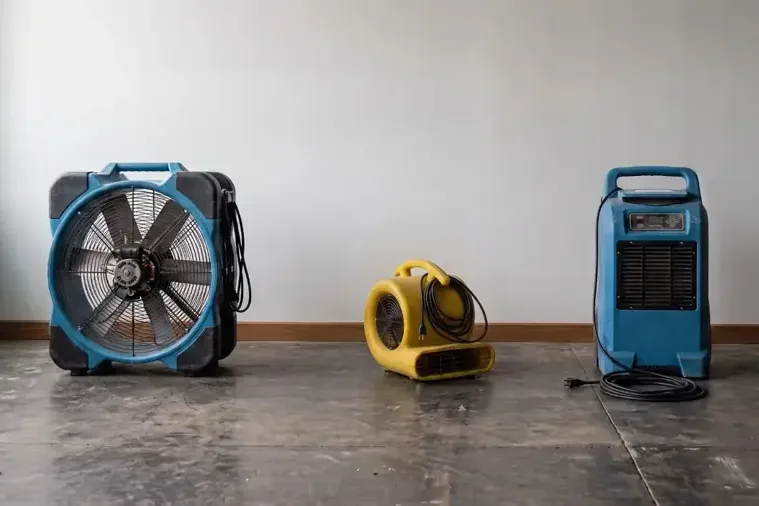
Clear decisions before finishes go back
An estimate is easier to evaluate when it describes the wet materials and the reason for each task. Property owners should receive practical explanations about access, removal and the measurements used to assess progress.
Specific boundaries
The affected room, neighboring spaces and concealed areas should be identified so that a small visible stain does not define the entire job.
Useful records
Dated photographs, moisture locations and equipment notes help explain what changed between the initial visit and the repair handoff.
Separate responsibilities
A cleanup scope should distinguish mitigation from plumbing work, roof repair, electrical evaluation and installation of replacement finishes.
Accessible explanations
The condition of each material should drive recommendations, with removal decisions described in ordinary language before avoidable disruption occurs.
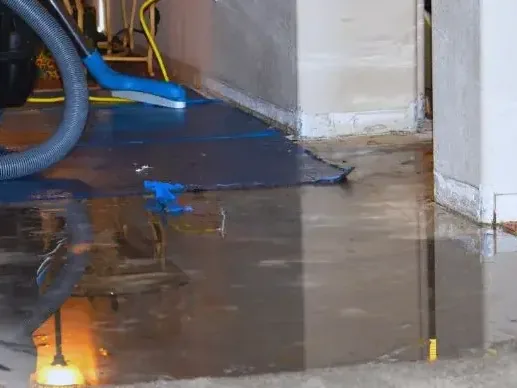
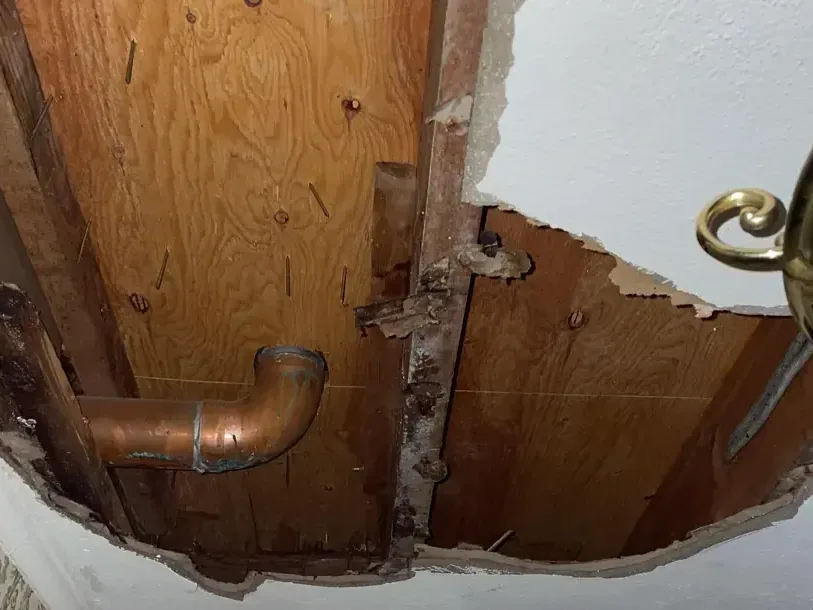
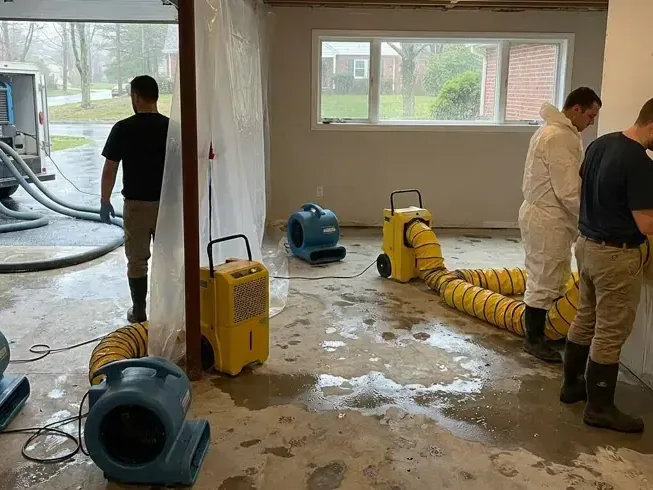
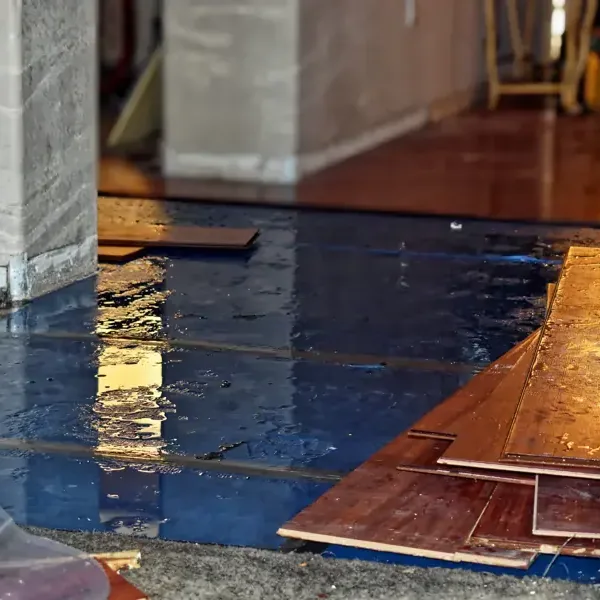
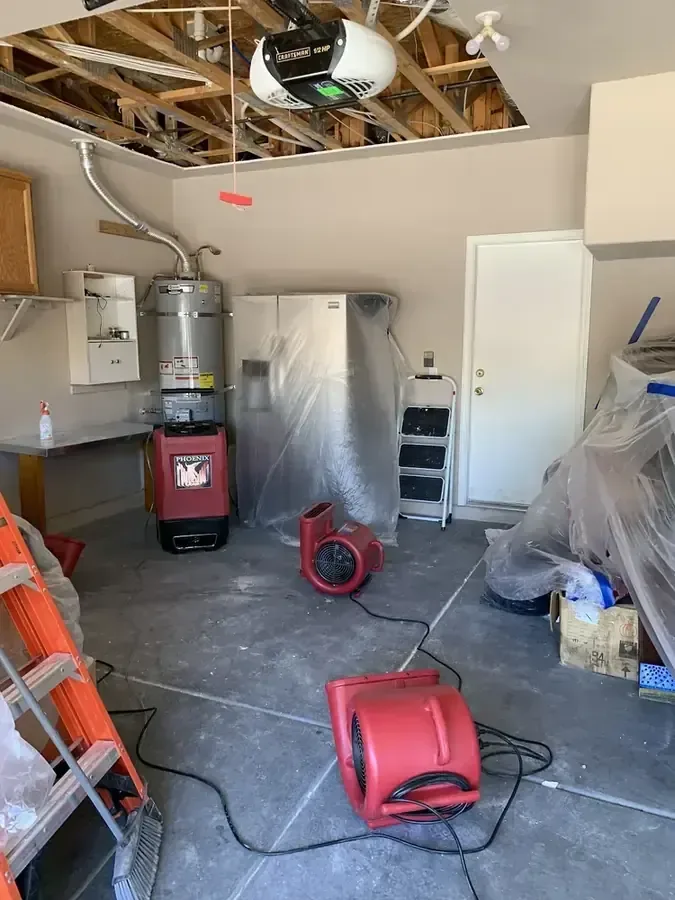
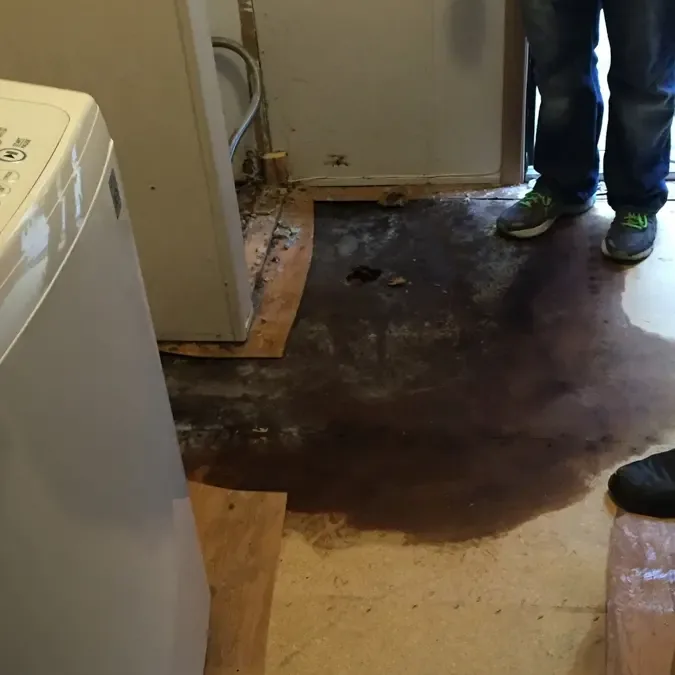
Examples of extraction access and drying equipment
Document damage without delaying safe mitigation
Insurance check depends on the policy and cause of loss. A clear record connects the source, affected materials and authorized cleanup without promising a coverage outcome.
- Photograph the wet boundary before belongings are moved.
- Record the discovery time and apparent water source.
- Keep invoices for emergency cleanup and source repairs.
- Save written estimates with separate removal and drying tasks.
- Note communications about access, authorization and claim instructions.
When paying directly
A property owner funding the work directly can ask for an itemized scope, including equipment use, monitoring and disposal. Clear priorities help separate urgent mitigation from later cosmetic choices.
Before accepting an estimate, clarify how newly discovered moisture will be documented and priced. Changes should be explained while the relevant area remains visible.
Serving homes and businesses across Wilsonville
Places to mention when calling
Residential ZIP
Nearby service areas
Plan before you call
Local conditions worth including in the assessment
Most precipitation arrives in winter, with November through March the wettest period. Rain entry, plumbing leaks and drainage problems need different source investigations even when they leave similar looking water on a floor.
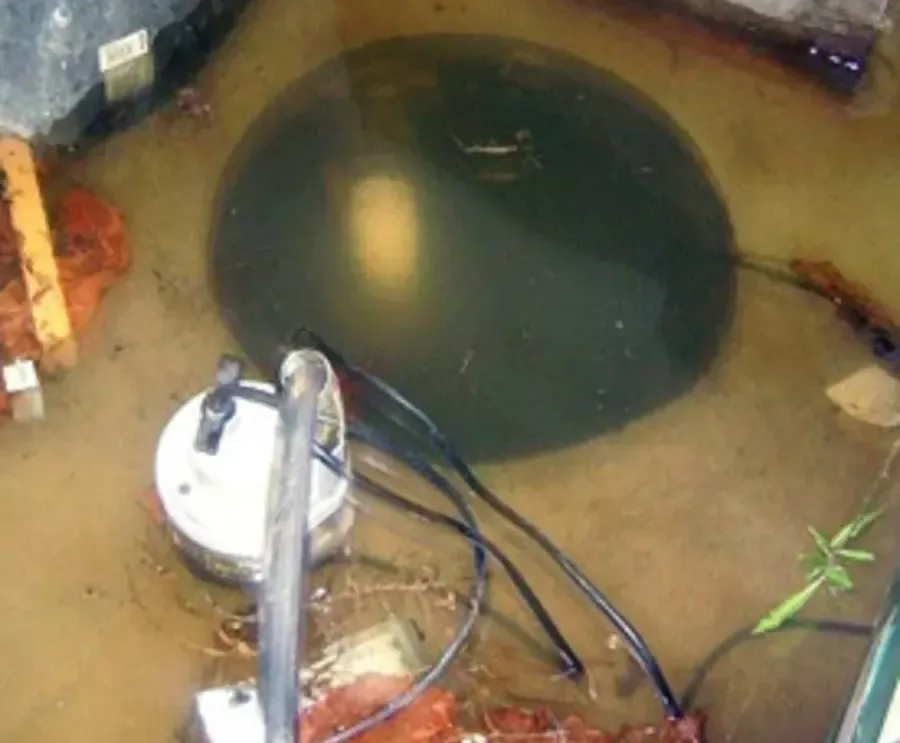
Water around the sump: This sump area has standing water around the pit. An assessment checks continuing entry, pump operation and electrical safety before planning removal from the surrounding floor.
- Seasonal rain A ceiling stain that changes during rainfall warrants attention to exterior entry and concealed wet layers before the visible finish is repaired.
- Creek settings Coffee Lake Creek includes the Coffee Lake Wetlands. At an affected property, inspection should follow the actual route by which water entered.
- Stormwater facilities The city manages a separate storm sewer system alongside public and private water quality facilities and detention ponds. Drainage observations can help describe exterior entry.
- Indoor equipment A leaking heater or appliance can wet adjoining finishes while the visible puddle remains small. The inspection should extend beneath accessible edges.
- Concealed repairs Alterations to piping inside walls, ceilings or beneath floors require a city plumbing permit. Repair access and drying access should be coordinated.
Water damage questions before the first visit
What details help describe a new water loss?
The suspected source, affected floor and whether water is still entering are useful starting points. A property owner can also describe electricity concerns and any rooms that cannot be entered safely.
Does a dry looking floor mean cleanup is complete?
A surface can appear dry while lower layers retain moisture. Readings at flooring edges, wall bases and relevant cavities help determine whether the drying plan has reached the materials that were actually wet.
How should a tenant report ceiling water?
The tenant should notify the property manager promptly and avoid the area beneath sagging finishes. Photos from a safe position and a description of active dripping help the manager arrange inspection and access.
Can stormwater and sewage receive the same cleanup?
The source and exposure determine handling. Exterior water and wastewater both need contamination assessment, but the cleaning scope depends on the affected materials, contents and route of entry into the building.
Is water heater replacement part of mitigation?
Replacement is equipment work separate from drying the surrounding room. The city requires a plumbing permit for water heater replacement, so repair planning should include that step while wet materials are assessed.
What happens when a pipe repair needs wall access?
Access openings should allow both repair and evaluation of the wet cavity. The damaged pipe may be fixed before the surrounding assembly is ready for closure, which depends on its condition and moisture readings.
Should belongings be moved before an inspection?
Dry belongings can be protected from a safe location when movement avoids hazards. Sewage exposed items and heavy objects on unstable finishes should remain undisturbed until the handling plan is established.
Will an estimate include replacement flooring?
The estimate should state whether it covers mitigation alone or includes reconstruction. Flooring replacement, source repairs and finish matching may be separate work, and those distinctions belong in the written scope.
When can a room return to normal use?
Use depends on safe access, remaining contamination concerns, equipment placement and material stability. The restoration assessment should explain which spaces can remain occupied and which must stay restricted during the work.
Start with the water source and safe access
For an affected Wilsonville property, arrange an assessment that connects visible damage, concealed moisture and practical repair access before finishes hide the wet materials again.