Water Extraction and Removal in Tualatin, OR
The extraction crew removes pooled water, follows the wet edges into adjoining rooms and sets up the next drying stage. Tualatin water removal starts with safe access and a source check, with 24/7 dispatch.
(888) 373-8814Get pooled water under control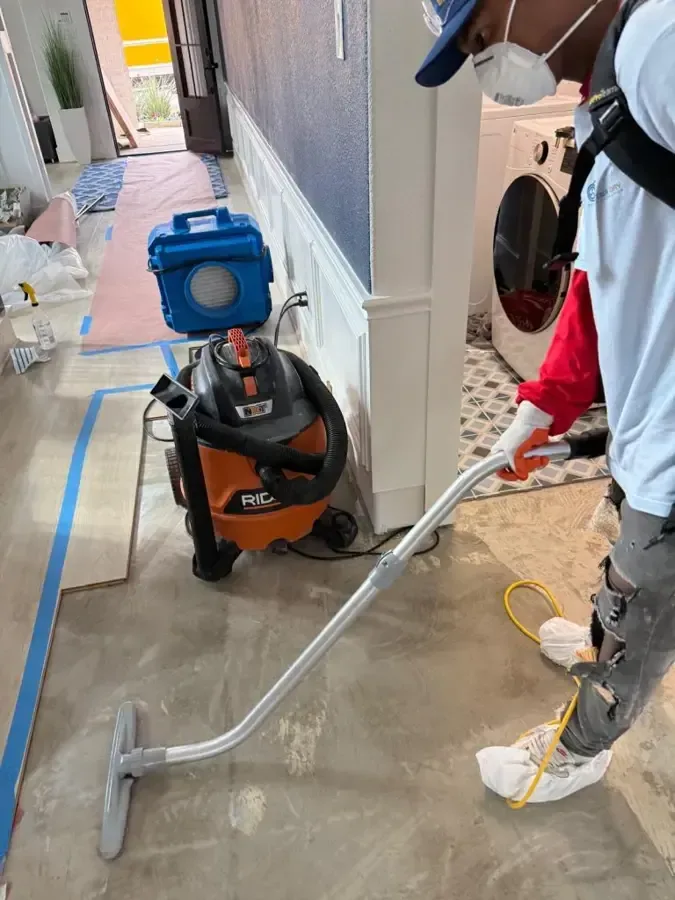
A puddle often understates the area that needs attention. Water moves under baseboards, beneath cabinets and along flooring seams before the room looks broadly soaked. The removal team checks both sides of doorways and the space below the visible loss. Near Nyberg Woods, Bridgeport Village or Jurgens Park, the assessment starts with the building and the water source, then separates items that can be dried from materials that need removal.
- The restoration team marks wet boundaries before placing drying equipment.
- Source water, contamination and material condition determine the removal scope.
- Documented material readings, checked against an appropriate dry reference, determine completion.
What does water extraction and removal cost in Tualatin, OR?
Water extraction in Tualatin typically falls around $700 to $4,500 for accessible residential losses. Water depth, affected area, contamination and hidden floor layers change the removal scope; extended drying and repairs can add separate costs.
Small clean-water area
- One accessible room
- Limited pooled water
- Floor edges inspected
Several connected rooms
- Broader extraction route
- More contents to protect
- Multiple floor transitions
Deep or complex loss
- Pumping and debris handling
- Restricted lower-room access
- Additional moisture investigation
Ranges are typical, not a quote: category of water, square footage, material class and how fast drying started move the number most. Run the Tualatin water damage cost calculator for a closer range.
How water extraction and removal is handled in Tualatin
The tech who does the walkthrough maps moisture through the affected assembly and records a dry comparison. The drying team adjusts airflow and humidity control after each inspection, then confirms the material goal before removing equipment.
- 1
Assess entry conditions
The technician confirms a safe route, identifies the water source and documents the rooms that require extraction.
- 2
Remove liquid water
Pumps and surface tools reduce standing water while the crew protects dry routes and separates contaminated materials.
- 3
Locate what remains
Moisture checks continue at floor edges, wall bases and concealed transitions after the visible accumulation is gone.
- 4
Set the drying handoff
The drying team records target materials, equipment positions and inspection needs so the next stage follows measured conditions.
Extraction reaches beyond the visible puddle
The crew selects equipment for the depth, debris and surface. A pump removes deeper accumulation; a weighted extraction tool can draw water from a salvageable carpet assembly. Floor coverings are inspected before aggressive extraction so a damaged seam or loose finish does not become an additional problem. Access beneath fixed cabinetry may require a separate opening rather than repeatedly drying the exposed floor.
- Check closets and adjoining rooms where water can travel without a visible trail.
- Record the wet perimeter before moving contents or pulling trim.
- Separate contaminated water equipment from clean areas and belongings.
- Inspect lower levels when water has passed through an upper floor.
Removal and drying do different jobs
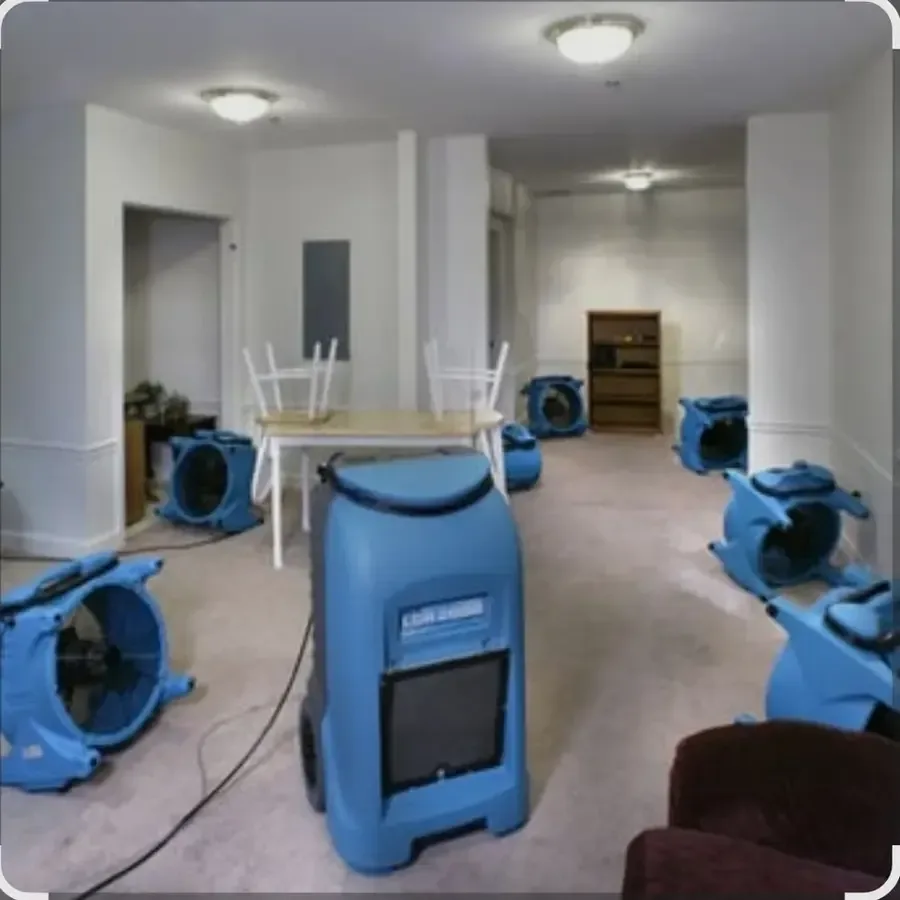
Extraction takes away liquid water. Dehumidification manages the vapor released from damp materials afterward. The drying team places air movers only after the source, electrical hazards and water category are assessed. LGR dehumidifiers and material readings support a drying plan; the technician verifies completion with material readings inside the affected assembly.
Households can review flood safety before entering a wet space and water-efficient leak detection when investigating an unexplained supply loss. Active damage needs a building-specific inspection, with contaminated water kept away from occupied rooms.
What the extraction record contains
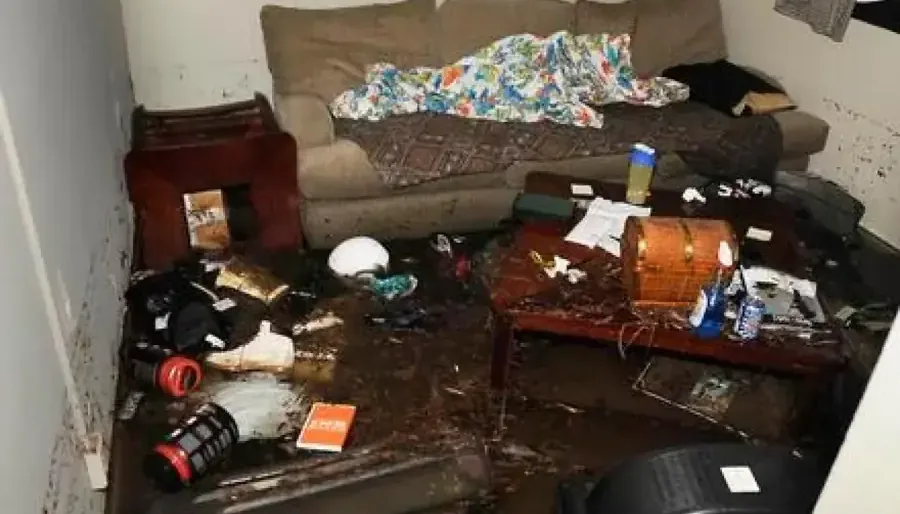
The restoration team photographs standing water and affected belongings, identifies the reported source and records materials encountered during removal. A moisture map carries the wet boundaries into the drying stage. Property managers receive access requirements and the observed condition of adjoining units when a shared building is involved. Cost and insurance decisions remain separate from the equipment plan.
- Photographs show the condition before extraction changes the scene.
- Material readings identify remaining moisture beneath the surface.
- Equipment notes explain where pumps and drying equipment operated.
Water extraction and removal across Tualatin
Service covers ZIP 97062, including Nyberg Woods, Nyberg Rivers and Bridgeport Village. The restoration team checks the affected building before selecting extraction and drying equipment.
Additional coverage includes Tigard, Lake Oswego, Sherwood, Wilsonville, Oregon City.
Related water damage services in Tualatin
Water Extraction and Removal questions in Tualatin, OR
Can extraction start while a pipe is leaking?
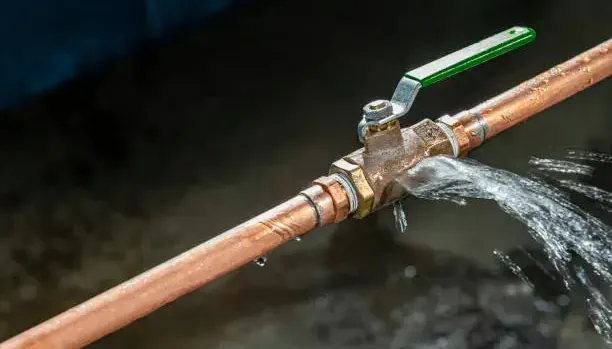
Source control comes first or proceeds alongside safe removal. Pumping without stopping a continuing supply leaves materials exposed and prevents a reliable drying plan.
Does wet carpet always need replacement?
Condition and water category decide that. Some clean-water carpet can be extracted and dried, while contaminated padding or deteriorated backing requires removal rather than reuse.
Will removing the puddle dry the subfloor?
No. The subfloor can retain moisture after surface water disappears. The technician measures the layers and selects drying or access work from those results.
Is emergency water extraction available overnight?
24/7 dispatch supports urgent removal requests. Access, water source, depth and electrical conditions help the response team prepare the extraction equipment.
What information helps with a claim?
Keep photographs, the source-repair record and the mitigation scope. The restoration team adds moisture readings and equipment notes; the insurer applies the policy terms.
Can a household vacuum remove the water?
Ordinary household vacuums are unsuitable for water pickup. Even a wet-rated machine requires safe electricity and clean water conditions; contaminated or deep flooding needs professional assessment.
Move from standing water to a drying plan
The restoration team combines extraction with moisture checks so wet layers do not disappear from the scope when the puddle is gone.