Frozen Pipe Cleanup in Tualatin, OR
The frozen-pipe cleanup team checks water released during thawing, removes wet insulation where needed and dries the surrounding assembly. Tualatin households can request 24/7 mitigation when a cold-weather pipe failure becomes an active leak.
(888) 373-8814Check the water after thawing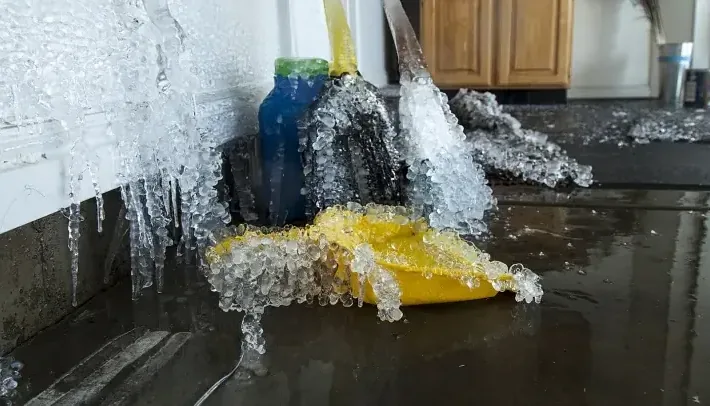
A frozen section can conceal a split until water starts flowing again. The first check therefore follows the pipe route and the rooms below it, rather than treating restored faucet flow as the end of the incident. Requests near Nyberg Woods, Jurgens Park and Bridgeport Village need the same building-specific details: where flow stopped, where water appeared and whether the supply is now isolated. The team checks the pipe material, insulation and exposure at the affected building.
- The restoration team marks wet boundaries before placing drying equipment.
- Source water, contamination and material condition determine the removal scope.
- Documented material readings, checked against an appropriate dry reference, determine completion.
What does frozen pipe cleanup cost in Tualatin, OR?
Frozen pipe cleanup in Tualatin often falls between $1,200 and $7,500 or more. Concealed pipe access, wet insulation, the number of affected levels and drying conditions change the mitigation cost; thawing and plumbing repairs are separate services.
Accessible thaw leak
- Limited wet flooring
- Source already isolated
- Nearby material checks
Concealed wall damage
- Wet insulation removal
- Cavity access
- Temperature-controlled drying
Several wet assemblies
- More than one room
- Ceiling or subfloor work
- Extended equipment monitoring
Ranges are typical, not a quote: category of water, square footage, material class and how fast drying started move the number most. Run the Tualatin water damage cost calculator for a closer range.
How frozen pipe cleanup is handled in Tualatin
The tech who does the walkthrough maps moisture through the affected assembly and records a dry comparison. The drying team adjusts airflow and humidity control after each inspection, then confirms the material goal before removing equipment.
- 1
Record thaw and repair status
The technician reviews where flow stopped and when the leak appeared, then checks safe access around the affected pipe route.
- 2
Remove thaw-related water
Extraction follows the escaped water while the crew protects dry rooms and coordinates with the plumbing repair work.
- 3
Reach wet insulation
Measured openings expose saturated insulation and structural materials that enclosed finishes would otherwise prevent from drying.
- 4
Monitor through stable conditions
The team tracks temperature, humidity and material readings until retained assemblies meet the drying target and the source remains controlled.
Thawing can reveal more than one wet point
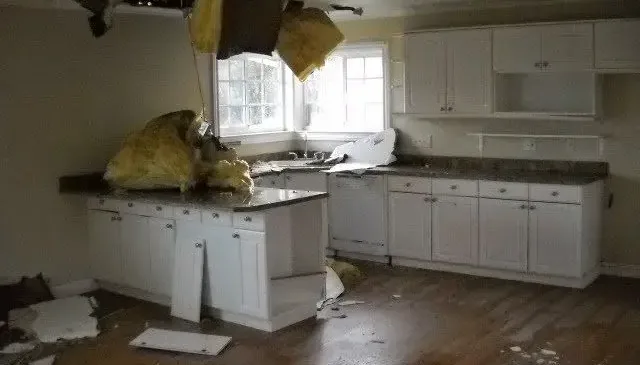
The plumbing professional checks the affected run before normal use resumes. A leak hidden in an exterior wall can soak insulation and reach the floor without producing a large visible spray. The restoration crew checks those adjacent layers after the source is made safe. Open flame and improvised high heat create avoidable hazards and do not belong in the cleanup plan.
- Watch accessible areas for new drips when flow returns.
- Keep electrical heaters and extension cords out of wet spaces.
- Document each affected room and any ceiling marks below.
- Leave enclosed or inaccessible pipe thawing to an appropriate professional.
Cold wet materials need controlled drying
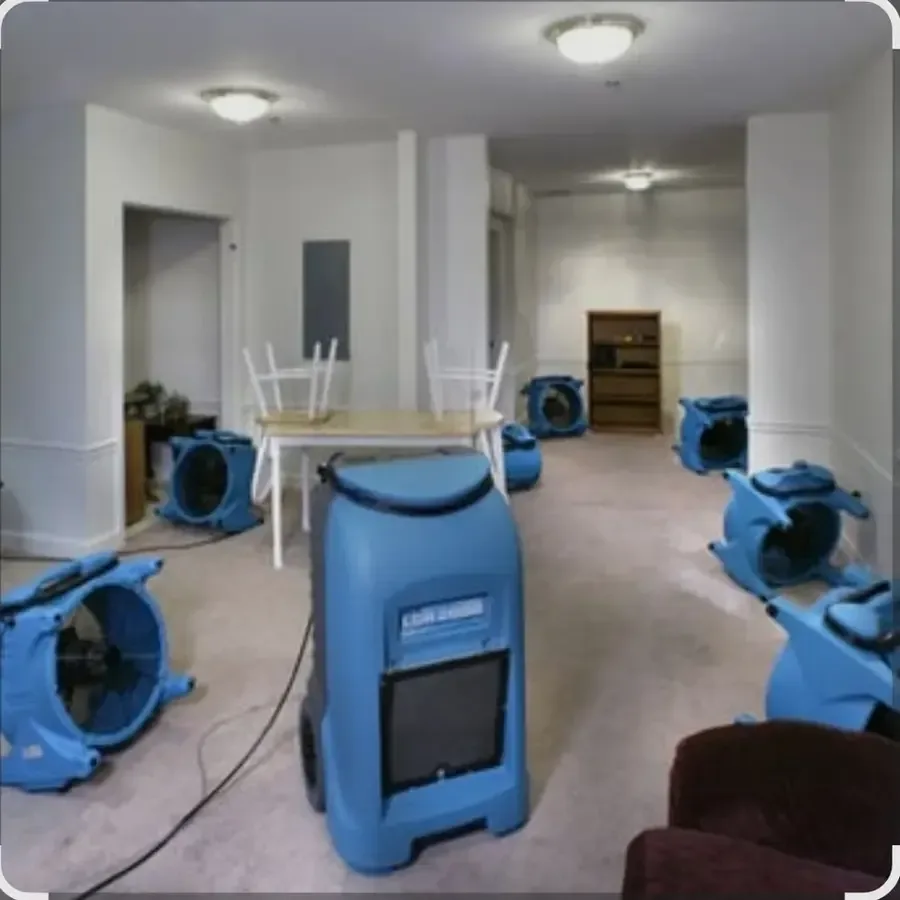
Temperature influences evaporation and dehumidifier performance. The drying team considers the room conditions, available power and the exposure of the wet assembly when placing equipment. Saturated insulation can prevent air from reaching structural wood, so removal decisions follow condition and access. Raising room heat alone does not remove the water held in dense or covered materials.
Winter weather preparedness helps households plan safe protection during cold conditions. The EPA's leak-checking advice is useful after the plumbing repair, when unexplained water use may point to a remaining leak.
Keep prevention work separate from damage recovery
Pipe insulation, air-leak correction and plumbing changes may reduce future exposure, but the present loss still needs extraction and moisture verification. The crew records the water path, opened areas and drying progress. A repaired pipe should be observed under normal operating conditions before the wall is closed, and retained materials need their own drying evidence.
- Save the pipe-repair findings and photographs of the opening.
- Identify removed wet insulation in the mitigation scope.
- Confirm that reconstruction does not conceal remaining moisture.
Frozen pipe cleanup across Tualatin
Service covers ZIP 97062, including Nyberg Woods, Nyberg Rivers and Bridgeport Village. The restoration team checks the affected building before selecting extraction and drying equipment.
Additional coverage includes Tigard, Lake Oswego, Sherwood, Wilsonville, Oregon City.
Related water damage services in Tualatin
Frozen Pipe Cleanup questions in Tualatin, OR
Why did the pipe leak only after warming up?
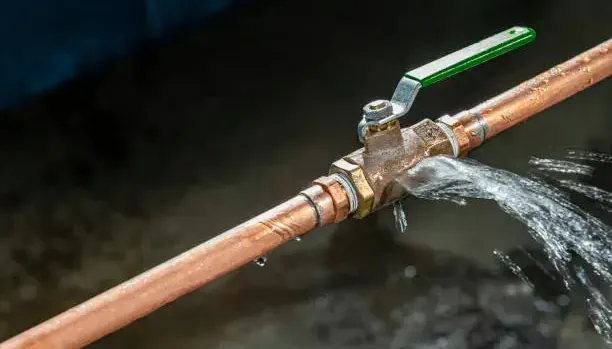
Ice can temporarily limit flow through a damaged section. When it thaws, water may escape through a split that was not obvious while the pipe remained frozen.
Does restored faucet flow mean the pipe is sound?
No. A damaged section can still pass water while leaking elsewhere. The plumbing inspection and nearby moisture checks help determine whether the system and structure are ready.
Can insulation dry inside a closed wall?
Some wet insulation obstructs drying or loses useful condition. The technician evaluates its saturation and access, then removes affected material when needed to reach the structure.
Should extra heat run without dehumidification?
Heat alone moves moisture into the air without removing it from the building. Controlled drying balances temperature, airflow and dehumidification with safe equipment operation.
What records explain a thaw-related loss?
Discovery times, photographs, plumbing findings and the mitigation scope help describe the event. Coverage still depends on policy terms and the insurer assessment.
Is frozen-pipe mitigation available outside business hours?
24/7 dispatch supports active thaw leaks. Report whether the water supply is isolated and whether electrical fixtures or lower ceilings are affected.
Follow the leak after the freeze releases
The cleanup team checks concealed wet layers and documents drying while the damaged plumbing receives its own repair.