Frozen Pipe Cleanup in Tigard
A frozen section may conceal a split until water begins moving again. Cleanup after thawing needs careful source control and a fresh check of nearby walls, floors and enclosed spaces where the release can collect.
(888) 373-8814Discuss water released during thawing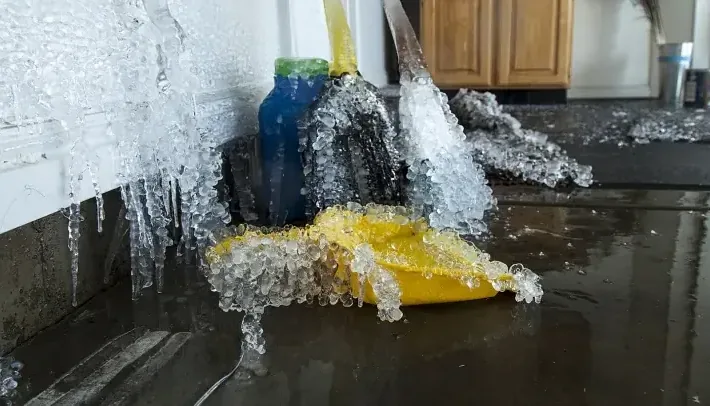
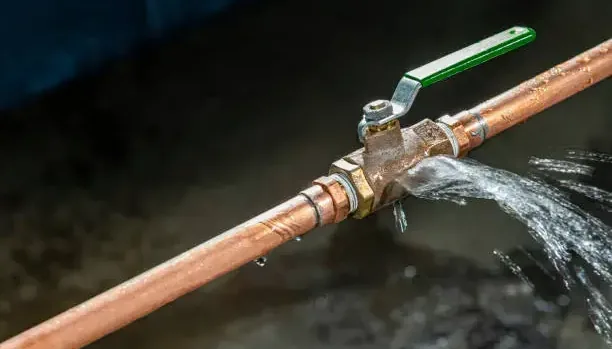
A pipe that stops delivering water and later starts leaking presents linked plumbing and restoration problems. The damaged section needs professional attention, and the released water needs a separate inspection of the building. Frozen pipe cleanup in Tigard follows the thaw related leak wherever it traveled. A supply that appears quiet while still frozen can release water later, so restoration planning should include the status of the plumbing and any intended restart.
- The restoration team marks wet boundaries before placing drying equipment.
- Source water, contamination and material condition determine the removal scope.
- Documented material readings, checked against an appropriate dry reference, determine completion.
What does frozen pipe cleanup cost in Tigard, OR?
Frozen pipe cleanup in Tigard is estimated from the damage revealed after thawing and source repair. Access to the split, moisture inside enclosed layers and the number of affected assemblies determine the removal and drying scope more than the pipe opening alone.
Accessible thaw leak
- Reachable wet area
- Localized liquid recovery
- Initial moisture inspection
Concealed wall damage
- Selected cavity opening
- Insulation condition assessment
- Framing drying access
Several wet assemblies
- Connected material checks
- Expanded equipment setup
- Multiple repair surfaces
Ranges are typical, not a quote: category of water, square footage, material class and how fast drying started move the number most. Run the water damage cost calculator for a closer range.
How frozen pipe cleanup is handled in Tigard
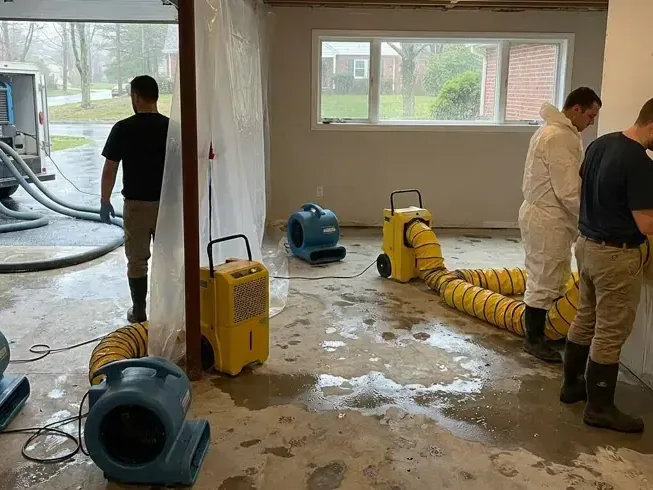
The tech who does the walkthrough maps moisture through the affected assembly and records a dry comparison. The drying team adjusts airflow and humidity control after each inspection, then confirms the material goal before removing equipment.
- 1
Assess thaw and repair status
Establish whether water remains isolated, where the plumbing damage was found and which areas changed as the frozen section thawed.
- 2
Inspect the connected enclosure
Evaluate the pipe surroundings, nearby floor edges and any ceiling below for water that traveled away from the damaged section.
- 3
Address liquid and wet layers
Recover accessible water and explain any openings or material removals needed before retained framing and other layers can be dried effectively.
- 4
Reassess before closing access
Compare moisture readings after source control and record any later release that changed the footprint or required the drying arrangement to be adjusted.
Arrange access before the supply returns
For a property near Grant Avenue, the useful first details are where flow stopped, where water appeared and which shutoff can be reached safely. The owner or manager should coordinate with the plumbing professional before normal water use resumes. Open flames or improvised high heat can create hazards and damage materials; thawing and repair methods belong with an appropriate professional when the pipe is inaccessible or damaged.
Occupants should stay clear of wet electrical components and avoid reaching into enclosed spaces to search for the split. A visible puddle can be documented from a safe location.
Watch the surrounding assembly as conditions change
Milton Court and Boones Ferry Road are useful local references when arranging access, but the inspection depends on the actual pipe enclosure. Water may emerge behind a cabinet, at a wall base or on a ceiling below. Once the damaged plumbing is accessible, nearby insulation and framing can be examined for moisture that was hidden by the original finish.
- Record new wet areas that appear as thawing progresses.
- Check connected surfaces beyond the first visible pipe opening.
- Arrange a safe route for extraction equipment and removed materials.
Dry the damage left after the thaw
Repairing the split does not draw absorbed water out of a wall or floor. Accessible liquid is recovered, unsuitable wet material is assessed for removal and retained layers are measured. The burst pipe cleanup page covers the broader path of a supply release. For thaw related damage, the drying record should also reflect whether the plumbing remained isolated during inspection and whether later leakage changed the original affected area before finish repairs were scheduled.
Frozen pipe cleanup across Tigard
Post thaw moisture inspections include homes near Grant Avenue, Milton Court and Boones Ferry Road, serving Tigard residential ZIP areas 97223 and 97224.
The same service nearby: frozen pipe cleanup in Tualatin, Lake Oswego, Sherwood.
Water damage restoration in Tigard · every neighborhood covered
Related water damage services in Tigard

Frozen Pipe Cleanup questions in Tigard, OR
Can the leak appear only after thawing?
A damaged frozen section may release water when flow returns. The plumbing needs assessment, and newly visible moisture should be included in the cleanup inspection.
Should heat be applied behind the wall?
Improvised heating and open flames can damage materials and create hazards. Inaccessible or damaged plumbing should be evaluated by an appropriate professional before thawing attempts.
Why keep the owner informed during testing?
Supply testing may reveal another leak or water path. Coordinated access allows the responsible person to authorize repairs and inspection of newly affected rooms.
Does every frozen pipe cause interior damage?
Cleanup depends on the actual release and affected materials. A plumbing problem without water entering the building may require repair without an interior restoration scope.
Can wet insulation be dried behind intact drywall?
The assembly needs examination for access and retention. Insulation can limit airflow and conceal wet framing, making selected removal necessary before effective drying is possible.
What determines when wall repairs can start?
Source control and material readings determine when wall repairs can begin. The surrounding layers need suitable moisture conditions before replacement finishes close the inspected assembly.
Inspect the water left behind by thawing
Source repair and a mapped wet footprint help establish the openings and drying needed before the affected room is repaired.