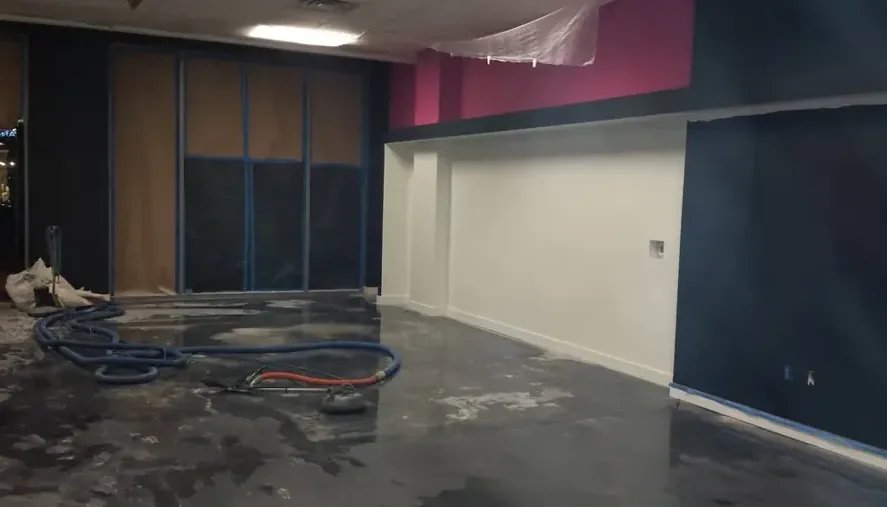
Oregon City warns that inflow and infiltration can cause sewer overflows during and after heavy storms, potentially damaging household basements. The city's sanitary system is separate from storm drainage, yet unwanted rainwater and groundwater can still enter it. When a basement drain rises during wet weather, the cleanup plan needs to address the wastewater contact, the route into the room and the repair investigation serving the property.
Key takeaways
- Record drain behavior and rainfall timing as separate observations.
- Keep occupants and stored belongings out of contaminated water.
- Report suspected sewer trouble while arranging property plumbing assessment.
- Map affected basement materials before moving contents or pumping.
- Complete cleaning before drying retained surfaces and planning reconstruction.
Understand how extra water reaches the sewer
The city describes inflow sources that include roof gutters and catch basins connected to sanitary sewers. It describes infiltration as groundwater entering through breaks and cracks in sewer pipes and manholes.
These routes introduce water into the collection system beyond household drainage, creating a useful distinction when discussing a storm related overflow with the appropriate professionals.
The wastewater collection system is maintained and improved by the Oregon City Wastewater Division. A property report should describe observed drain behavior, the affected room and whether the flow continues, allowing the receiving office to evaluate the report.
The private plumbing investigation can proceed using the same observations without assigning a public or private defect before inspection.
The basement flooding cleanup service addresses the resulting wet room once safe access is established. The mitigation record should describe how water emerged, which surfaces it reached and whether it returned during work.
That information connects the physical cleanup with the source investigation while keeping the findings of each team understandable.
- Identify the drain or fixture where water first rose.
- Note continued or renewed flow after rainfall changes.
- Keep utility reports and plumbing findings with the incident record.
Treat basement access as part of the response
A stairway can lead directly into standing water, leaving little room to turn around once a person reaches the lower level. Occupants should remain outside the affected area when water condition, electrical contact or footing is uncertain.
The initial description should mention appliances, outlets and equipment near the water so the appropriate safety assessment can be arranged.
Stored items can hide floor changes and make movement difficult. Boxes, loose rugs and shelving contents should remain in place until the crew establishes a safe route and records their condition.
A photograph from a dry entrance may preserve useful context without requiring anyone to enter sewage affected water to rescue a replaceable possession or inspect a drain.
The route used to remove water and damaged materials needs protection beyond the basement. Tools, hoses and disposal bags can transfer moisture or contamination through the stairs and upper hallway.
Defining where clean supplies enter and where affected materials leave reduces that spread while preserving usable household space outside the work boundary.
- Keep pets and children away from the basement entrance.
- Avoid touching equipment surrounded by water.
- Leave a clear dry approach for the assessment team.
Document stored property before it moves
Basement storage often places absorbent belongings close to the floor, so contents can become affected before the full depth or spread is noticed. The inventory should identify item groups, their original locations and visible contact.
Wide photographs preserve the arrangement, while closer images show the condition of boxes, shelving feet and materials against the wall.
Wet containers should not be carried into a dry bedroom or living area simply to clear floor space. The crew can establish a holding area and handling plan based on condition, with important papers, electronics or specialty property referred as needed.
That approach protects unaffected rooms and keeps the assessment of each item connected with the original incident.
Disposal decisions should be documented with owner authorization when circumstances permit. A factual record describes the material and contact rather than assigning a replacement cost or promising recovery.
Separating contents notes from building removal allows the owner to understand which decisions concern personal property and which concern the floor, wall or permanent storage assembly.
- Photograph shelving and containers at their original positions.
- Separate dry belongings from items awaiting contamination assessment.
- Keep disposal authorization with the relevant photographs.
Clean the contacted assembly before drying
Bulk wastewater removal reveals sediment, residue and damaged materials that may have been hidden beneath the surface. Sewer backup cleanup assesses cleanability across the affected assembly.
Porous finishes, backing and enclosed layers may require removal when effective cleaning cannot reach the contamination, while retained durable surfaces need appropriate treatment after debris is addressed.
The assessment should include wall bases and concealed floor edges beyond the visibly dirty area. Water can enter joints, pass beneath coverings and reach the underside of fixed storage.
A labeled room map helps connect those findings to specific removal or access decisions, so the owner can understand why the work extends beyond the original pool.
Fans should not be used to blow across untreated sewage contamination. The cleaning sequence must prepare retained surfaces for drying while tools and waste remain controlled.
If renewed drain flow affects a cleaned section, that event belongs in the record and requires the source and cleanup plans to be reassessed before work proceeds toward reconstruction.
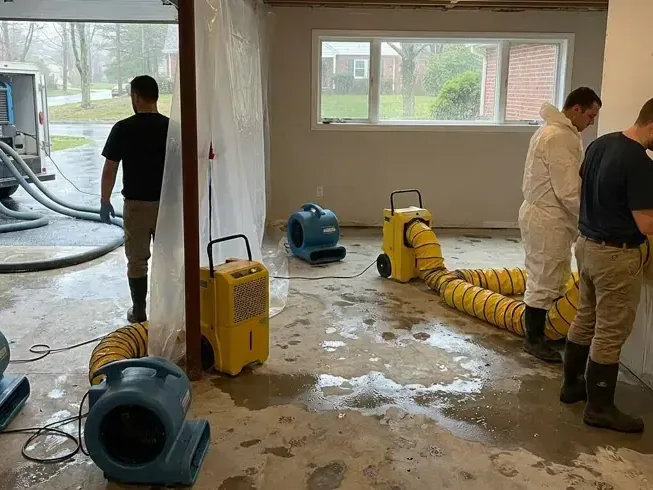
Measure the remaining structure by location
After appropriate cleaning, structural drying addresses retained walls, framing and floor components. Moisture checks should be tied to material and position, including concealed areas opened during cleanup.
The technician can then compare the same locations over time rather than making a completion decision from a dry looking surface or a single room condition.
Basement layouts can restrict air movement around storage recesses, stair enclosures and fixed equipment. The actual arrangement should determine device placement, with access retained for repeat checks at slow drying points.
When one area responds differently, the crew should investigate the material and access conditions and explain any change to the drying or retention plan.
Household access needs should be discussed with the coordinator before equipment is moved or doors are changed. Necessary adjustments can be made deliberately and noted in the drying record.
This keeps the space manageable for residents while preserving the conditions needed to evaluate retained materials and determine when repair trades can begin their work.
- Include original drain areas and farthest wet edges in repeat checks.
- Keep boxes away from exposed wall bases.
- Record changes that interrupt or redirect equipment operation.
Link the basement handoff to the sewer findings
The city identifies Rivercrest Basin as its sewer rehabilitation pilot basin and describes Falls Basin as including Canemah and parts of Two Rivers and McLoughlin. An owner can use the appropriate property information when reporting a concern, while the project file retains the actual response and plumbing findings relevant to the individual basement loss.
A complete handoff distinguishes the source work from indoor mitigation. It should show whether the plumbing issue has been addressed, what materials were removed, how retained surfaces were cleaned and which readings supported the end of drying.
Any remaining access restriction or reconstruction task should be described so another contractor can proceed with a clear scope.
Before stored property returns, the owner should confirm its condition and the readiness of its destination. Keeping absorbent containers away from recently repaired wall bases helps preserve inspection access while outstanding work is completed.
The final records should remain together, providing a readable sequence from first drain behavior through cleanup, source findings and restoration of the room.
Questions
How can a separate sanitary sewer receive rainwater?
The city identifies inflow through connections such as roof gutters and catch basins, and infiltration through cracks and breaks. Those pathways can add stormwater or groundwater to a system intended to collect sanitary waste.
Does a basement backup during rain establish river flooding?
The entry route needs to be documented directly. Water rising through a drain calls for sewer and plumbing investigation, while exterior entry requires its own observations; each path should remain distinct in the cleanup record.
Can stored items go upstairs while the basement is pumped?
Affected belongings need a controlled handling destination so contamination is not carried into occupied rooms. The crew should assess their condition and establish a movement route before they leave the wet basement area.
What must be checked before replacing basement finishes?
The handoff should cover source status, cleaning of retained surfaces, material moisture and remaining access needs. Reconstruction can then follow a defined scope rather than concealing areas that still require inspection or corrective work.