Oregon City Basement Flooding Cleanup
Water at the foot of the stairs can conceal electrical equipment, stored items and weakened finishes. Basement cleanup in Oregon City starts by assessing entry safety and the source before pumping or moving saturated possessions.
(888) 373-8814Request a lower room assessment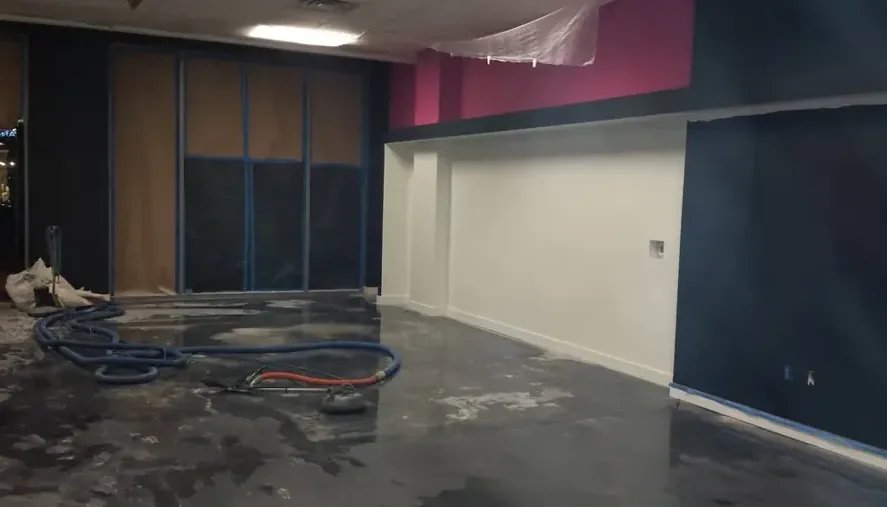
Oregon City warns that inflow and infiltration can cause sewer overflows during and after heavy storms, potentially damaging household basements. That makes the water source an essential early question when a lower room floods. A drain backup needs different handling from a stopped supply leak. The inspection should also establish whether water continues entering and whether anyone can safely reach the stairs, shutoffs or stored belongings.
- The restoration team marks wet boundaries before placing drying equipment.
- Source water, contamination and material condition determine the removal scope.
- Documented material readings, checked against an appropriate dry reference, determine completion.
What does basement flooding cleanup cost in Oregon City, OR?
Oregon City basement cleanup costs depend on water condition, stored contents and the number of finished surfaces affected. Restricted stair access and moisture behind partitions can increase the scope compared with an open unfinished room.
Unfinished lower room
- Open surface removal
- Storage condition assessment
- Basic moisture mapping
Finished room loss
- Saturated finish assessment
- Concealed layer access
- Monitored room drying
Contaminated basement
- Controlled contents handling
- Unsuitable material removal
- Surface cleaning work
Ranges are typical, not a quote: category of water, square footage, material class and how fast drying started move the number most. Run the water damage cost calculator for a closer range.
How basement flooding cleanup is handled in Oregon City
The tech who does the walkthrough maps moisture through the affected assembly and records a dry comparison. The drying team adjusts airflow and humidity control after each inspection, then confirms the material goal before removing equipment.
- 1
Assess source and access
The first inspection considers water entry, electrical exposure and a practical equipment route before any lower room pumping is organized.
- 2
Remove accumulated water carefully
Water removal proceeds with attention to source conditions and the building, followed by a closer look at surfaces previously hidden underwater.
- 3
Sort affected room materials
Finishes and contents are evaluated separately so damaged porous items can be removed while suitable retained surfaces receive appropriate cleaning.
- 4
Track the basement dry out
Equipment placement and moisture checks follow the actual room layout, including storage recesses and exposed structural surfaces that remain damp after removal.
Look beyond the basement floor
A wet storage carton may conceal moisture against a wall long after open floor water is removed. Finished partitions, stair enclosures and the underside of floor coverings can hold water that pumping cannot reach. Access decisions should protect occupants from electrical exposure and unstable materials while giving the assessment enough room to identify damaged surfaces. Wet possessions need a handling plan before they are carried upstairs.
- Restrict basement entry when outlets or equipment may be submerged.
- Keep children and pets away from unknown or wastewater sources.
- Describe the water level from a dry and stable location.
- Save photographs of stored items before any controlled disposal begins.
Storm related sewer context matters locally
Rivercrest Basin is the city's sewer rehabilitation pilot basin and lies mostly within Rivercrest. Falls Basin includes Canemah and parts of Two Rivers and McLoughlin. These drainage details make source investigation relevant to a lower room cleanup discussion. At the property, the observed entry point and condition of the water determine whether the work needs sewage cleanup controls.
A lower room can also collect water from an indoor plumbing release. Once the source is controlled, accessible liquid is removed and the room is inspected again for hidden wet surfaces, damaged contents and possible moisture behind finishes.
Make the drying handoff specific
A finished basement may require careful opening at selected wall or floor edges. An unfinished room can still contain damp framing and saturated storage. The drying scope should name retained materials, explain equipment placement and record progress before those spaces are enclosed or refilled with belongings.
- Separate contents handling from structural removal and drying charges.
- Identify remaining wet surfaces after pumping clears the floor.
- Confirm repair responsibilities for the source of repeated water entry.
Basement flooding cleanup across Oregon City
Basement assessments are available in Rivercrest, McLoughlin and Canemah, including properties in Oregon City ZIP 97045, with entry assessed before equipment placement begins.
The same service nearby: basement flooding cleanup in Tualatin, Lake Oswego, Wilsonville.
Water damage restoration in Oregon City · every neighborhood covered
Related water damage services in Oregon City

Basement Flooding Cleanup questions in Oregon City, OR
Is basement water always a sewer backup?
No. Plumbing leaks and exterior entry can also collect below occupied rooms. The source and water condition must be assessed before cleanup handling is selected.
Can belongings move upstairs before inspection?
Dry accessible possessions may be moved safely, but wet or contaminated items need a controlled route. Carrying them through living areas can spread the damage.
Why check walls after pumping finishes?
Porous finishes and concealed spaces can retain water above or behind the visible flood boundary. Moisture checks determine which areas need drying or selective removal.
Will the entire basement need demolition?
Removal is based on exposure and material condition. Suitable surfaces may remain, while unstable finishes or contaminated porous materials can require controlled removal and replacement.
What if water returns during the work?
Continuing entry requires another source assessment. Extraction and drying plans need adjustment until the plumbing or drainage problem allows the room to remain dry.
Should stored boxes be opened immediately?
Waterlogged containers can collapse or contain contaminated contents. Document their condition first, then arrange handling that protects occupants and keeps affected items together for assessment.
Restore access to the flooded basement
An assessment can define pumping, contents handling and drying work around the condition of the lower room and its affected finishes.