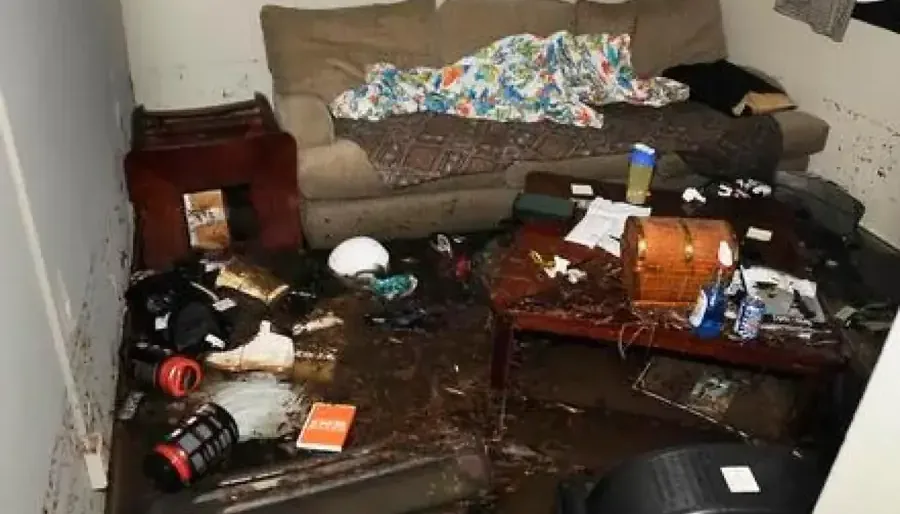
Tigard describes stormwater traveling over streets, roofs, lawns and parking lots before reaching local creeks and the Tualatin River. That runoff can collect sediment, bacteria, oil and other pollutants along the way. When it crosses a building threshold, cleanup needs to follow both the outdoor entry path and the indoor materials touched by the water, beginning with safe separation of the wet area.
Key takeaways
- Treat water arriving from outside cautiously because its route affects its condition.
- Photograph the doorway and the indoor water edge before removal.
- Keep wet shoes, rugs and containers out of dry rooms.
- Inspect flooring transitions and wall bases beyond the visible puddle.
- Arrange drainage correction separately from interior cleaning and drying.
Trace the approach to the threshold
The first exterior observations should be made from a dry, safe position. They can show whether water collected beside an entrance, ran down a paved surface or dripped from above the door.
A photograph that includes the surrounding ground is often more useful than a close view of the puddle because it preserves the direction of travel.
Springs and rainfall feed local creeks, while paved surfaces and roofs also collect water around buildings. The inspection should connect outdoor observations with indoor marks at the sill and adjoining walls.
When active weather limits access, the owner can preserve the visible indoor condition and leave unsafe exterior investigation for an appropriate professional.
The storm flood cleanup page explains removal and cleaning after outside water enters rooms. A clear entry record helps the crew determine which surfaces were contacted and where to look next.
It also gives a drainage or building contractor a concrete starting point when planning correction of the opening or collection problem.
- Show the doorway in a wide exterior photograph.
- Note the side of the sill where water first appeared.
- Leave moving outdoor water and unsafe access routes alone.
Protect the rooms that are still dry
A wet entry rug can spread contamination well beyond the initial threshold if it is dragged through a hallway. The owner should keep affected belongings within the restricted section until the crew establishes a movement route.
Dry items can be protected or relocated where access allows, with photographs preserving their original positions before the room changes.
Foot traffic needs similar attention. A door used by residents, deliveries or staff can repeatedly carry dirty moisture across clean flooring.
A separate dry entrance may help maintain necessary access, provided it is safe and suitable for the building. Temporary directions should identify the usable route without encouraging anyone to step over equipment or cross wet surfaces.
The cleanup zone should have a defined place for supplies and collected waste. Containers and tools that contact runoff should remain separate from clean equipment until appropriately handled.
Keeping those movements organized prevents a small entry loss from becoming a much larger cleaning task through avoidable transfers into adjacent rooms, storage areas or occupied workspaces.
- Keep children and animals outside the affected entrance.
- Avoid moving wet cardboard into a clean storage room.
- Tell arriving workers which route remains usable.
Look beneath the doorway finish
Thresholds join materials that may respond differently to water. A hard surface at the entrance can meet carpet, wood, resilient flooring or a concealed underlayer farther inside.
The inspection should follow each transition and check the nearby wall base, where moisture can continue beneath trim even after the exposed floor has been wiped clean.
A floor plan helps identify the farthest affected edge rather than treating the puddle as the complete loss. Technicians can mark where water crossed a doorway, reached a closet or passed beneath a fixed cabinet.
Locations that remain accessible provide repeat measurement points, while concealed sections may require an explained access decision to assess their condition.
Water extraction removes accessible liquid with methods suited to the surface and water condition. The crew should observe what appears as water clears, including sediment, loose finishes and gaps where liquid entered lower layers.
Those observations can change the scope of cleaning and material removal, so they should be added to the room record.
- Check both sides of interior door transitions.
- Inspect trim ends and cabinet toes beside the entry.
- Record exposed backing when a floor covering is lifted.
Decide what can be cleaned in place
Outdoor water contact makes the material assessment especially important. A washable surface with accessible joints presents a different problem from absorbent padding or an enclosed cavity containing sediment.
The crew should explain whether effective cleaning can reach the affected areas and whether the material remains physically suitable for retention after the water has been removed.
Movable property needs its own record. Shoes, storage bins, papers and upholstered pieces should be described by their location and contact condition, with specialty items referred for appropriate assessment.
Disposal should be documented and authorized when circumstances allow, preserving useful photographs without assigning an invented replacement value or promising a particular insurance outcome.
The work sequence should prevent clean surfaces from receiving dirty runoff again. Bulk debris and unsuitable material are addressed before final cleaning of retained surfaces, and tools are handled accordingly.
If water continues to arrive at the door, the source problem needs renewed attention so the cleaned room is not repeatedly exposed while drying equipment is operating.
Dry the edges that water reached
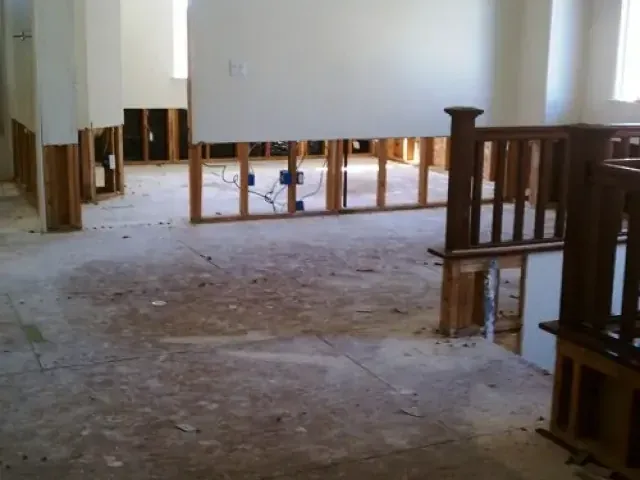
After cleaning, retained materials need a drying plan matched to their actual arrangement. The wettest area may sit at a floor edge, behind trim or inside a cabinet base rather than at the center of the room.
Air movement should reach the exposed assembly while dehumidification manages the moisture released into the enclosed space.
The structural drying overview describes the role of repeat readings in that process. The crew should compare the same marked locations over successive checks and pay attention to sections that respond slowly.
Better access or an adjusted equipment position may be necessary when a concealed edge remains wet after exposed surfaces improve.
Residents should receive a simple explanation of the work area's restrictions. Equipment needs space to operate, and moving it to reclaim a walking route can change the drying result.
If access becomes difficult, the coordinator can revise the arrangement and document the change, keeping the room practical to manage without losing track of the material response.
- Keep stored items clear of wet wall bases.
- Report interrupted equipment operation to the coordinator.
- Confirm that slow drying points are included in final checks.
Hand the entry evidence to the repair trade
Indoor cleanup records should connect with the exterior problem that allowed the water to enter. A drainage, roofing or building professional can use photographs and the observed sequence to investigate the appropriate area.
The handoff should identify the actual entry observations, including any later recurrence, so source correction addresses what happened at the property.
The Tigard water damage hub brings together other water loss services when a different source is found during inspection. A doorway event can coexist with an unrelated plumbing leak, and the room record should keep their paths distinct.
That separation helps the owner understand which repair belongs to each problem and which areas require continued monitoring.
Before furniture returns, the closing walkthrough should cover cleaned contents, retained material readings and unfinished repairs. A dry entrance needs a usable threshold and an understood plan for source correction as well as an attractive floor.
Keeping these decisions in the same project file allows the owner to follow the remaining work without reconstructing the incident from memory.
Questions
Why does runoff need caution even when it looks clear?
The city describes stormwater collecting pollutants as it passes across outdoor surfaces. Its appearance at the doorway may not reveal that contact, so handling decisions should account for the route and materials involved rather than color alone.
Is the entry rug the only item that needs attention?
Liquid may pass beneath a rug and continue through flooring joints or against nearby walls. The assessment should include the surrounding assembly and adjacent transitions before the cleanup boundary is considered complete.
Can the owner clear the exterior cause during active flooding?
Unsafe access and moving water should be left to appropriate responders or professionals. The owner can preserve observations from dry ground and arrange an investigation when the area can be reached safely.
How are cleanup and drainage repairs connected?
The mitigation record shows where water entered and what it affected indoors. The repair trade uses that information with its own inspection to address the exterior collection or opening, while the cleanup team handles contacted materials inside.