Storm Flood Cleanup in Tigard
Mud at a doorway is only the visible part of exterior water entry. A storm cleanup follows sediment into floor joints and wall bases, then evaluates the materials that absorbed water before drying begins.
(888) 373-8814Describe the storm entry route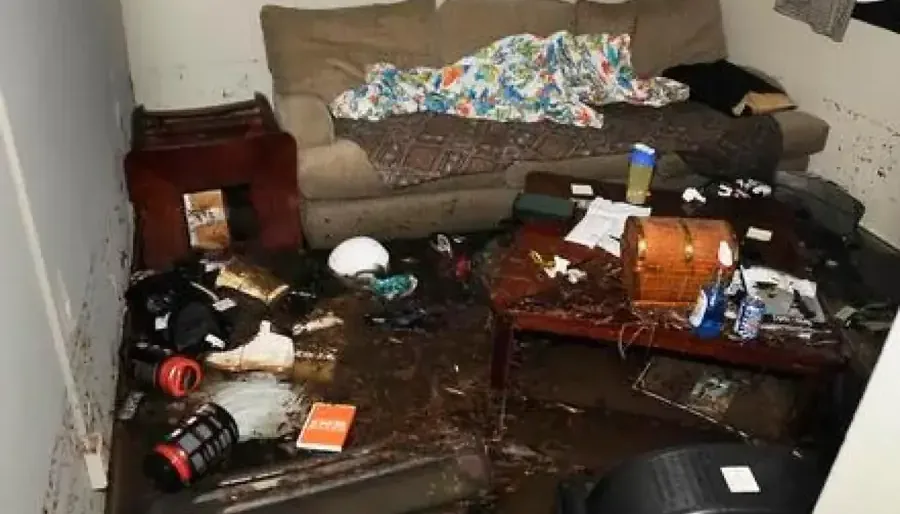
Outdoor water can bring more into a Tigard home than moisture. The city describes storm runoff collecting oil, sediment, bacteria, grease and chemicals while crossing roofs, roads, lawns and parking lots. When that water enters a living space, the cleanup must address the surfaces it contacted. A clear puddle and a muddy one both need their source considered before decisions about saving flooring or directing airflow across the room.
- The restoration team marks wet boundaries before placing drying equipment.
- Source water, contamination and material condition determine the removal scope.
- Documented material readings, checked against an appropriate dry reference, determine completion.
What does storm flood cleanup cost in Tigard, OR?
Storm flood cleanup in Tigard varies with sediment, water spread and affected finish layers. The estimate should explain cleaning access, necessary removal and drying, while separating any drainage or building repairs that stop further exterior entry.
Limited exterior-water entry
- Localized threshold cleanup
- Accessible residue removal
- Limited wet materials
Finished floor affected
- Floor covering assessment
- Wall base inspection
- Additional drying access
Broad interior flooding
- Multiple rooms involved
- Extensive material handling
- Expanded surface cleaning
Ranges are typical, not a quote: category of water, square footage, material class and how fast drying started move the number most. Run the water damage cost calculator for a closer range.
How storm flood cleanup is handled in Tigard
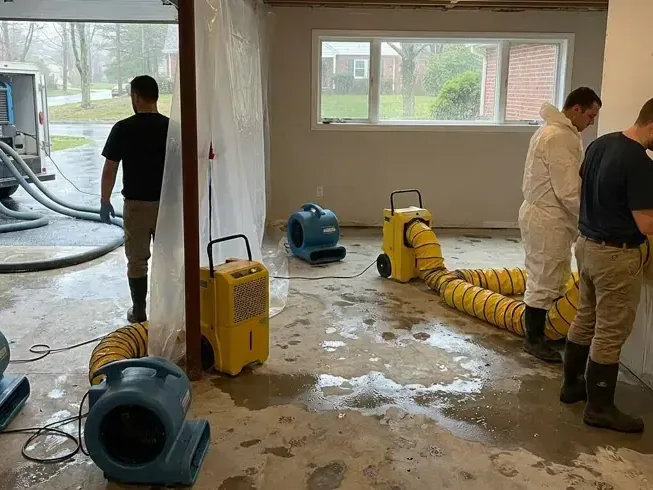
The tech who does the walkthrough maps moisture through the affected assembly and records a dry comparison. The drying team adjusts airflow and humidity control after each inspection, then confirms the material goal before removing equipment.
- 1
Trace entry and spread
Assess the observed route, continuing flow and contact surfaces to establish safe access and the limits of the affected interior.
- 2
Recover liquid and debris
Collect reachable water and sediment while keeping the equipment route and removed materials apart from unaffected living areas.
- 3
Expose necessary cleaning surfaces
Assess porous finishes and open concealed contact areas where residue or wet material would otherwise remain beneath intact coverings.
- 4
Measure after cleanup
Set drying around retained assemblies and compare moisture conditions before planning replacement finishes or moving possessions back into place.
Start at the opening where water entered
The Fanno Creek Trail Connections Project includes Woodard Park to Grant Avenue and another segment from Tigard Library to Milton Court. For properties described using these locations, the useful cleanup details are the actual doorway, wall opening or floor edge where water appeared. A property inspection follows those observations, checks whether entry continues and identifies any immediate electrical or structural concern before equipment is brought inside.
Photographs of sediment marks and wet thresholds can help explain the route after the water recedes. Outdoor drainage or building repairs may require a separate trade before interior drying can hold its progress.
Remove residue before it hides under new finishes
Silt can settle into floor joints, beneath trim and behind fixed cabinets. Extraction reduces the liquid volume but does not remove every deposit. Cleanup may require selected finishes to be lifted or opened so contacted layers can be examined. Absorbent materials that cannot be cleaned appropriately need a removal decision before retained surfaces are prepared for drying.
- Separate exterior water affected items from untouched household contents.
- Check the entry threshold and adjacent wall bases for deposits.
- Keep the removal route from carrying residue into dry rooms.
Recheck the assembly after cleaning
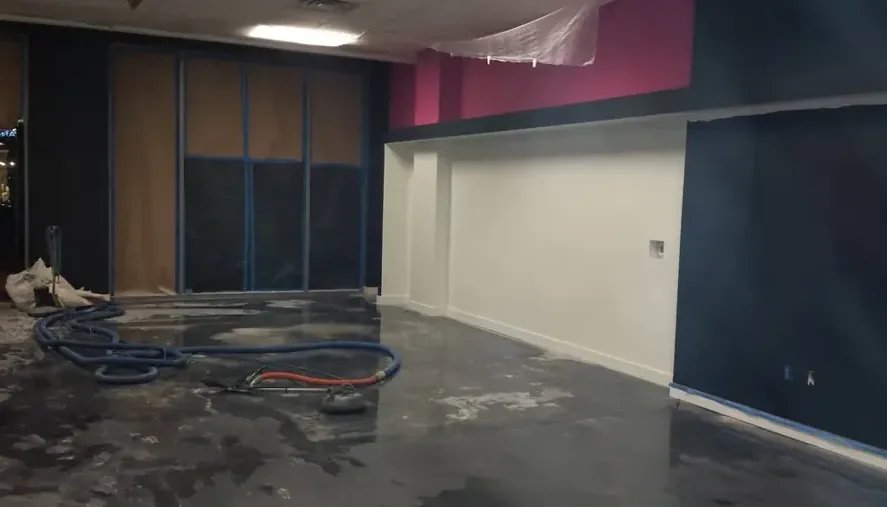
Once debris and unsuitable materials are removed, the exposed structure can be measured and drying equipment arranged around the remaining wet layers. The water extraction service addresses accessible liquid recovery; the rest of the scope depends on what the floodwater reached. A final repair plan should account for both the moisture condition inside and the source work needed to prevent the same opening from admitting more water.
Storm flood cleanup across Tigard
Storm cleanup planning includes properties around Woodard Park, Grant Avenue and Milton Court, with residential assessments for Tigard ZIP areas 97223 and 97224.
The same service nearby: storm flood cleanup in Tualatin, Lake Oswego, Sherwood.
Water damage restoration in Tigard · every neighborhood covered
Related water damage services in Tigard

Storm Flood Cleanup questions in Tigard, OR
Can outside water be treated like a supply leak?
Exterior water may collect contaminants before entering the building. Its contact with finishes and belongings needs assessment before retention or ordinary drying methods are chosen.
Why is mud still present after pumping?
Pumping removes liquid but can leave settled sediment in joints and recesses. Exposed surfaces and concealed pockets may require additional access and cleaning.
Should soaked furniture be moved into another room?
Moving it can transfer residue to dry areas. The handling plan should consider material type, weight and water contact before furniture crosses the cleanup boundary.
Will opening windows finish the drying?
Wet floor and wall layers need direct assessment even when fresh air circulates through a room. Material measurements determine whether controlled drying and further access are needed.
Does the estimate include stopping exterior entry?
The scope should identify any separate drainage or building repair. Interior cleanup addresses damage already present, while source work addresses continued or repeated entry.
When can a new floor covering be installed?
The underlying assembly needs suitable moisture conditions and completed cleaning. Covering a damp or dirty layer can conceal problems that should be resolved beforehand.
Address the residue as well as the water
A room by room inspection helps connect material removal, cleaning and drying with the path the stormwater took indoors.