Ceiling Leak Water Damage in Lake Oswego
A dark ceiling patch can hide a wider wet cavity, and a sagging finish needs space below it kept clear. Recovery begins by locating the source and assessing overhead stability before opening or drying the assembly.
(888) 373-8814Discuss the stained or sagging ceiling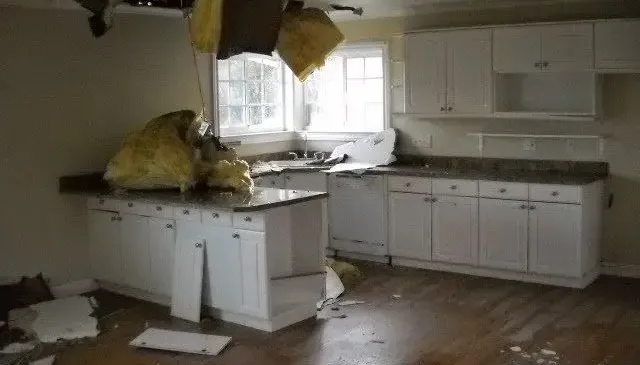
A ceiling stain identifies where water became visible, which may be far from the opening that admitted it. Water can move along framing or the back of a finish before collecting at a seam. A bulge or sag deserves immediate separation of the space below, without climbing underneath to press or puncture it. In Lake Oswego, ceiling recovery should connect that safety assessment with a source investigation, followed by careful inspection of the wet layers above the room rather than a paint only response.
- The restoration team marks wet boundaries before placing drying equipment.
- Source water, contamination and material condition determine the removal scope.
- Documented material readings, checked against an appropriate dry reference, determine completion.
What does ceiling leak water damage cost in Lake Oswego, OR?
Ceiling leak cleanup in Lake Oswego varies with overhead access, insulation condition and moisture spread. The ranges below distinguish a reachable patch from broader cavity involvement; source repair and replacement ceiling finishes should remain clearly identified within estimates.
Small accessible ceiling area
- Localized overhead opening
- Limited wet backing
- Focused cavity checks
Room-wide cavity moisture
- Broader insulation assessment
- Connected framing drying
- Wall junction inspection
Multiple affected rooms
- Several overhead surfaces
- Wider protective setup
- Extended material monitoring
Ranges are typical, not a quote: category of water, square footage, material class and how fast drying started move the number most. Run the water damage cost calculator for a closer range.
How ceiling leak water damage is handled in Lake Oswego
The tech who does the walkthrough maps moisture through the affected assembly and records a dry comparison. The drying team adjusts airflow and humidity control after each inspection, then confirms the material goal before removing equipment.
- 1
Evaluate stability and source
Assess overhead condition and nearby utilities, then investigate the water route before planning a controlled opening or removal of unstable ceiling material.
- 2
Expose affected ceiling layers
Inspect insulation, framing and adjoining junctions after unsuitable finishes are removed, establishing the moisture boundary above and beside the occupied room.
- 3
Dry accessible retained structure
Use the opened cavity to reach damp surfaces, adjusting equipment and access when readings identify slower recovery at enclosed margins.
- 4
Check the complete repair area
Confirm drying and source correction, then identify ceiling replacement and connected wall or floor repairs needed to finish the affected space.
Start above the mark and follow the assembly
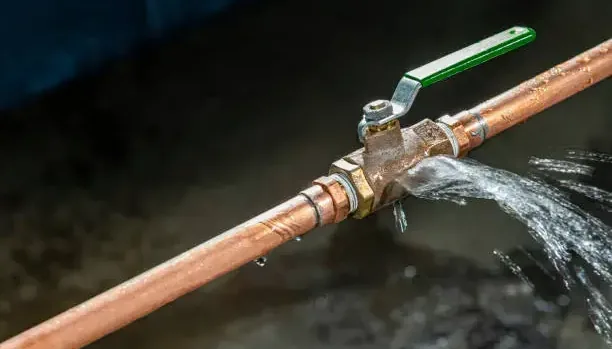
A ceiling below plumbing calls for a different source check from a ceiling directly beneath roof space. City guidance on exterior wall pipe freezing also makes supply damage a relevant possibility when dripping follows warming temperatures. The cause at an Evergreen property must be established from the actual assembly. A Lakewood ceiling or Hallinan Heights room needs the same attention to water travel through adjacent framing, not an assumption based on the stain's shape.
- Keep furniture and occupants away from visibly sagging overhead finishes.
- Report nearby light fixtures before any wet ceiling opening is planned.
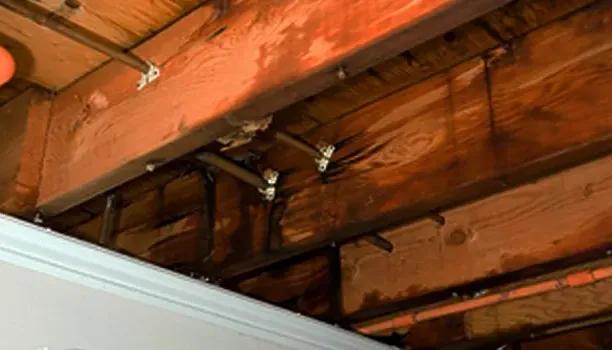
- Check insulation above the stain for trapped or spreading water.
- Inspect adjoining wall tops where moisture leaves the overhead cavity.
Make openings serve inspection and controlled removal
Damaged ceiling material can lose strength, and wet insulation can add weight or conceal damp framing. The removal plan should establish safe handling and identify how much access is necessary. Openings should expose the affected layers for cleaning and drying while preserving sound areas that remain suitable. A plumbing repair hole and the full mitigation boundary are often different shapes because they solve different access problems.
When rain is the source, the roof entry cleanup service addresses the route from the exterior into attic and ceiling materials. Source correction needs coordination before new ceiling finishes are installed.
Decide readiness before covering the evidence
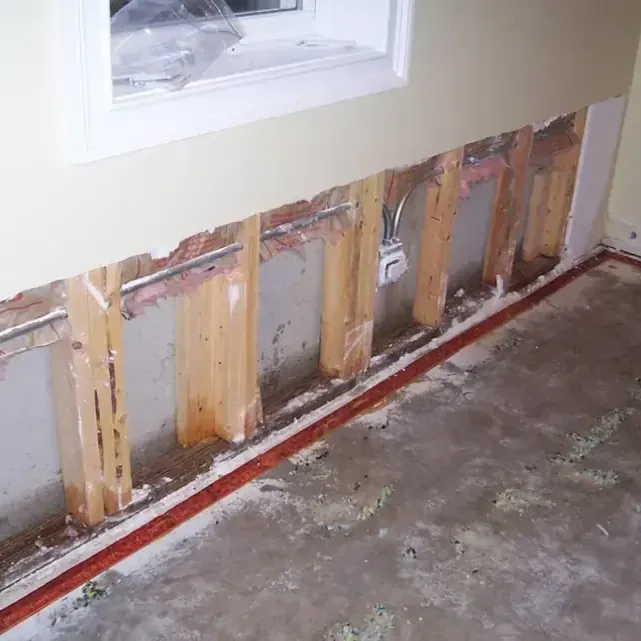
Drying should be assessed at the retained framing and cavity margins, not merely at the room's painted surface. A drying record helps determine whether adjacent spaces need attention and when insulation or finishes can return. The final repair scope should identify any wet wall junctions and floor damage below, so the ceiling patch does not become the only repaired part of a broader overhead release.
Ceiling leak water damage across Lake Oswego
Overhead damage assessments include Evergreen, Lakewood and Hallinan Heights, with ceiling condition, rooms above and any ongoing dripping used to prioritize the inspection.
The same service nearby: ceiling leak water damage in Tualatin, Tigard, Oregon City.
Water damage restoration in Lake Oswego · every neighborhood covered
Related water damage services in Lake Oswego
Ceiling Leak Water Damage questions in Lake Oswego, OR
Should a bulging ceiling be punctured to drain it?
A bulge can involve unstable material and nearby electrical components. Keep the area below clear and obtain an overhead assessment before attempting to open or drain it.
Can the stain sit away from the original leak?
Water can follow framing and collect at a joint before appearing below. Source tracing should extend beyond the visible mark into the connected overhead assembly.
Why inspect insulation if only the paint looks damaged?
Insulation can retain moisture above a small visible mark. Checking that concealed layer helps determine whether the ceiling needs opening and how the remaining structure can dry.
Will a stain blocking coating resolve the water damage?
Coating changes appearance but cannot remove cavity moisture or repair the source. Those tasks need completion before a cosmetic ceiling finish is selected and applied.
Does the floor below need to be assessed too?
Dripping water may wet flooring, furniture or wall bases beneath the ceiling. Including those surfaces prevents the overhead repair from overlooking damage caused by the same release.
When is new insulation appropriate after a ceiling leak?
Replacement follows a repaired source and satisfactory drying of the retained cavity materials. Installing insulation over damp framing can obstruct access and conceal unfinished mitigation work.
Resolve the wet cavity before repairing its finish
A Lake Oswego ceiling recovery plan should address safe opening, source control and retained material dryness before painting or replacement begins.