Water Heater Leak Cleanup in Lake Oswego
Water around a heater can run beneath stored belongings before the tank problem is noticed. Cleaning the utility area means checking the floor and adjoining partitions while qualified equipment service addresses the source of the release.
(888) 373-8814Check the wet utility area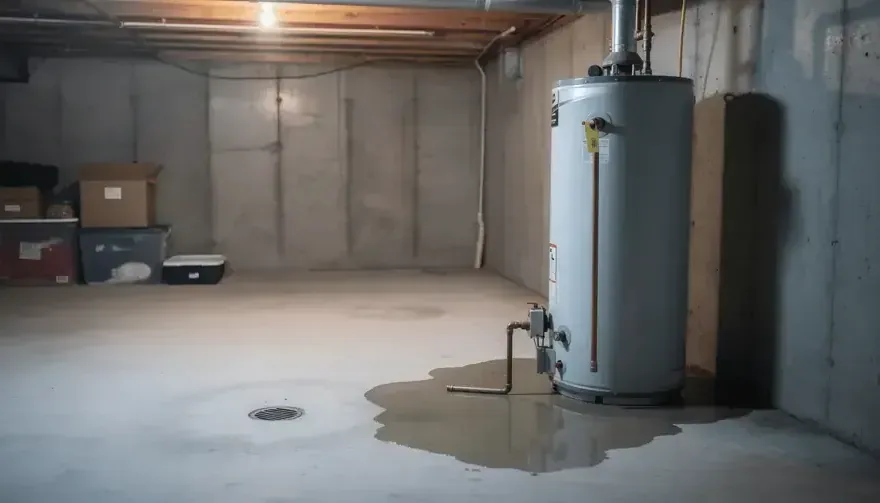
A water heater leak often becomes visible as a narrow trail leading away from the equipment. The water beneath the tank may be harder to see than the wet carton or floor edge that reveals it. Lake Oswego identifies the Clackamas River as its drinking water source; inside the property, a heater failure still requires investigation at the equipment and its connections. Cleanup should begin with safe access and source coordination, then expand across the utility floor according to the actual spread of water.
- The restoration team marks wet boundaries before placing drying equipment.
- Source water, contamination and material condition determine the removal scope.
- Documented material readings, checked against an appropriate dry reference, determine completion.
What does water heater leak cleanup cost in Lake Oswego, OR?
Water heater leak cleanup in Lake Oswego depends on the surrounding floor, nearby partitions and how far water traveled. These ranges cover increasing interior involvement; equipment replacement and later finish repairs should be listed separately from the mitigation scope.
Confined utility-area water
- Exposed floor extraction
- Small storage impact
- Local moisture checks
Water into an adjacent room
- Doorway transition inspection
- Connected finish drying
- Expanded floor recovery
Concealed finish damage
- Trapped layer moisture
- Selective partition access
- More involved material handling
Ranges are typical, not a quote: category of water, square footage, material class and how fast drying started move the number most. Run the water damage cost calculator for a closer range.
How water heater leak cleanup is handled in Lake Oswego
The tech who does the walkthrough maps moisture through the affected assembly and records a dry comparison. The drying team adjusts airflow and humidity control after each inspection, then confirms the material goal before removing equipment.
- 1
Establish safe equipment access
Coordinate heater assessment and utility concerns before selecting a safe route for removal and inspection around the leaking tank.
- 2
Recover water around stored items
Extract accumulation while examining flooring beneath nearby contents and the transitions leading from the utility area into finished rooms.
- 3
Address wet adjoining materials
Evaluate trim, floor layers and partition bases, creating drying access where retained materials remain damp after the exposed surface clears.
- 4
Separate the remaining repair tasks
Record drying progress and distinguish finish and storage losses from equipment service, explaining the full extent of the remaining recovery work.
Separate equipment handling from room recovery
A leaking tank can involve hot water and utility hazards. Controls, fuel connections and electrical components need qualified attention, while cleanup planning identifies safe access around the unit. In Bryant, a wet storage area beside the heater deserves inspection beneath the contents. A Glenmorrie installation with water at a partition needs checks along the wall base. Old Town properties likewise require assessment of the floor that actually surrounds the equipment and the rooms connected to it.
- Keep access clear without touching damaged heater controls or connections.
- Inspect cartons and furniture feet resting beside the wet floor.
- Check where water passed underneath the utility room doorway.
- Include the base of nearby partitions in the moisture assessment.
Look beneath the layers around the tank
A concrete surface can appear manageable while water has already reached a finished floor at its edge. Vinyl, laminate or other layered assemblies need inspection where the release crosses the transition. Wet composite trim may swell, and enclosed cavities can hold moisture even after the exposed utility surface is wiped. The choice to retain or remove a material should follow its condition and access for drying, rather than the size of the original puddle.
Replacement equipment should be coordinated with that access plan. Installing a new unit over an unresolved wet area can make later inspection or finish removal more difficult. The floor extraction service explains the first removal stage when accessible water remains.
Define what remains after equipment service
The final mitigation scope should distinguish the heater repair or replacement from building recovery. Retained floor and wall materials need drying checks, and damaged storage contents need a documented handling decision. A clear finish list identifies trim, flooring or wall repairs still required after the utility area is dry, preventing equipment replacement from being mistaken for completion of the entire water loss.
Water heater leak cleanup across Lake Oswego
Utility area cleanup serves Bryant, Glenmorrie and Old Town, including water beneath stored contents and moisture extending from the heater into adjoining rooms.
The same service nearby: water heater leak cleanup in Tualatin, Tigard, Oregon City.
Water damage restoration in Lake Oswego · every neighborhood covered
Related water damage services in Lake Oswego

Water Heater Leak Cleanup questions in Lake Oswego, OR
Does replacing the heater finish a water loss?
Equipment replacement resolves the failed unit, but nearby building materials can remain wet. The floor, partitions and affected contents need separate inspection and recovery decisions.
Can the concrete around the tank simply be wiped?
Wiping removes surface water but may miss moisture at adjoining finishes or under storage. Inspection should follow the release beyond the exposed concrete around the equipment.
Should wet boxes be left in place until everything dries?
Soaked cartons can obstruct floor access and affect their contents. Document them and arrange appropriate handling so the area beneath can be inspected and recovered.
Can cleanup involve hot water or electrical concerns?
Heater leaks may present both equipment and utility hazards. Avoid touching wet controls or connections and coordinate qualified service before work proceeds near the affected unit.
Why discuss drying before a new tank is installed?
Replacement equipment can cover wet surfaces or restrict access. Coordinating the sequence helps complete necessary floor and wall work before the installation makes those areas harder to reach.
What if water reached the room beside the heater?
The adjoining room becomes part of the assessment. Floor transitions, wall bases and concealed layers need checks even when most water remained near the original tank location.
Recover the floor and walls around the heater
A Lake Oswego utility room dryout should connect safe source service with inspection of adjoining finishes and a clear list of remaining building repairs.