Water Heater Leak Cleanup in Oregon City
Water collecting beneath a heater can spread into a partition or adjoining floor before the tank problem is noticed. Oregon City cleanup examines that surrounding damage while the appliance and its connections receive appropriate source repair attention.
(888) 373-8814Assess the wet utility space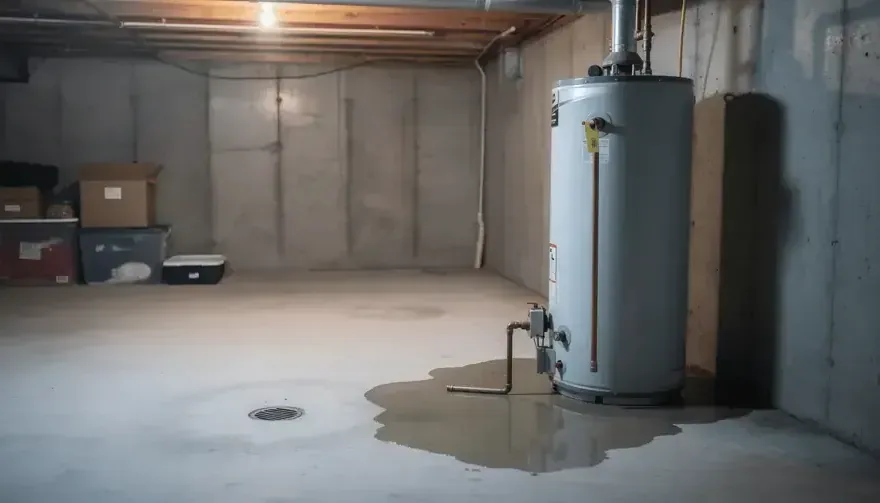
The wet area around a water heater can be harder to inspect than the open floor beyond it. Equipment, stored supplies and nearby walls may hide the route taken by escaping water. An Oregon City cleanup assessment should identify the heater's actual location, the affected surfaces and the access needed to inspect them. The damaged equipment itself needs service by the appropriate repair professional.
- The restoration team marks wet boundaries before placing drying equipment.
- Source water, contamination and material condition determine the removal scope.
- Documented material readings, checked against an appropriate dry reference, determine completion.
What does water heater leak cleanup cost in Oregon City, OR?
Water heater leak cleanup in Oregon City depends on the wet footprint around the equipment and access to concealed finishes. Tank service or replacement is separate from removing water, evaluating surrounding materials and drying the damaged interior space.
Confined utility-area water
- Accessible puddle recovery
- Nearby base inspection
- Focused moisture checks
Water into an adjacent room
- Threshold moisture mapping
- Connected flooring assessment
- Expanded drying placement
Concealed finish damage
- Restricted surface access
- Wet partition evaluation
- Detailed repair coordination
Ranges are typical, not a quote: category of water, square footage, material class and how fast drying started move the number most. Run the water damage cost calculator for a closer range.
How water heater leak cleanup is handled in Oregon City
The tech who does the walkthrough maps moisture through the affected assembly and records a dry comparison. The drying team adjusts airflow and humidity control after each inspection, then confirms the material goal before removing equipment.
- 1
Check equipment access
Source service arrangements and surrounding conditions establish safe routes to wet floors, partitions and stored contents.
- 2
Recover escaped water around furnishings
Accessible liquid is removed and nearby contents are evaluated, revealing floor edges or wall bases that need more detailed moisture inspection.
- 3
Reach obstructed materials
Coordinate cleanup with equipment movement so hidden surfaces receive assessment and drying before a replacement heater or new finish blocks access.
- 4
Document the utility area dry out
Moisture readings track retained materials, while the final record identifies completed cleanup and any remaining source service or interior finish repairs.
Keep source service and room recovery connected
Occupants should avoid handling controls while standing in water or working beside unfamiliar equipment connections. The repair arrangement needs to address the source safely before the room can remain dry. Cleanup then follows the water into surrounding materials. A heater replacement may create useful access behind the equipment, but it does not automatically include drying a wet partition, floor edge or concealed base.
- Describe the puddle location and whether water continues to accumulate.
- Keep the equipment service route clear of dry stored items.
- Note water reaching a doorway or appearing beyond the utility area.
- Coordinate removal access with the professional servicing the heater.
Inspect the neighboring surfaces before replacement
Hillendale contains the Clackamas County government campus, Gaffney Lane lies to its south, and Caufield includes Clackamas Community College. At a property in these areas, the room arrangement determines where escaped heater water can travel. A finished wall beside the tank may need moisture checks even if the exposed floor can be wiped dry. Stored cartons and floor coverings can hold moisture against nearby surfaces.
The city's Citizen Self Service Portal accepts residential permit applications and required plans. When heater work requires permitting, the owner and repair professional can coordinate that process alongside the cleanup scope. Interior structural drying remains a distinct task.
Prepare the equipment area for regular use
After accessible water is removed, retained materials need assessment before stored items return or an opening is closed. The completion record should distinguish source service, material removal and drying. If the replacement equipment will obstruct an affected wall or floor section, the sequence should allow that surface to be inspected and treated first.
- Record wet finishes around and beyond the heater footprint.
- Keep replacement scheduling compatible with access needed for drying.
- Identify any remaining finish repair after equipment service is complete.
Water heater leak cleanup across Oregon City
Utility area cleanup serves Hillendale, Gaffney Lane and Caufield in Oregon City, including ZIP 97045, with inspection extending into rooms adjoining the heater location.
The same service nearby: water heater leak cleanup in Tualatin, Lake Oswego, Wilsonville.
Water damage restoration in Oregon City · every neighborhood covered
Related water damage services in Oregon City

Water Heater Leak Cleanup questions in Oregon City, OR
Does replacing the heater dry the surrounding room?
Replacement corrects the equipment issue, while soaked building materials remain a separate concern. Nearby flooring and partitions should be inspected before the area is returned to use.
Can water travel outside the utility closet?
Water can cross thresholds or collect beneath adjoining finishes. The inspection should follow visible spread and check connected materials beyond the original puddle beneath the heater.
Should heater controls be adjusted from the wet floor?
Wet access and unfamiliar equipment connections can be hazardous. Keep clear and arrange appropriate service rather than attempting adjustments while standing beside water affected equipment.
What if the tank blocks damaged material?
Access can be coordinated with source service or replacement. Surfaces behind the equipment should be evaluated when exposed, before a new unit makes inspection difficult again.
Where can residential permit paperwork be submitted?
The Citizen Self Service Portal accepts residential applications and required plans. The owner and repair professional should coordinate any applicable permitting alongside the equipment repair arrangements.
Why keep stored items away during drying?
Boxes and other belongings can obstruct airflow and conceal damp floor edges. Returning storage should follow the material assessment and the completion of necessary cleanup tasks.
Restore the space surrounding the heater
Cleanup can recover escaped water and assess concealed damp surfaces while the equipment service arrangement addresses the source and any required replacement work.