Water Extraction in Lake Oswego
A spreading pool can disappear beneath flooring long before it reaches another doorway. Extraction addresses the removable water first, then checks the edges and lower layers that keep the room wet after the surface clears.
(888) 373-8814Discuss the standing water
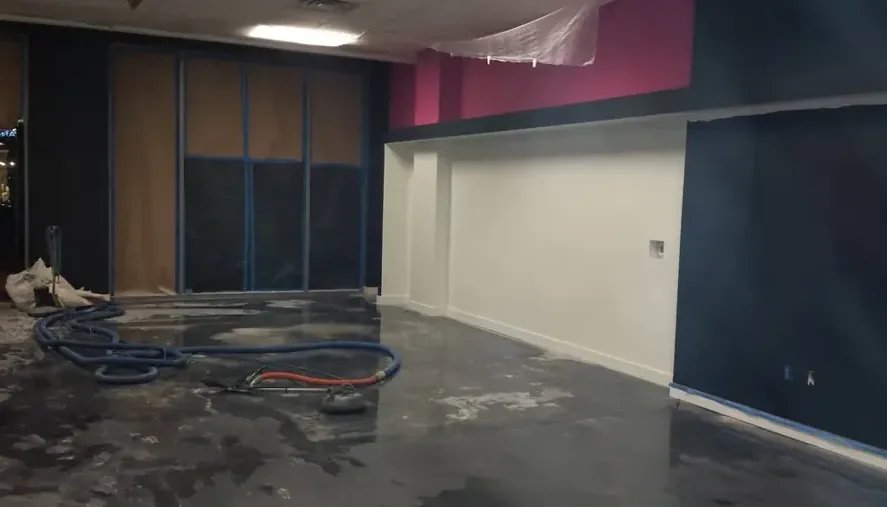
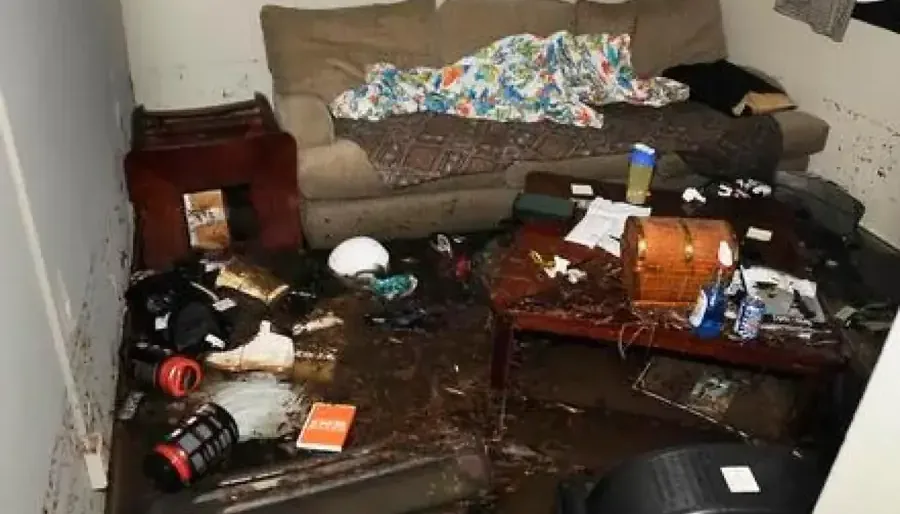
Removing standing water changes what can be inspected. A submerged threshold hides the direction of travel, while soaked carpet can conceal a wet pad beyond the visible puddle. In Lake Oswego, the February 1996 flood around Oswego Lake affected both basements and boathouses. That history illustrates the importance of looking below the obvious water surface. Present cleanup begins with the actual source, water condition and safe route into the room, followed by a removal method suited to the depth and available discharge arrangements.
- The restoration team marks wet boundaries before placing drying equipment.
- Source water, contamination and material condition determine the removal scope.
- Documented material readings, checked against an appropriate dry reference, determine completion.
What does water extraction and removal cost in Lake Oswego, OR?
Water extraction in Lake Oswego varies with depth, floor coverings, access and water quality. The planning ranges below reflect increasing removal complexity; concealed moisture, disposal needs and subsequent drying can change the scope after inspection.
Small clean-water area
- Shallow accessible accumulation
- Limited affected finishes
- Nearby moisture inspection
Several connected rooms
- Wider floor spread
- More extraction access
- Connected material assessment
Deep or complex loss
- Deeper standing water
- Difficult equipment positioning
- Additional contaminated material handling
Ranges are typical, not a quote: category of water, square footage, material class and how fast drying started move the number most. Run the water damage cost calculator for a closer range.
How water extraction and removal is handled in Lake Oswego
The tech who does the walkthrough maps moisture through the affected assembly and records a dry comparison. The drying team adjusts airflow and humidity control after each inspection, then confirms the material goal before removing equipment.
- 1
Classify before removal
The assessment establishes water origin and hazards, then identifies extraction areas and the surfaces requiring more careful handling.
- 2
Recover the accumulation
Suitable pumps and extraction tools remove accessible water while the team checks whether continuing inflow is changing the boundary.
- 3
Inspect exposed margins
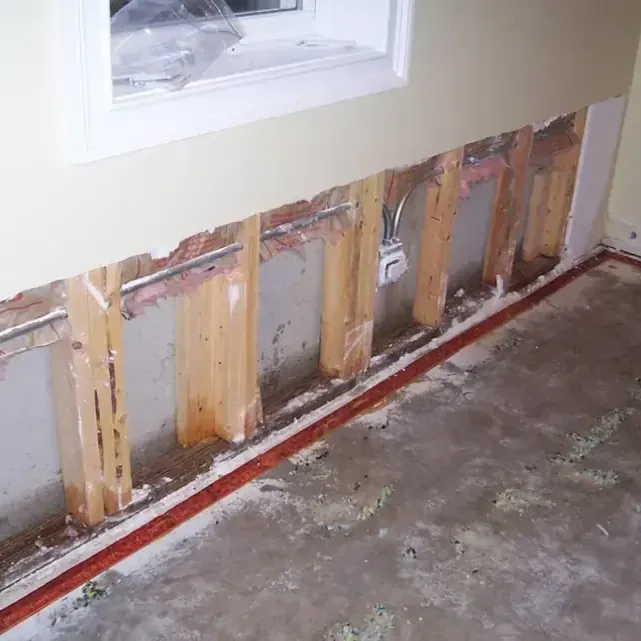
Cleared surfaces allow closer inspection of floor joints, wall bases and padding that were difficult to assess beneath standing water.
- 4
Specify the remaining dryout
A moisture based plan identifies retained assemblies, monitoring needs and any additional access required before final repairs can be scheduled.
Start with the route water has taken
A supply leak in Lake Grove needs attention at the valve and across every floor transition reached by the release. In Bryant, an affected room may also require a check behind stored contents before the wet boundary is marked. Lakewood properties receive the same material based assessment: water location, rather than the position of furniture, determines where inspection should extend.
- Inspect baseboard joints for moisture beyond the deepest standing pool.
- Check carpet backing and padding before deciding what can remain.
- Locate electrical hazards before a pump or extraction hose enters.
- Plan equipment movement without carrying dirty water into dry rooms.
Removal equipment cannot finish every layer
Pumping addresses deeper accumulation, while extraction tools recover water closer to the floor surface. Neither action alone establishes that a layered floor is ready for use. An impermeable finish can hold moisture underneath, and swollen composite materials may need removal rather than continued drying. Those decisions should be explained before the room is treated as a simple equipment placement job.
Oswego Creek carries lake discharge toward the Willamette River. Exterior water entering a building calls for a contamination assessment alongside extraction, including any sediment left behind after pumping. Clean plumbing water and outdoor floodwater should not receive an identical material retention plan.
Leave the room ready for measured drying
After extraction, the remaining moisture map determines where air movement and dehumidification belong. Equipment should address retained materials and concealed margins, with progress recorded during the dryout. The structural drying service explains that next stage. A clear handoff identifies what was removed, what remains damp and which source repairs still need completion before the recovered space can be finished.
Water extraction and removal across Lake Oswego
Extraction assessments cover Lake Grove, Bryant and Lakewood, with access and water depth discussed before equipment is positioned inside the affected property.
The same service nearby: water extraction and removal in Tualatin, Tigard, Oregon City.
Water damage restoration in Lake Oswego · every neighborhood covered
Related water damage services in Lake Oswego
Water Extraction and Removal questions in Lake Oswego, OR
Will pumping remove moisture under a floating floor?
Pumping clears accessible water, but moisture beneath the floor may remain. Edge inspection and material readings determine whether lifting or selective removal is necessary.
Can stored boxes stay beside the extraction area?
Dry belongings should be separated from the wet work route. Boxes resting on a damp floor need inspection before they are relocated into an unaffected room.
Does clear looking water always mean a clean loss?
Appearance alone cannot identify the water category. The source and conditions of contact determine cleaning needs and whether affected porous materials can reasonably be retained.
What happens when water keeps returning after removal?
Continuing accumulation requires another look at the source, drainage or trapped water pathway. Repeated extraction without addressing inflow leaves the underlying problem unresolved.
Is carpet automatically discarded after water extraction?
Retention depends on water quality, backing condition, elapsed exposure and access to the pad. The assessment should explain which layers can be cleaned and dried.
When does drying begin after extraction?
Drying starts once source control, removal and necessary cleaning allow it. Equipment placement follows the moisture still present rather than the former puddle outline.
Clear the accumulation and locate what remains
Lake Oswego floor recovery begins with safe removal and continues with inspection of damp edges, padding and concealed materials.