Burst Pipe Water Damage in Sherwood
Stopping a pipe release changes the emergency, but it does not empty the walls or floor beneath it. Sherwood burst pipe cleanup follows escaped water from the failed connection into adjoining finishes and concealed structural spaces.
(888) 373-8814Plan cleanup after the pipe break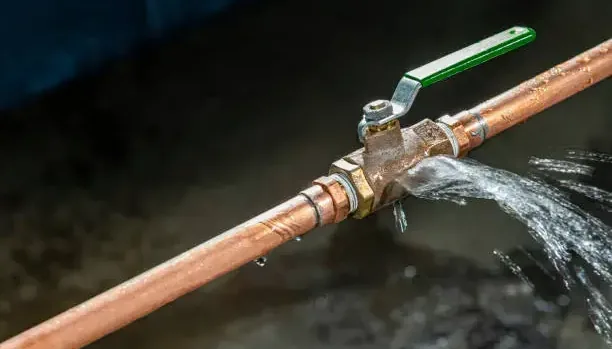
Sherwood advises shutting off water at the valve when a pipe breaks, along with the circuit breaker or gas to the water heater. Controls that require entry into standing water should be left for qualified assistance. Once the supply is isolated, the restoration question shifts: where did the released water go? A small opening in a wall can feed a much larger wet area behind trim and beneath the floor.
- The restoration team marks wet boundaries before placing drying equipment.
- Source water, contamination and material condition determine the removal scope.
- Documented material readings, checked against an appropriate dry reference, determine completion.
What does burst pipe water damage cost in Sherwood, OR?
Burst pipe cleanup in Sherwood varies with water spread, concealed saturation and access for extraction and drying. The ranges below describe interior damage levels. A written scope should separately explain plumbing repair, finish removal and later reconstruction costs.
Localized pipe release
- Accessible wet area
- Limited finish involvement
- Focused extraction work
Wall and adjoining room
- Wet cavity inspection
- Connected floor layers
- Additional drying access
Water across levels
- Ceiling and floor checks
- More removal decisions
- Several equipment zones
Ranges are typical, not a quote: category of water, square footage, material class and how fast drying started move the number most. Run the water damage cost calculator for a closer range.
How burst pipe water damage is handled in Sherwood
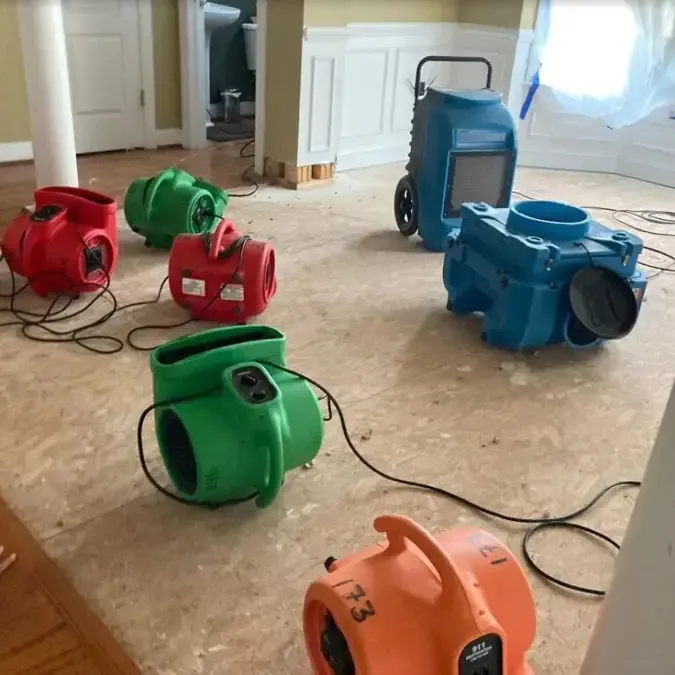
The tech who does the walkthrough maps moisture through the affected assembly and records a dry comparison. The drying team adjusts airflow and humidity control after each inspection, then confirms the material goal before removing equipment.
- 1
Connect the source observations
Record the failure location, isolation status and visible migration to define the boundary for restoration work.
- 2
Recover escaped supply water
Extraction addresses reachable liquid while wet contents and finishes are evaluated for relocation, retention or removal within the affected rooms.
- 3
Reach saturated concealed materials
Inspection openings and measurements clarify the condition of framing, insulation and floor layers that the plumbing repair alone cannot address.
- 4
Record readiness for finish work
Drying observations and remaining repair items support a handoff that separates restored material condition from the appearance of newly installed finishes.
The plumbing opening is only a starting point
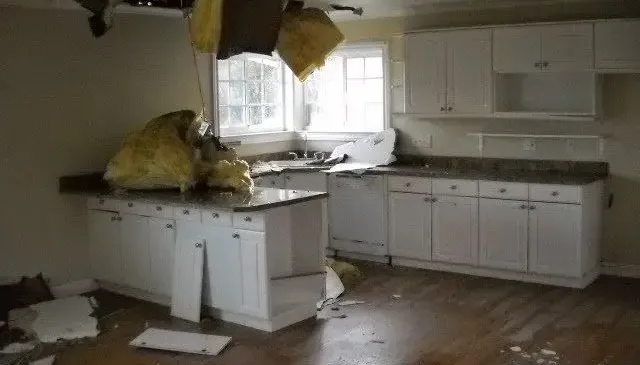
A repaired joint may be accessible through a compact opening, while adjacent insulation and framing remain wet. Restoration inspection follows the pipe release downward and sideways through the assembly. A cabinet back, closet base or ceiling below may provide the next visible clue. Each proposed opening should have a clear purpose, such as exposing saturated insulation or making a wet floor edge reachable.
- Compare moisture near the break with adjoining wall and floor surfaces.
- Check rooms below the release when the layout permits water migration.
- Record which finishes obstruct inspection before deciding on selective removal.
Organize access while repairs are coordinated
A property near Old Town can identify the room and shutoff location before the assessment. Around Pinot Glen Subdivision or Cannery Square, the same useful information is the accessible entrance, affected level and whether water remains active. The plumbing repair and interior restoration scopes should explain their separate tasks, especially when equipment must remain in an occupied home.
Contents along the wet path need attention too. Furniture bases and stored items against walls can conceal pooled water or obstruct drying access. Relocation should protect unaffected rooms and avoid damaging softened floor finishes.
Make the drying endpoint visible in the record
Extraction handles open water, while measurements determine what remains in absorbent materials. Retained framing and floor layers need a drying plan appropriate to their access and condition. Replacement board and trim should follow that assessment. The handoff can then describe the repaired source, removed materials and remaining reconstruction tasks without treating a successful plumbing repair as proof that every surrounding surface is ready to close.
Burst pipe water damage across Sherwood
Pipe loss assessments include Sherwood ZIP 97140, with property access arranged around Old Town, Pinot Glen Subdivision and Cannery Square according to the affected entrance.
The same service nearby: burst pipe water damage in Tualatin, Wilsonville, Tigard.
Water damage restoration in Sherwood · every neighborhood covered
Related water damage services in Sherwood

Burst Pipe Water Damage questions in Sherwood, OR
Does a repaired pipe end the water damage?
The repair stops the source. Water already absorbed by surrounding materials still needs assessment, removal where appropriate and drying before finishes are replaced or enclosed.
Why inspect a room beside the break?
Water can travel along floor layers and wall bases. An adjoining room may receive moisture even when the failed connection is located elsewhere in the building.
Should a wall be opened immediately?
Access decisions should follow safety and moisture assessment. The goal is to expose affected materials where needed while keeping each removal decision tied to an observed condition.
Can furniture remain against the wet wall?
It may obstruct inspection and retain moisture against finishes. Accessible items can be assessed for protected relocation so the wall and furniture bases receive attention.
What records should accompany the plumber's invoice?
Room photographs, the initial wet boundary and restoration estimates help describe the interior consequences. Keep those documents together with the source diagnosis and repair details.
Will all wet flooring require replacement?
Material, contamination, saturation and construction determine that decision. Testing and access assessment help distinguish potentially retainable layers from damaged finishes that need removal.
Trace the damage beyond the repaired pipe
A clear scope follows water through connected materials and explains the access needed before drying and finish replacement can proceed.