Water Extraction in Sherwood
Water across a floor blocks normal use long before the full damage is visible. Extraction in Sherwood starts by identifying a safe removal route and checking which surrounding materials have already absorbed the release.
(888) 373-8814Arrange removal of the standing water
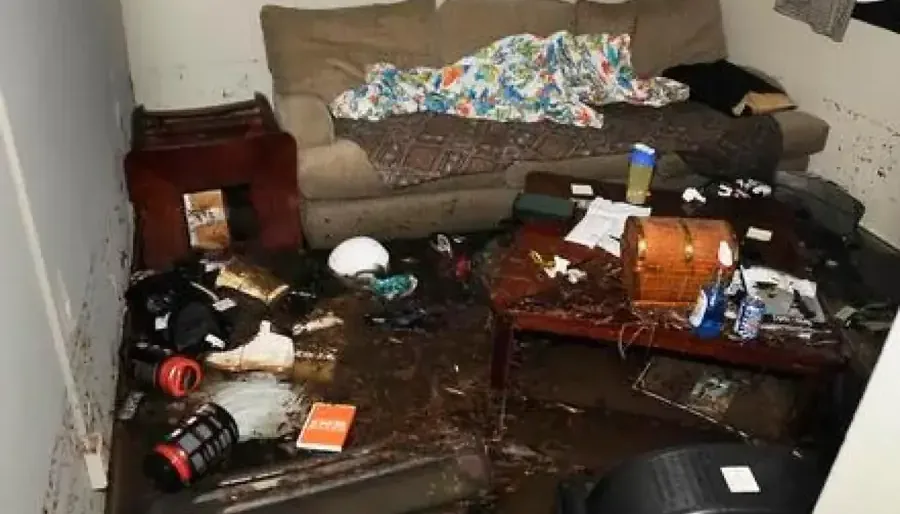
Sherwood's curbside leaf collection reduces flooding from clogged storm drains. When drainage water has already entered a room, the immediate indoor task is to remove the liquid without spreading residue into dry space. A room near Old Town may present different access constraints from one near Woodhaven Park, but extraction decisions still begin with the source, electrical conditions and materials underfoot. The puddle's boundary is only the first inspection boundary.
- The restoration team marks wet boundaries before placing drying equipment.
- Source water, contamination and material condition determine the removal scope.
- Documented material readings, checked against an appropriate dry reference, determine completion.
What does water extraction and removal cost in Sherwood, OR?
Sherwood extraction costs reflect floor area, depth, contamination and how easily equipment reaches the water. The ranges below address removal conditions; material disposal, extended drying and source repair should be identified separately in the written estimate.
Small clean-water area
- Accessible floor surface
- Limited liquid volume
- Short removal route
Several connected rooms
- More wet transitions
- Additional contents handling
- Multiple extraction positions
Deep or complex loss
- Difficult equipment access
- Broader water spread
- Complex removal conditions
Ranges are typical, not a quote: category of water, square footage, material class and how fast drying started move the number most. Run the water damage cost calculator for a closer range.
How water extraction and removal is handled in Sherwood
The tech who does the walkthrough maps moisture through the affected assembly and records a dry comparison. The drying team adjusts airflow and humidity control after each inspection, then confirms the material goal before removing equipment.
- 1
Establish the wet boundary
Inspection records visible water and adjacent material readings to identify where the release has traveled through connected spaces.
- 2
Select the removal method
Equipment selection follows the surface, depth and contamination conditions rather than treating every floor with the same extraction approach.
- 3
Recheck the remaining layers
After the open water is removed, floor edges and absorbent assemblies receive attention for retained moisture and access needs.
- 4
Document the drying handoff
The remaining wet materials and proposed drying zones are described so the next stage follows a clear room assessment.
Choose removal around the surface
Carpet, hard flooring and bare concrete release water differently. Extraction equipment should suit the material and available access. Saturated cushioning can retain water beneath a carpet that feels less wet after a surface pass. Seams in a finished floor may allow liquid to reach the underlayment, where additional access or material removal becomes necessary. Furniture feet and wall edges also deserve examination before equipment moves out.
- Check whether the source has stopped before estimating the remaining volume.
- Keep hoses away from clean circulation routes wherever the layout permits.
- Record wet baseboards and door transitions beyond the central puddle.
Follow water beyond the open floor
A request from a property near Cannery Square should describe the affected level and entrance, together with any water beneath cabinets or furniture. That information helps plan access rather than assuming every wet surface can be reached directly. Water can collect at thresholds and travel beneath floor coverings before becoming visible in another room. Inspection should follow those connected assemblies.
Contamination changes the approach. Exterior runoff and backed up drains need handling that accounts for what the water contacted. Ordinary household fans should stay out of a suspected contaminated area until conditions have been assessed.
Move from extraction to a drying plan
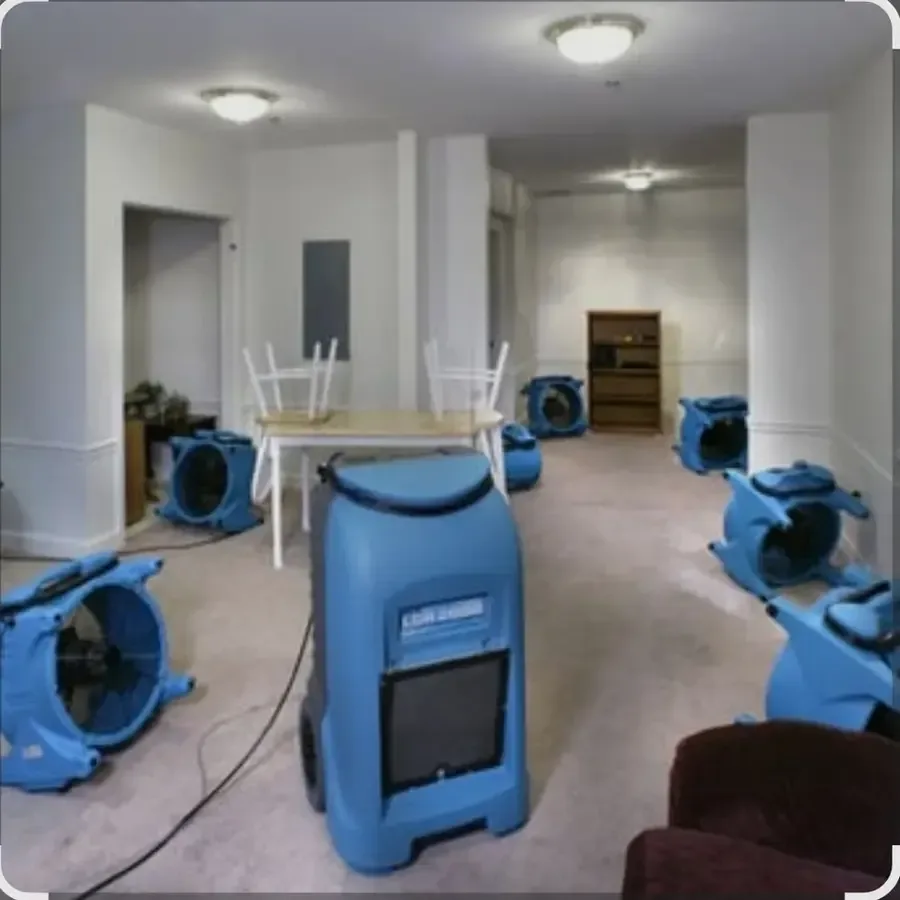
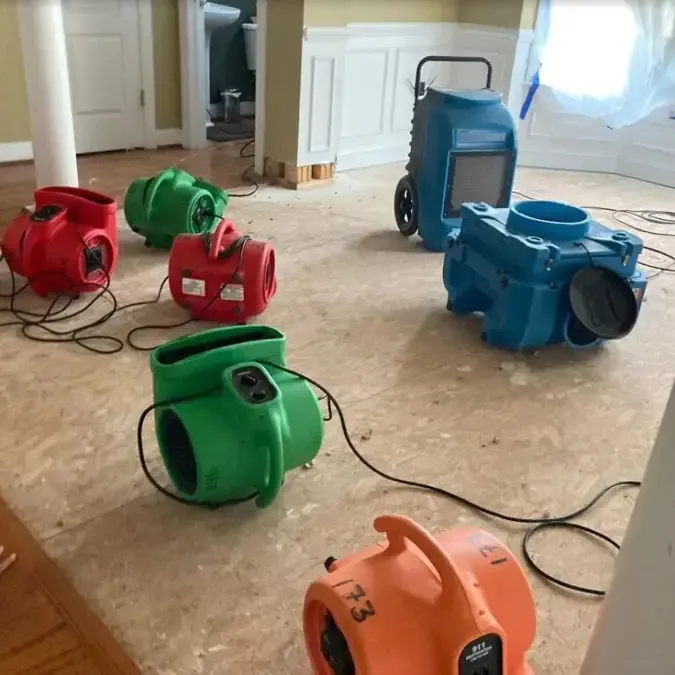
Removal of pooled water reduces the liquid load but leaves moisture inside absorbent building materials. The next decision is which components can remain and how their condition will be monitored. A written handoff should identify wet layers, inaccessible areas and any removal needed before structural drying. Photographs and initial measurements provide a useful comparison as the affected floor and surrounding structure dry.
Water extraction and removal across Sherwood
Extraction assessments cover Sherwood properties in 97140, including access planning around Old Town, Cannery Square and Woodhaven Park when describing the affected building.
The same service nearby: water extraction and removal in Tualatin, Wilsonville, Tigard.
Water damage restoration in Sherwood · every neighborhood covered
Related water damage services in Sherwood
Water Extraction and Removal questions in Sherwood, OR
Can a household vacuum remove the puddle?
Electrical suitability and contamination matter. An ordinary dry vacuum should never handle water; substantial or uncertain losses need assessment before equipment enters the space.
Does carpet always have to come out?
Carpet condition, backing, contamination and underlying cushioning influence salvage decisions. Each layer needs assessment to determine whether it can remain or requires separate removal after extraction.
What if water comes back after removal?
A continuing supply release or exterior entry must be addressed. Repeated pooling calls for source investigation alongside removal of the water already inside.
Will extraction reach beneath cabinets?
Accessible edges can be checked, but enclosed bases may require additional access. The estimate should explain any proposed opening and the materials it exposes.
Should wet belongings be photographed first?
Images taken from a safe dry position help preserve the initial condition. Immediate safety and stopping a controllable release take priority over detailed inventories.
Is drying included with water removal?
The scope should state which services are included. Extraction removes liquid, while drying addresses moisture retained in building materials after the visible water is gone.
Clear the water and assess the layers
A floor can hold hidden moisture after the puddle disappears. Arrange removal with a clear handoff for the remaining wet assemblies.