Burst Pipe Water Damage in Wilsonville
Stopping a broken pipe ends the flow but leaves water inside the assembly it crossed. Burst pipe cleanup in Wilsonville maps that spread and coordinates repair openings with access for removal, inspection and drying.
(888) 373-8814Plan cleanup after a pipe break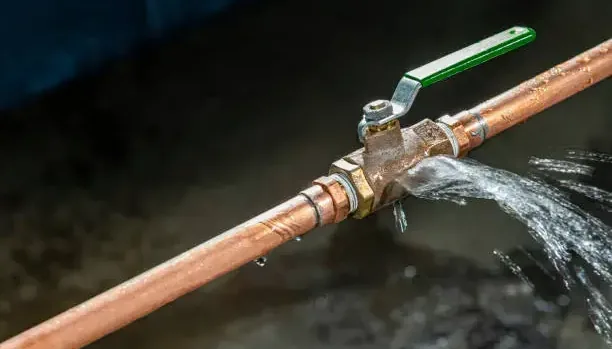
A pressurized release can wet a wall cavity before water becomes visible at the floor. For a Wilsonville property in Villebois, Canyon Creek North or Frog Pond, the assessment should begin at the failed pipe and follow the connected assembly. Water may descend through a cavity, spread beneath flooring or collect above a lower ceiling. The location of the plumbing repair provides a starting point, but the cleanup boundary must include materials reached beyond that opening.
- The restoration team marks wet boundaries before placing drying equipment.
- Source water, contamination and material condition determine the removal scope.
- Documented material readings, checked against an appropriate dry reference, determine completion.
What does burst pipe water damage cost in Wilsonville, OR?
Burst pipe cleanup costs in Wilsonville depend on concealed spread, finish access and the number of assemblies reached. A written estimate should explain water removal and drying separately from the pipe repair, permit work and replacement finishes.
Localized pipe release
- Contained wet area
- Accessible repair opening
- Limited finish disturbance
Wall and adjoining room
- Cavity moisture assessment
- Connected floor exposure
- Selective material removal
Water across levels
- Overhead water migration
- Several drying zones
- Broader access coordination
Ranges are typical, not a quote: category of water, square footage, material class and how fast drying started move the number most. Run the water damage cost calculator for a closer range.
How burst pipe water damage is handled in Wilsonville
The tech who does the walkthrough maps moisture through the affected assembly and records a dry comparison. The drying team adjusts airflow and humidity control after each inspection, then confirms the material goal before removing equipment.
- 1
Connect the break to the damage
Inspection follows the failed pipe into adjoining rooms and cavities, recording materials needing further assessment.
- 2
Remove accessible water promptly
Extraction reduces floor water while the scope identifies finishes or contents that obstruct access to the affected wall and floor layers.
- 3
Expose the drying surfaces
Repair openings and finish removal are coordinated so retained materials receive airflow and repeat moisture measurements through accessible locations.
- 4
Check before rebuilding the assembly
Source repair status, material readings and removal notes give the reconstruction contractor a documented starting condition for closing the affected area.
Coordinate the opening with the repair
The city requires a plumbing permit for alterations to piping inside walls or ceilings or beneath floors. Applications are submitted through the city Online Portal. That repair planning can run alongside mitigation: the plumber needs access to the damaged pipe, while the restoration scope needs enough visibility to identify wet insulation, framing and adjoining finishes.
- Mark the failed component and the direction of visible water travel.
- Check the lower room when water entered an overhead cavity.
- Preserve photographs before repair openings or removed finishes change appearances.
- Keep source repair charges distinct from cleanup and reconstruction costs.
A repaired pipe can sit beside wet materials
Pressure testing or restored water service answers a plumbing question. It does not remove moisture already held in the surrounding assembly. After accessible water is extracted, readings help determine whether retained materials can dry through the repair opening or need additional access. Damaged board products and saturated insulation require their own condition assessment.
Where water has crossed a room, floor extraction can reduce the liquid load before drying equipment is positioned. Furniture bases, thresholds and cabinet edges deserve attention because they can conceal moisture outside the original leak location.
Leave a useful record for reconstruction
Closing a repair opening should follow a check of the materials behind it. The handoff should identify the pipe work completed, finishes removed and moisture locations monitored. That record helps the property owner understand why a wall might remain open after water service returns and what conditions still need attention before paint, trim or flooring is installed.
- Document any inaccessible pocket that remains outside the drying setup.
- Recheck material readings where wet assemblies connect between rooms.
- Schedule finish replacement after the source and drying work align.
Burst pipe water damage across Wilsonville
Pipe release assessments include Villebois, Canyon Creek North and Frog Pond in ZIP 97070, with inspection access planned around affected rooms and concealed plumbing.
The same service nearby: burst pipe water damage in Tualatin, Sherwood, Tigard.
Water damage restoration in Wilsonville · every neighborhood covered
Related water damage services in Wilsonville

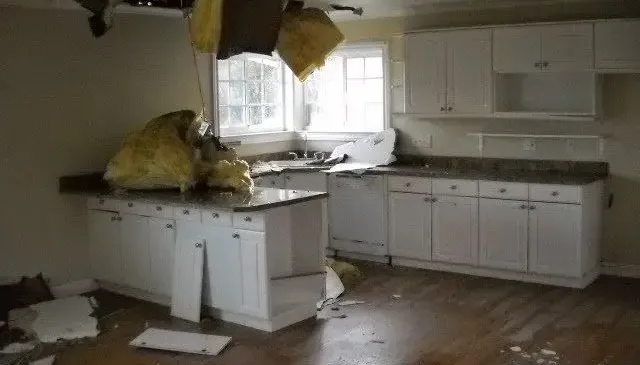
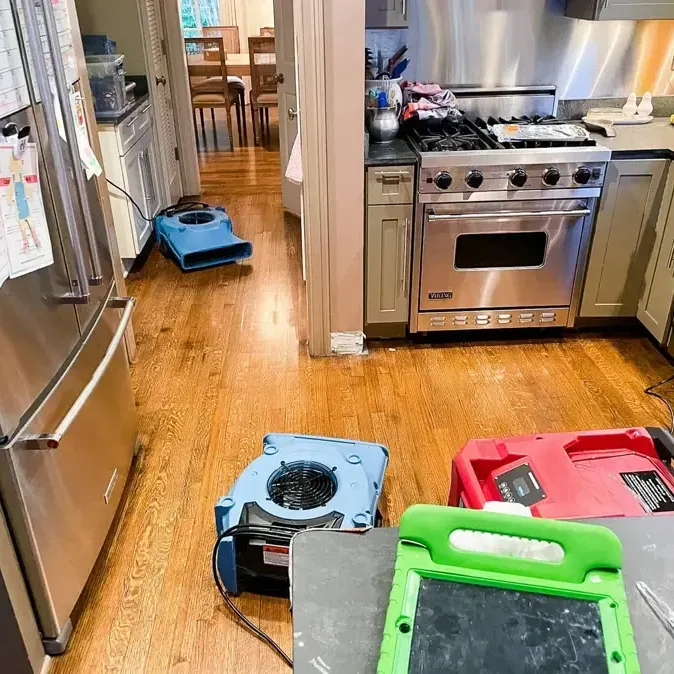
Burst Pipe Water Damage questions in Wilsonville, OR
Does fixing the broken pipe finish the water damage work?
The repair stops the source. Released water can remain in insulation, wall bases or flooring and needs a separate assessment for removal and drying.
Are permits relevant when concealed piping is altered?
Wilsonville requires a plumbing permit for alterations inside a wall or ceiling or beneath a floor. Repair planning should include the applicable city process.
Why inspect a room below the pipe break?
Water can follow openings through an assembly and collect overhead downstairs. The visible failure location may be smaller than the actual damage footprint.
Can a small repair hole provide enough drying access?
Sometimes access is sufficient, but retained moisture and material condition determine the answer. Additional opening may be necessary where wet layers remain isolated.
Should swollen trim be painted after the pipe repair?
Swelling indicates material change that paint cannot correct. The trim and underlying wall edge should be assessed before cosmetic work hides the area.
What should the property manager receive at handoff?
Useful records identify the repaired source, wet material locations, removal work and final drying observations, along with any outstanding access or reconstruction needs.
A stopped leak still needs a drying plan
For Wilsonville properties, cleanup should track the water beyond the repair opening and document retained materials before replacement finishes close the affected assembly.