Commercial Water Damage in Sherwood
A wet business floor affects staff access, stored goods and the rooms needed for daily operations. Sherwood commercial cleanup starts with a defined work boundary and responsible contact, then organizes removal and drying around the actual building layout.
(888) 373-8814Plan the business water recovery scope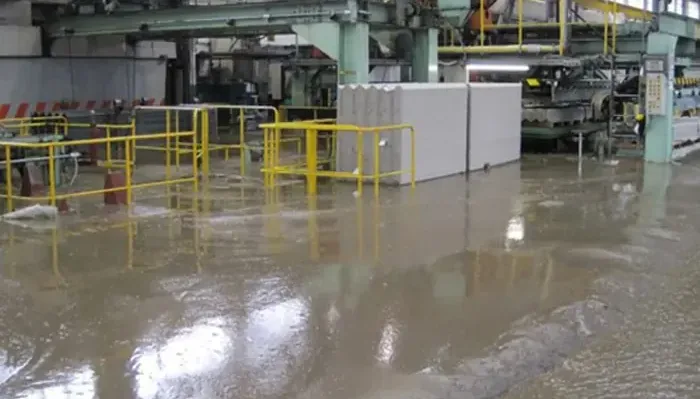
Commercial water damage becomes an access problem as soon as a wet floor separates staff from equipment or stock. The assessment needs an authorized contact who can identify affected rooms, electrical concerns and permitted work areas. In Sherwood, Old Town's strategic plan and the listed Tonquin Employment Area project represent distinct business planning contexts. An individual cleanup scope still begins with the actual occupied space and the water conditions inside it.
- The restoration team marks wet boundaries before placing drying equipment.
- Source water, contamination and material condition determine the removal scope.
- Documented material readings, checked against an appropriate dry reference, determine completion.
What does commercial water damage cost in Sherwood, OR?
Commercial cleanup in Sherwood depends on affected space, contents movement, contamination and access constraints. The ranges provide an initial planning framework. Estimates should separate building restoration, specialized equipment attention and reconstruction while identifying any coordination required among owners and occupants.
Contained business interior
- Limited wet footprint
- Accessible cleanup route
- Focused equipment placement
Several work or retail areas
- More contents coordination
- Connected room inspection
- Expanded drying zones
Broad or contaminated loss
- Controlled debris movement
- Complex occupancy planning
- Broader restoration scope
Ranges are typical, not a quote: category of water, square footage, material class and how fast drying started move the number most. Run the water damage cost calculator for a closer range.
How commercial water damage is handled in Sherwood
The tech who does the walkthrough maps moisture through the affected assembly and records a dry comparison. The drying team adjusts airflow and humidity control after each inspection, then confirms the material goal before removing equipment.
- 1
Establish authority and boundaries
Identify the responsible decision maker, affected operations and safe routes before selecting rooms and assemblies for the initial restoration scope.
- 2
Coordinate contents and extraction
Evaluate stock, fixtures and equipment for appropriate handling while organizing water removal access around the wet or contaminated work area.
- 3
Monitor affected assemblies
Retained floors and walls receive drying attention that accounts for inspection access, equipment placement and occupied spaces adjacent to the work.
- 4
Prepare the repair handoff
Records distinguish completed tasks, remaining drying areas and reconstruction needs so the property contact can coordinate repairs and maintain access restrictions.
Map operations alongside the wet materials
A storage room may need contents relocation before extraction equipment fits through the doorway. A customer area may require a clearly separated route, while a shared entrance can affect several occupants. Sherwood Public Library is another community location that can help describe a property area when arranging a visit. The request should identify usable access and restrictions rather than relying on a landmark alone.
- Identify who may authorize restoration, contents movement and inspection openings.
- Describe critical equipment without energizing devices exposed to water.
- Keep staff circulation outside contaminated or unstable work areas.
Separate building materials from business contents
Water damaged shelving, paper records and stock require different decisions from flooring and wall cavities. The estimate should identify what is included in contents handling and which specialized equipment needs another qualified contact. Photographs and an organized inventory support communication among the occupant, owner and insurer. Shared spaces also need clear boundaries for debris movement and drying equipment placement.
The SW Oregon St Improvements Project includes the section between Langer Farms Parkway and the Murdock Road roundabout. For property access in that area, current entrance instructions from the site contact are useful when coordinating an assessment and keeping service activity away from normal circulation.
Define the handoff by affected area
Water removal, contamination handling and drying may involve different parts of the building at different stages. Any partial use of the premises depends on safe separation and the assessed conditions. The restoration record should distinguish rooms still under treatment from those ready for the next repair task. That clarity helps the business arrange reconstruction without treating equipment removal alone as the endpoint for every affected assembly.
Commercial water damage across Sherwood
Commercial assessments cover Sherwood in 97140, including location planning around Old Town, the Tonquin Employment Area and Langer Farms Parkway for affected business interiors and access routes.
The same service nearby: commercial water damage in Tualatin, Wilsonville, Tigard.
Water damage restoration in Sherwood · every neighborhood covered
Related water damage services in Sherwood

Commercial Water Damage questions in Sherwood, OR
Can the business stay open during cleanup?
That depends on hazards, contamination and the ability to maintain safe separation. The site assessment should establish usable areas rather than promising continued operation before inspection.
Who should authorize work in a leased space?
The tenant and owner should identify the authorized contact and relevant responsibilities. Clear written approval arrangements help coordinate access, building openings and handling of business contents.
Are wet records treated like ordinary debris?
Records and sensitive contents need specific decisions before movement or disposal. The estimate should identify contents handling limits and any separate specialist attention required for the items.
Can employees move wet electrical equipment?
Exposed devices need appropriate qualified assessment before use or movement involving electrical connections. Staff should remain outside wet equipment areas while isolation and safe access are arranged.
How can several affected rooms be organized?
An area based scope can identify contamination, extraction and drying status separately. Any phased use or repair schedule must follow safe access and the assessed material conditions.
What documentation supports the business loss discussion?
Photographs, contents inventories, source repair findings and itemized restoration records help describe the event. Coverage and business interruption decisions belong to the insurer under the applicable policy.
Build a clear commercial restoration sequence
An area specific scope connects removal, contents handling and drying with the access decisions needed for later repairs and safe use of the premises.