Commercial Water Damage in Wilsonville
Water across a business floor can interrupt access before the full material damage is known. Wilsonville commercial cleanup starts by defining the affected work area, authority to approve tasks and the equipment or stock needing protection.
(888) 373-8814Plan the affected business area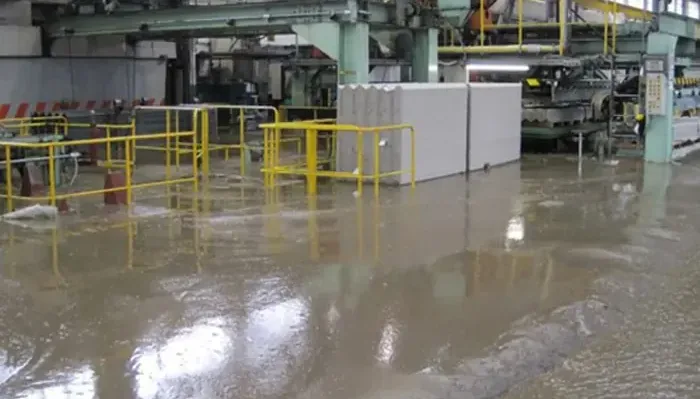
Wilsonville has manufacturing and distribution buildings in industrial parks along Interstate 5, while retail is concentrated along Wilsonville Road near the interchange. Town Center is another named neighborhood. These settings make room use an important part of a commercial loss assessment: water beside stock, beneath an office partition or across an equipment access path creates different working constraints. The cleanup plan should identify the affected interior and the person authorized to approve source repairs, material removal and access to adjoining spaces.
- The restoration team marks wet boundaries before placing drying equipment.
- Source water, contamination and material condition determine the removal scope.
- Documented material readings, checked against an appropriate dry reference, determine completion.
What does commercial water damage cost in Wilsonville, OR?
Commercial water damage cleanup in Wilsonville depends on the affected floor area, material layers, contents access and contamination. The written scope should distinguish building mitigation from equipment servicing, stock replacement, source repairs and the reconstruction needed before full business use resumes.
Contained business interior
- Limited wet zone
- Accessible room finishes
- Focused equipment placement
Several work or retail areas
- Connected interior spaces
- Additional contents coordination
- Broader moisture mapping
Broad or contaminated loss
- Expanded handling controls
- Complex material exposure
- Multiple access responsibilities
Ranges are typical, not a quote: category of water, square footage, material class and how fast drying started move the number most. Run the water damage cost calculator for a closer range.
How commercial water damage is handled in Wilsonville
The tech who does the walkthrough maps moisture through the affected assembly and records a dry comparison. The drying team adjusts airflow and humidity control after each inspection, then confirms the material goal before removing equipment.
- 1
Define authority and affected operations
Assessment establishes the property contact and spaces reached by water, including shared areas needing permission for inspection or access.
- 2
Organize removal around the work boundary
Extraction and material handling follow a documented route that protects dry stock and separates occupied areas from active cleanup.
- 3
Dry the retained building assemblies
Equipment and selective openings reach actual wet layers, with readings tracking progress around partitions, fixed fittings and adjoining rooms.
- 4
Provide a room status handoff
The record identifies cleaned surfaces, material condition and outstanding repairs so the business can coordinate equipment servicing and reopening decisions.
Separate usable space from the wet work area
Staff and customer movement should avoid water, damaged finishes and equipment cords. A business may have dry areas that remain usable, but that decision depends on safe separation and the source of the release. Wastewater or outside floodwater changes the handling plan. The initial scope should describe restrictions clearly enough for the property manager and occupants to coordinate routine access.
- Identify electrical equipment or stored goods within the affected boundary.
- Keep dry stock out of the extraction and disposal route.
- Record any shared room or tenant area requiring access permission.
- Establish who can authorize openings and changes to the cleanup scope.
Match mitigation to the interior assembly
A broad open floor and a series of finished rooms present different access conditions. Inspection should follow water beneath partitions, at flooring transitions and around fixed equipment where moisture can remain out of sight. Removal decisions should account for contamination and material damage. Stock and specialized equipment may need assessment by their appropriate owners or service contacts before movement or reuse.
The structural drying plan should identify retained materials and the locations used to monitor progress, allowing the business contact to understand the status of each affected space.
Make the handoff useful for reopening decisions
Completion notes should connect source correction, cleaning tasks and material condition with remaining repair work. An apparently dry aisle does not describe moisture beneath adjacent finishes. Clear records help the business coordinate reconstruction, equipment servicing and return of contents without confusing a usable route through the room with completion of the entire loss.
- Document the initial footprint before stock or furnishings are relocated.
- Keep equipment service decisions separate from building material drying.
- Check remaining restrictions with the authorized property contact before reopening.
Commercial water damage across Wilsonville
Commercial assessments include Town Center, Wilsonville Road and Interstate 5 business settings within ZIP 97070, with access and authorization arranged for the affected interior space.
The same service nearby: commercial water damage in Tualatin, Sherwood, Tigard.
Water damage restoration in Wilsonville · every neighborhood covered
Related water damage services in Wilsonville

Commercial Water Damage questions in Wilsonville, OR
Who should approve commercial water damage work?
The authorized owner, manager or designated contact should approve the scope and access. Shared or leased spaces may require coordination with additional property representatives.
Can a business continue using unaffected rooms?
That depends on separation, water source and safe routes. The assessment should identify usable areas without sending staff or customers through the wet work zone.
Does the mitigation scope include damaged stock replacement?
Building mitigation and stock decisions should be distinguished. Inventories, photographs and the relevant ownership or claim process help address goods exposed during the loss.
Why inspect beneath partitions after floor water is removed?
Water can enter concealed bases and adjoining finishes. Those materials may retain moisture even after the open floor appears ready for ordinary foot traffic.
Can specialized equipment be returned to service immediately?
The appropriate service contact should evaluate exposed equipment before restart. Building material drying and safe equipment operation require separate decisions within the business recovery plan.
What records help plan the return to normal operations?
A useful handoff identifies source repair status, cleaning completed, material readings and remaining restrictions, allowing the business to coordinate repairs and contents around the actual room condition.
Restore access with a documented room status
Commercial recovery should connect the repaired source, cleaned surfaces and retained material condition with the remaining tasks required for safe use of the affected business interior.