Appliance Leak Water Damage in Tigard
A wet sock beside a dishwasher or washer may be the first sign of water hidden underneath it. Appliance cleanup needs safe access behind the equipment and a check of the floor layers extending beyond it.
(888) 373-8814Discuss the appliance water spread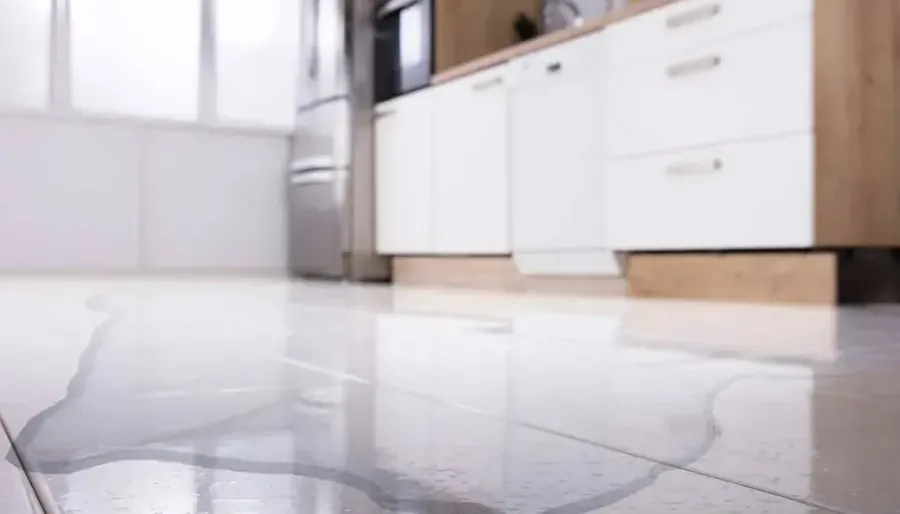
An appliance can hide the area that needs the closest attention. A dishwasher cavity or washer footprint may remain wet after the open floor has been wiped. Appliance leak cleanup in Tigard starts by understanding the equipment's supply, drain and operating status, then arranging safe access to the surrounding building materials. The visible puddle should be treated as an inspection clue rather than the full boundary of the damage.
- The restoration team marks wet boundaries before placing drying equipment.
- Source water, contamination and material condition determine the removal scope.
- Documented material readings, checked against an appropriate dry reference, determine completion.
What does appliance leak water damage cost in Tigard, OR?
Appliance leak cleanup in Tigard varies with access beneath the machine, cabinet involvement and wet floor layers. The estimate should separate equipment repair from the removal, cleaning and drying needed for the surrounding building materials and adjoining rooms.
Accessible laundry or kitchen puddle
- Reachable floor surface
- Limited surrounding contact
- Initial edge inspection
Cabinet and flooring involvement
- Cabinet base checks
- Floor layer access
- Focused drying equipment
Concealed or multilevel damage
- Hidden cavity inspection
- Connected material removal
- Expanded moisture assessment
Ranges are typical, not a quote: category of water, square footage, material class and how fast drying started move the number most. Run the water damage cost calculator for a closer range.
How appliance leak water damage is handled in Tigard
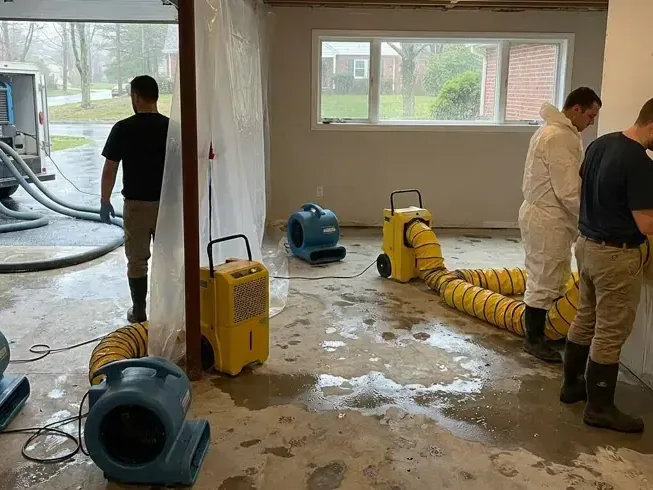
The tech who does the walkthrough maps moisture through the affected assembly and records a dry comparison. The drying team adjusts airflow and humidity control after each inspection, then confirms the material goal before removing equipment.
- 1
Assess operation and isolation
Identify the appliance discharge and repair status, then establish a safe approach to the equipment and the wet area around it.
- 2
Inspect behind the visible puddle
Check the recess, wall base and cabinet edges after safe access is arranged, tracing moisture beneath or beyond the exposed floor.
- 3
Select material access
Explain whether coverings or base components need opening to recover water, clean contacted surfaces or expose retained layers for effective drying.
- 4
Coordinate the return to use
Assess moisture results and remaining access requirements before equipment is returned to position and ordinary use of the room resumes.
Arrange access with the responsible owner
Rented homes are part of Tigard's documented housing mix. At a property near Ash Avenue, a tenant should notify the manager about an appliance leak before attempting to disconnect or move heavy equipment. The person responsible for the appliance and the building needs enough information to coordinate repair, authorize access and assess flooring or cabinet damage. Continued appliance operation can add more water while the original leak remains unresolved.
Wet cords, outlets or controls require caution. Equipment isolation and movement should follow safe conditions instead of relying on a towel placed over the visible water.
Inspect the surfaces ordinary cleaning cannot reach
A kitchen around Grant Avenue may have moisture beneath a cabinet toe space while the exposed walking surface looks clean. Laundry equipment can similarly cover a wet floor edge or wall base. Selected access exposes these areas so the condition of each cabinet and floor covering can be assessed individually. Swelling, loose finishes and material readings help define the actual work.
- Check the appliance recess after safe equipment access is established.
- Inspect nearby cabinet bases where water can collect out of sight.
- Follow wet flooring toward the doorway and any adjoining room.
Match the cleanup to the appliance discharge
At a Hall Boulevard home, a supply connection leak and used wash water may involve different contact conditions. The source investigation helps determine cleaning and material handling before airflow is introduced. The water extraction service covers removal of accessible liquid. Remaining moisture beneath equipment and finishes needs its own drying assessment. Appliance repair should be coordinated with that work so the machine does not return over an area that still needs access.
Appliance leak water damage across Tigard
Appliance loss inspections cover homes around Ash Avenue, Grant Avenue and Hall Boulevard, with residential service access in Tigard ZIP areas 97223 and 97224.
The same service nearby: appliance leak water damage in Tualatin, Lake Oswego, Sherwood.
Water damage restoration in Tigard · every neighborhood covered
Related water damage services in Tigard

Appliance Leak Water Damage questions in Tigard, OR
Can a towel solve a small appliance leak?
A towel may absorb exposed water while leaving moisture beneath the machine or flooring. The source and concealed contact areas still need to be checked.
Should a renter pull out the dishwasher?
Heavy equipment and connected utilities need safe handling. The property manager should coordinate authorization and repair access rather than relying on an unplanned appliance move.
Why check cabinets beside the leak?
Water can enter cabinet bases and enclosed toe spaces before it spreads across the open floor. Those hidden surfaces may need access for inspection or drying.
Does every appliance release require identical cleaning?
The source and water contact differ between a supply leak and used wash water. Material handling and cleaning decisions should reflect the actual discharge.
Can the machine return before flooring is repaired?
That depends on the remaining moisture and access needs. Equipment placement should not cover a wet area that still requires inspection, removal or drying.
What if a ceiling below becomes stained?
The inspection should extend to the lower assembly. Water may have passed through floor openings, creating an overhead moisture problem beyond the appliance room itself.
Look beneath the machine and nearby finishes
Safe equipment access makes it possible to assess the hidden floor and wall surfaces before the room returns to normal use.