Appliance Leak Water Damage in Sherwood
A puddle in front of an appliance can be the exposed edge of water beneath cabinets or flooring. Sherwood cleanup assessment follows those concealed surfaces while repair work identifies whether the leak came from supply, discharge or equipment.
(888) 373-8814Assess water beneath the appliance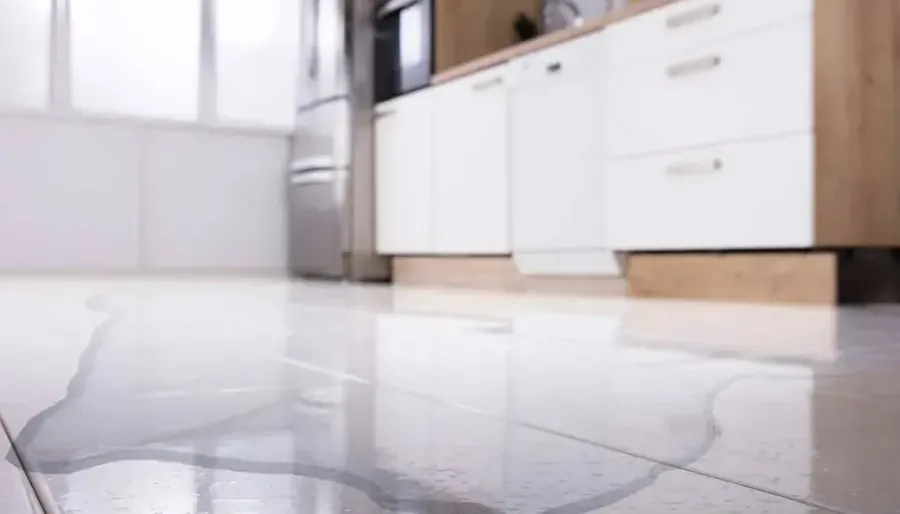
Sherwood reads customer water meters throughout the year, but a household appliance leak needs attention when wetness first appears. A supply connection may seep between uses, while discharge water may emerge only during a cycle. Those different observations help the repair contact investigate the equipment. Restoration follows a separate question: which surfaces have absorbed water underneath and around the appliance, including places a mop cannot reach?
- The restoration team marks wet boundaries before placing drying equipment.
- Source water, contamination and material condition determine the removal scope.
- Documented material readings, checked against an appropriate dry reference, determine completion.
What does appliance leak water damage cost in Sherwood, OR?
Appliance cleanup costs in Sherwood reflect water spread beneath equipment, cabinet involvement and access to floor layers. The ranges describe interior restoration conditions. Equipment repair, replacement parts and finish reconstruction should be separated from extraction and drying in the estimate.
Accessible laundry or kitchen puddle
- Open floor cleanup
- Limited material exposure
- Focused moisture assessment
Cabinet and flooring involvement
- Enclosed base inspection
- Wet floor layers
- Additional removal decisions
Concealed or multilevel damage
- Harder inspection access
- Connected wet assemblies
- Broader drying scope
Ranges are typical, not a quote: category of water, square footage, material class and how fast drying started move the number most. Run the water damage cost calculator for a closer range.
How appliance leak water damage is handled in Sherwood
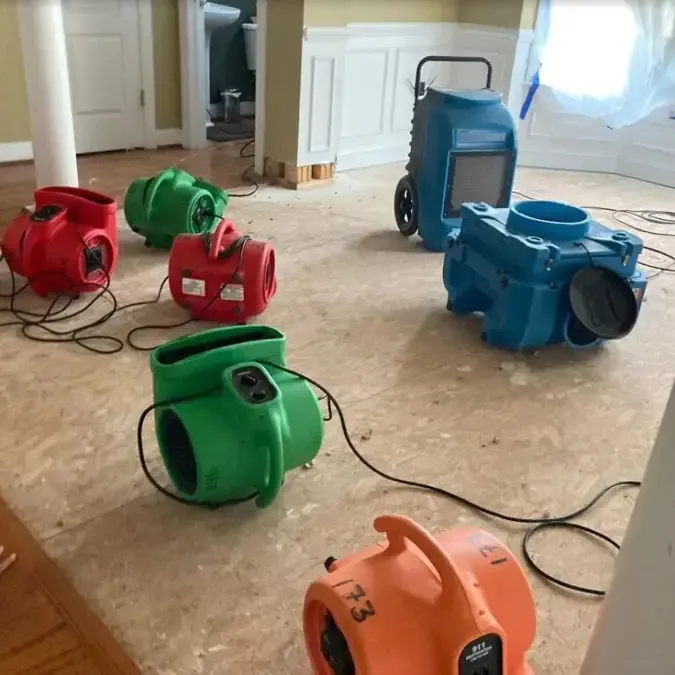
The tech who does the walkthrough maps moisture through the affected assembly and records a dry comparison. The drying team adjusts airflow and humidity control after each inspection, then confirms the material goal before removing equipment.
- 1
Distinguish supply from discharge
Record when water appeared and the appliance operating pattern, supporting suitable cleanup precautions and coordination with the equipment repair contact.
- 2
Reach the concealed footprint
Cabinet edges and equipment surroundings receive inspection, with qualified movement or selective access arranged where hidden surfaces obstruct moisture assessment.
- 3
Evaluate finishes and substrate
Floor coverings, cabinet materials and nearby wall bases are checked so removal decisions follow the observed condition of each component.
- 4
Coordinate drying and reinstallation
Retained materials receive drying attention before equipment or replacement finishes restrict access, with remaining appliance and reconstruction tasks clearly stated.
A dry center can leave wet cabinet edges
Water can collect behind a dishwasher, under a washing machine or along an enclosed cabinet base. After the exposed floor is wiped, those concealed spaces still need moisture testing. Swollen trim, lifting floor seams or damp materials in an adjoining closet can indicate a wider inspection area. Movement of connected equipment should be coordinated so supply hoses, drains and electrical connections are handled appropriately.
- Report whether water appears during operation or when the appliance is idle.
- Inspect accessible adjoining surfaces without reaching behind energized wet equipment.
- Keep the area available after repair for assessment of underlying materials.
Match the cleanup to the released water
Supply water and used appliance discharge have different contact histories. Cleaning and removal decisions should account for that history together with exposure time and material condition. A kitchen in Old Town may need cabinet access planning, while a property near Cannery Square or Meinecke Parkway should describe its particular equipment location and adjacent rooms. The actual layout determines where inspection begins and how the wet layers can be reached.
Cabinet panels and laminated finishes may respond differently from framing or an exposed subfloor. The scope should explain which components can remain and which damaged surfaces obstruct further cleaning or drying.
Close the repair with a floor assessment
An appliance that runs without leaking still leaves the earlier water loss to resolve. Structural drying can address retained materials once extraction and necessary access are complete. Monitoring should include the affected floor edges and nearby wall connections, not just the center of the room. Final repair planning then accounts for any removed trim, cabinet parts or flooring, with moisture findings available before replacement finishes conceal the area again.
Appliance leak water damage across Sherwood
Appliance loss assessments cover Sherwood in 97140, with property entry arranged near Old Town, Cannery Square and Meinecke Parkway for affected kitchens, laundry rooms and adjoining spaces.
The same service nearby: appliance leak water damage in Tualatin, Wilsonville, Tigard.
Water damage restoration in Sherwood · every neighborhood covered
Related water damage services in Sherwood

Appliance Leak Water Damage questions in Sherwood, OR
Can a small appliance puddle conceal broader damage?
Water can travel beneath equipment and floor coverings before reaching the open room. Cabinet edges and adjoining surfaces help establish how far the inspection should extend.
Does turning off the appliance stop every leak?
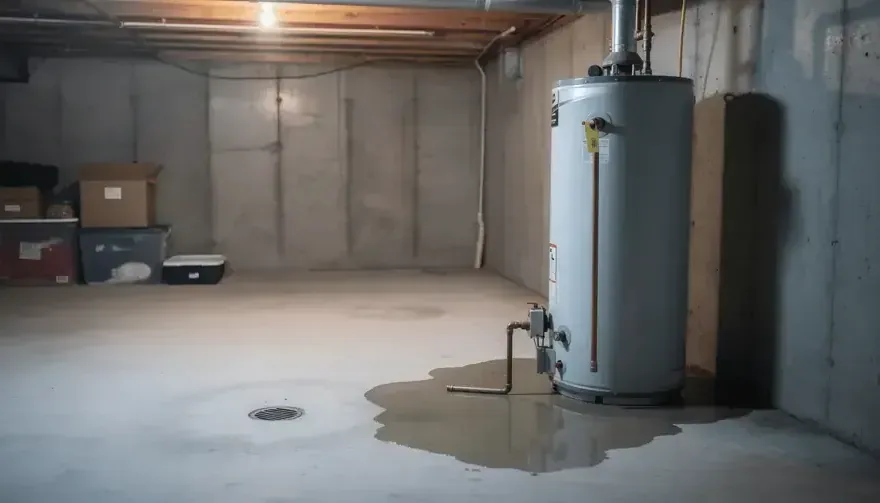
A supply connection may continue releasing water while equipment is idle. Safe valve isolation or qualified assistance may be needed in addition to stopping operation.
Should a dishwasher be pulled out immediately?
Connected plumbing and electrical components require appropriate handling. Movement should be coordinated with qualified repair access so restoration does not create another release or damage the floor.
Can cabinet bases remain after getting wet?
Material type, swelling, contamination and access affect that decision. An assessment should explain whether a component can remain or must be removed to reach wet surfaces.
Why inspect the room below the kitchen?
Water can pass through floor openings and layered assemblies. When signs suggest downward travel, the ceiling and connected spaces below belong in the moisture assessment.
What marks the end of the drying work?
Material readings beneath cabinet bases and repaired appliances support readiness for the next repair task. Recorded observations connect the drying endpoint to the affected layers.
Recover the surfaces beneath the equipment
Coordinated repair access and moisture inspection help resolve the hidden water loss before equipment and replacement finishes close the space again.