Roof Leak Water Damage in Tigard
Rain can leave the roof opening behind and travel along the structure before reaching a ceiling. Interior cleanup follows that route, with roof source control and wet insulation assessment coordinated before hidden materials are covered again.
(888) 373-8814Trace the interior rain path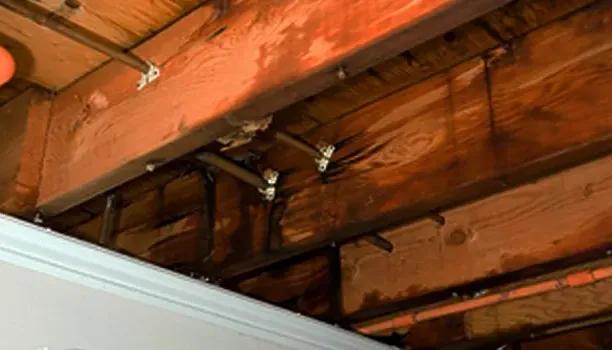
A roof repair and an interior dryout solve different parts of rain damage. Stopping entry prevents additional water, while restoration addresses moisture already absorbed by ceiling finishes, framing and insulation. Roof leak cleanup in Tigard should connect both tasks. The city includes roofs in its description of surfaces crossed by rainfall runoff. Inside a building, the inspection follows the particular opening and the route water took beneath it.
- The restoration team marks wet boundaries before placing drying equipment.
- Source water, contamination and material condition determine the removal scope.
- Documented material readings, checked against an appropriate dry reference, determine completion.
What does roof leak water damage cost in Tigard, OR?
Roof leak cleanup in Tigard depends on interior spread, insulation involvement and access to wet overhead materials. Roof repairs may be estimated separately, while the restoration scope covers necessary removal, drying and documentation of the affected interior assembly.
Limited attic and ceiling area
- Localized wet materials
- Accessible overhead inspection
- Focused drying setup
Broader overhead spread
- Additional insulation assessment
- Connected ceiling access
- Extended moisture mapping
Several interior assemblies
- Multiple wet surfaces
- More complex openings
- Broader retained material drying
Ranges are typical, not a quote: category of water, square footage, material class and how fast drying started move the number most. Run the water damage cost calculator for a closer range.
How roof leak water damage is handled in Tigard
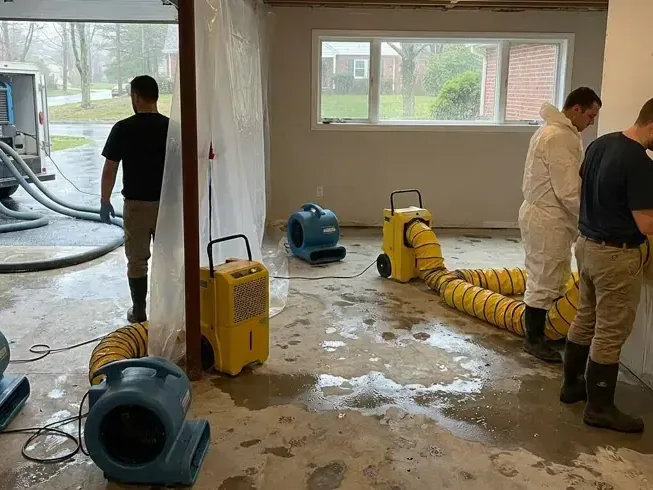
The tech who does the walkthrough maps moisture through the affected assembly and records a dry comparison. The drying team adjusts airflow and humidity control after each inspection, then confirms the material goal before removing equipment.
- 1
Connect symptoms with entry
Assess the timing of rain, the interior marks and the roof repair findings to establish the source status and affected rooms.
- 2
Inspect concealed rain paths
Evaluate accessible framing, insulation and ceiling cavities along the route water traveled, including areas away from the most visible interior stain.
- 3
Remove barriers to effective drying
Explain material removals needed for condition, cleaning or access, then position equipment around retained layers after further rain entry is controlled.
- 4
Document readiness for closure
Compare material readings and record the completed source work so replacement insulation and finish repairs follow the condition of the exposed assembly.
Document the rain pattern from safe interior access
At a property near Cook Park, the timing of dripping can help explain the source investigation. Useful details include whether water appeared during rain, whether the stain expanded afterward and which rooms showed new marks. Occupants should not climb onto a wet roof or enter an attic with uncertain footing, wiring conditions or ceiling support. A roof professional can assess exterior access and source repairs.
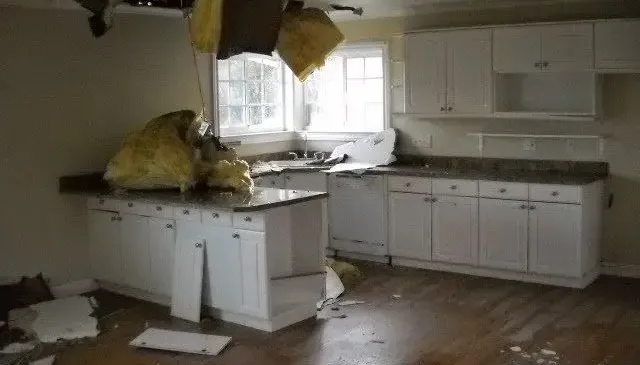
Protecting the area beneath unstable ceiling material is a separate priority. Items should only be moved when they can be reached without standing below loose or sagging finishes.
Look along the structure, not just beneath the opening
A home around Boones Ferry Road may show an interior stain away from the exterior entry point because water followed framing or another surface. The inspection needs access to those intervening layers. Wet insulation can hide the condition of wood beneath it, and a ceiling cavity may remain damp after the visible room surface stops dripping.
- Check insulation contact with the wet framing and ceiling finish.
- Record water paths toward wall tops and adjoining rooms.
- Distinguish damaged materials from dry areas outside the rain path.
Coordinate drying with the roof repair status
For an assessment near Grant Avenue, the drying plan should identify whether entry is controlled and which interior surfaces remain accessible. Suitable retained materials can be monitored as the drying arrangement is adjusted. Any new rain entry changes that record and may require renewed inspection. The ceiling leak cleanup page covers the overhead finish portion of the loss. Before insulation and ceilings are replaced, the repair handoff should explain moisture conditions, completed source work and any remaining openings required for the wet assembly.
Roof leak water damage across Tigard
Rain entry inspections include properties around Cook Park, Boones Ferry Road and Grant Avenue, covering residential Tigard addresses in ZIP areas 97223 and 97224.
The same service nearby: roof leak water damage in Tualatin, Lake Oswego, Sherwood.
Water damage restoration in Tigard · every neighborhood covered
Related water damage services in Tigard
Roof Leak Water Damage questions in Tigard, OR
Does fixing the roof dry the ceiling?
Source repair stops new entry, but absorbed moisture can remain in insulation and finishes. The interior assembly needs separate assessment and an appropriate drying plan.
Can the stain be far from the leak?
Water may travel along framing or across concealed surfaces before reaching the ceiling face. Inspection follows that route rather than opening only beneath the stain.
Should attic insulation always stay in place?
Wet insulation needs evaluation for condition and access. It may conceal damp framing or prevent effective drying, making selected removal part of the interior scope.
Why record the timing of rainfall?
The connection between rain and dripping helps the source investigation. Notes about delayed drips or expanding stains can also point to water retained inside the assembly.
Can furniture remain under a stained ceiling?
The overhead condition must be assessed first. Sagging or loose finishes create a falling material hazard, so movement and protection of belongings need safe access.
What belongs in the final repair record?
Roof source findings, interior moisture readings and the extent of opened materials help explain what is ready for closure and what still requires attention.
Connect roof repair with interior drying
A clear source status and accessible wet materials allow the remaining cleanup and finish repair needs to be assessed together.