Water Heater Leak Cleanup in Wilsonville
Water around a heater can pass beneath a doorway before the equipment is replaced. Wilsonville cleanup examines the room and its adjoining finishes while a qualified professional handles the leaking heater, connections and safe equipment isolation.
(888) 373-8814Check water beside the tank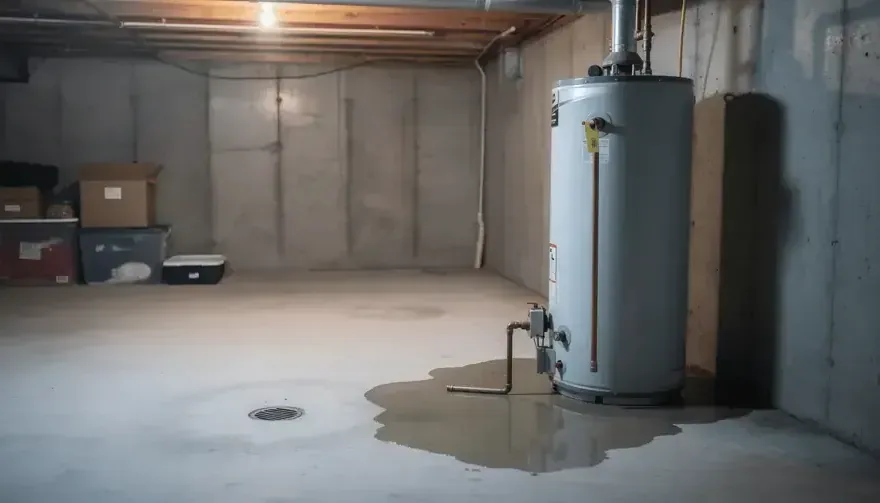
A replacement tank can occupy the same space while the surrounding floor and wall edges remain wet. Wilsonville requires a plumbing permit to replace a water heater, giving the owner a clear repair planning task alongside cleanup. In RiverGreen, Old Town or Villebois, the assessment should follow released water around the equipment base, through any doorway and into accessible adjoining layers. Safe isolation of the heater belongs with a qualified professional familiar with the equipment and its connections.
- The restoration team marks wet boundaries before placing drying equipment.
- Source water, contamination and material condition determine the removal scope.
- Documented material readings, checked against an appropriate dry reference, determine completion.
What does water heater leak cleanup cost in Wilsonville, OR?
Water heater leak cleanup in Wilsonville varies with the equipment access and how far released water entered surrounding finishes. The mitigation estimate should distinguish tank repair or replacement from extraction, material opening and drying of the affected room.
Confined utility-area water
- Open floor access
- Limited wet perimeter
- Localized drying work
Water into an adjacent room
- Threshold moisture checks
- Connected finish exposure
- Additional extraction area
Concealed finish damage
- Hidden layer access
- Selective wall opening
- Expanded material monitoring
Ranges are typical, not a quote: category of water, square footage, material class and how fast drying started move the number most. Run the water damage cost calculator for a closer range.
How water heater leak cleanup is handled in Wilsonville
The tech who does the walkthrough maps moisture through the affected assembly and records a dry comparison. The drying team adjusts airflow and humidity control after each inspection, then confirms the material goal before removing equipment.
- 1
Establish equipment and room conditions
Assessment separates safe heater handling from inspection of surrounding floors, walls and rooms reached by released water.
- 2
Remove water around the equipment
Extraction proceeds while the property contact coordinates source repair and any movement needed to expose surfaces beneath or behind the tank.
- 3
Inspect the replacement footprint
Newly exposed floor edges are checked for damage or moisture before equipment installation and finish work restrict those locations again.
- 4
Document room drying completion
Records track retained materials and identify inaccessible areas or unfinished equipment tasks for the owner before reconstruction closes the affected surfaces.
Separate equipment work from moisture work
The plumber or equipment professional evaluates the leaking component and replacement needs. Mitigation addresses water already on the floor and absorbed into nearby building materials. These scopes meet at access: moving a tank may expose a previously hidden wet area, while replacement can restrict that area again. The work should therefore be coordinated before the new equipment conceals surfaces that need inspection.
- Avoid contact with hot discharge or wet electrical components.
- Describe whether water is still collecting around the equipment base.
- Photograph surrounding finishes before the tank or nearby items move.
- Keep equipment invoices separate from the room cleanup estimate.
Follow water past the utility area
A small equipment space may connect to a larger finished room. Thresholds, trim and flooring seams can reveal where the release spread, but readings are needed where moisture remains hidden. Damaged wallboard, swollen base material or trapped water beneath a covering may require selective access. The plan should describe those areas before drying equipment is positioned.
City permit applications are submitted electronically through the Online Portal. The owner can coordinate that replacement process while extraction and inspection establish the condition of affected interior surfaces.
Protect access until the materials are ready
Cleanup completion should be based on the retained room materials, not the arrival of a new heater. Drying records need to identify the wet edges, readings and any location that remained inaccessible behind equipment. Before finish repair proceeds, outstanding plumbing work and the condition of the equipment footprint should be clear to the owner and the contractor handling reconstruction.
- Check adjoining rooms at the same floor level as the release.
- Inspect newly exposed surfaces when the old equipment is removed.
- Check retained moisture before reinstating trim around the heater space.
Water heater leak cleanup across Wilsonville
Heater leak assessments include RiverGreen, Old Town and Villebois in ZIP 97070, with access planning around the tank, room threshold and adjoining affected finishes.
The same service nearby: water heater leak cleanup in Tualatin, Sherwood, Tigard.
Water damage restoration in Wilsonville · every neighborhood covered
Related water damage services in Wilsonville

Water Heater Leak Cleanup questions in Wilsonville, OR
Does replacing the heater remove the water damage?
New equipment stops a tank problem only when the repair is complete. Water in the surrounding floor or walls still needs a separate cleanup assessment.
Is a permit required for heater replacement here?
Wilsonville requires a plumbing permit to replace a water heater. The owner and installation professional should account for that process when arranging the equipment work.
Should occupants reach through water to shut equipment off?
Wet electrical components and hot discharge can be hazardous. Safe isolation should be handled by an appropriate professional when access or equipment conditions are uncertain.
Why inspect the floor after the old tank is moved?
The equipment may have hidden trapped water or damaged finishes. Removal provides an opportunity to assess that footprint before a replacement blocks access again.
Can water beneath the doorway affect another room?
Water can pass through thresholds and into connected flooring layers. Inspection should follow the observed spread and moisture readings beyond the equipment room.
What belongs in the mitigation handoff?
The record should identify extracted areas, removed finishes, retained material readings and inaccessible locations, alongside any equipment work that still needs to be coordinated.
Restore the room around the replacement equipment
Water heater recovery should leave the affected building materials assessed and accessible for drying, with equipment installation planned around any remaining wet surfaces or required openings.