Appliance Leak Water Damage in Wilsonville
The water visible in front of an appliance can be smaller than the area beneath it. Wilsonville appliance leak cleanup examines hidden edges, cabinetry and adjoining floor layers while equipment repair and access permissions are arranged.
(888) 373-8814Check the spread beneath the appliance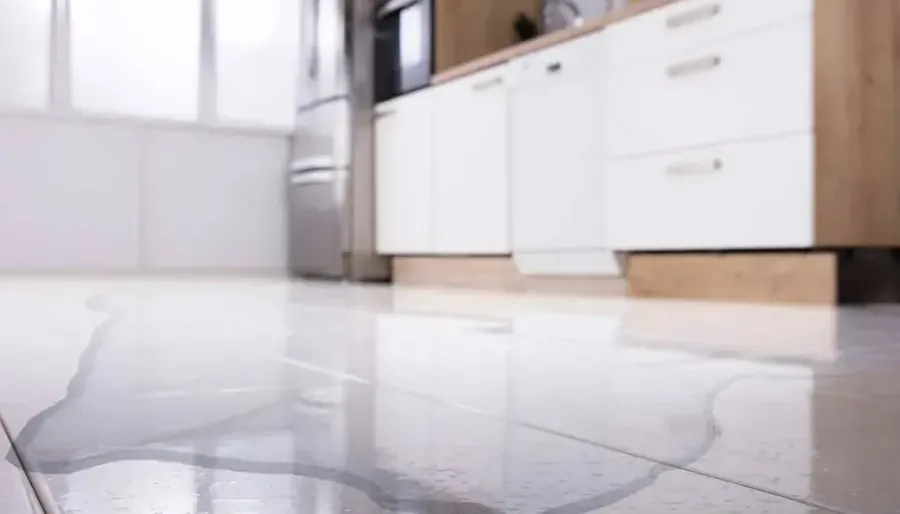
A dishwasher discharge, washing machine overflow or equipment connection leak can follow different paths behind the same visible puddle. In Wilsonville, appliance damage assessment should identify the release and inspect the surfaces it reached. Town Center, Morey's Landing and Frog Pond property contacts can help by describing the appliance, the first visible wet edge and any room below. Moving equipment without considering its connections may create another problem, so safe access belongs in the initial plan.
- The restoration team marks wet boundaries before placing drying equipment.
- Source water, contamination and material condition determine the removal scope.
- Documented material readings, checked against an appropriate dry reference, determine completion.
What does appliance leak water damage cost in Wilsonville, OR?
Appliance leak cleanup costs in Wilsonville depend on hidden spread beneath equipment, cabinet involvement and floor access. Estimates should explain the building mitigation separately from appliance servicing, new equipment and replacement of finishes damaged by the release.
Accessible laundry or kitchen puddle
- Open liquid removal
- Limited perimeter checks
- Reachable wet surfaces
Cabinet and flooring involvement
- Concealed edge access
- Swollen material check
- Coordinated equipment movement
Concealed or multilevel damage
- Water below flooring
- Connected ceiling exposure
- Broader drying scope
Ranges are typical, not a quote: category of water, square footage, material class and how fast drying started move the number most. Run the water damage cost calculator for a closer range.
How appliance leak water damage is handled in Wilsonville
The tech who does the walkthrough maps moisture through the affected assembly and records a dry comparison. The drying team adjusts airflow and humidity control after each inspection, then confirms the material goal before removing equipment.
- 1
Identify the appliance discharge
Assessment records the equipment problem, visible water spread and any concerns about the contents released into the room.
- 2
Open safe inspection access
Equipment movement is coordinated so flooring and cabinet edges can be checked without creating another supply or drain connection problem.
- 3
Address water and unsuitable finishes
Removal decisions follow the actual exposure, preparing retained layers for drying and including affected adjoining rooms in the scope.
- 4
Check the equipment return area
Readings around the appliance footprint are evaluated before equipment returns or new finishes reduce access to the wet space.
Reporting matters in an occupied rental
At the 2020 census, renter occupied units made up 50.6% of occupied housing in the city. A tenant reporting appliance water should notify the manager promptly and describe whether discharge continues. The owner or manager can coordinate repair authorization, appliance movement and inspection of adjacent spaces. Cleanup decisions should not depend on the tenant being able to pull out heavy equipment.
- Stop appliance use when it is associated with the release.
- Avoid unplugging equipment while standing on a wet floor.
- Photograph the puddle and any change at cabinet or trim edges.
- Report moisture appearing in the ceiling of a room below.
Inspect surfaces hidden by the appliance face
Water can collect beneath a cabinet plinth or flooring edge while the exposed floor is wiped dry. Access may involve safely moving equipment or removing a limited finish section. Swelling, trapped moisture and the type of discharge affect whether a material can remain. The scope should explain why a particular opening is needed before that work begins.
When the release reaches a lower ceiling, overhead damage assessment can be included. The inspection should connect both rooms rather than treat the downstairs stain as an unrelated cosmetic issue.
Return equipment after the wet area is assessed
Repairing a hose or replacing an appliance addresses the source, but drying access may still be needed beneath or behind it. Retained floor layers and cabinet materials should be monitored where practical. The completion notes should identify removed finishes, equipment movement and any inaccessible wet area before the room returns to normal use or new cabinetry conceals the space.
- Keep appliance repair records with the interior damage photographs.
- Check the exposed footprint before equipment is pushed back.
- Confirm adjacent finishes are included in the drying check.
Appliance leak water damage across Wilsonville
Appliance damage assessments cover Town Center, Morey's Landing and Frog Pond within ZIP 97070, including access planning around occupied kitchens, laundry spaces and adjacent rooms.
The same service nearby: appliance leak water damage in Tualatin, Sherwood, Tigard.
Water damage restoration in Wilsonville · every neighborhood covered
Related water damage services in Wilsonville
Appliance Leak Water Damage questions in Wilsonville, OR
Should a tenant pull out a leaking dishwasher?
Connected equipment may be heavy and difficult to disconnect safely. Management should arrange appropriate access and repair rather than depend on improvised movement.
Can a wiped kitchen floor hide appliance damage?
Moisture can remain beneath flooring or cabinets after the exposed surface is wiped. Edge inspection and readings help identify areas that still need attention.
Does every appliance release contain the same water?
Supply water and used appliance discharge differ. The cleanup assessment considers what was released and which materials it touched before choosing handling and drying methods.
Why inspect downstairs after a laundry overflow?
Water may pass through floor openings and reach a ceiling below. The lower room can require assessment even when the appliance room has already been cleared.
Is appliance repair included in the cleanup estimate?
The scope should say whether servicing is separate. Equipment repair addresses the source while mitigation handles water, affected finishes and retained material moisture.
Can an appliance return before all finishes are replaced?
That depends on safe connections, the inspected footprint and remaining drying access. The repair and mitigation contacts should coordinate the sequence for the actual room.
Check beneath the equipment before closing the room
Appliance cleanup should connect safe equipment access with the condition of surrounding cabinets and floor layers before normal room use conceals the wet area again.