Water Extraction in Wilsonville
Water moving under a doorway can spread beyond the original spill before the floor looks deeply flooded. Extraction in Wilsonville starts with safe access and a plan for the surfaces and layers holding that water.
(888) 373-8814Plan removal of standing water
A puddle beside a cabinet and water spreading across several rooms require different extraction access. In Wilsonville, the wettest period extends from November through March, making the distinction between rain entry and an indoor release especially useful. The assessment should establish what entered the building before equipment crosses the wet floor. In Old Town, Villebois or RiverGreen, the room condition determines the method, including access beneath movable contents and protection of adjoining dry areas.
- The restoration team marks wet boundaries before placing drying equipment.
- Source water, contamination and material condition determine the removal scope.
- Documented material readings, checked against an appropriate dry reference, determine completion.
What does water extraction and removal cost in Wilsonville, OR?
Water extraction in Wilsonville depends on accessible volume, flooring layers and the number of connected spaces. The estimate should distinguish liquid removal from disposal, source repairs and the drying equipment needed after the floor is cleared.
Small clean-water area
- Localized floor water
- Open extraction access
- Limited affected edges
Several connected rooms
- Water through thresholds
- Multiple surface types
- Additional moisture mapping
Deep or complex loss
- Restricted removal access
- Layered material exposure
- Expanded handling requirements
Ranges are typical, not a quote: category of water, square footage, material class and how fast drying started move the number most. Run the water damage cost calculator for a closer range.
How water extraction and removal is handled in Wilsonville
The tech who does the walkthrough maps moisture through the affected assembly and records a dry comparison. The drying team adjusts airflow and humidity control after each inspection, then confirms the material goal before removing equipment.
- 1
Establish the removal zone
The assessment identifies safe entry, source conditions and where water has traveled across or beneath the visible floor covering.
- 2
Extract accessible liquid
Suitable removal equipment follows the wet boundary while contents and obstacles are handled according to exposure and room access.
- 3
Inspect newly exposed edges
Once pooled water is cleared, flooring transitions and wall bases are checked for retained moisture and damage requiring further access.
- 4
Set the drying handoff
Material readings and documented wet locations define the next equipment arrangement and any removal needed before drying can progress.
Follow liquid water through the room
Water can pass beneath a floor covering, collect at a threshold or soak the lower edge of a wall. Removing the visible pool leaves those locations available for inspection. A sensible extraction plan follows the connected surfaces rather than stopping at the original room name. Cabinets, furniture and changes in floor height can interrupt removal and leave hidden pockets behind.
- Check the transition between the wet room and adjoining flooring.
- Inspect accessible wall bases after standing water has been removed.
- Keep equipment cords outside water and clear of access paths.
- Separate affected belongings from dry items before repositioning room contents.
Choose removal before air movement
Liquid removal and evaporation perform different jobs. Extraction takes up accessible water; drying addresses moisture retained by materials. Saturated padding, swollen board products or contaminated layers may need removal instead of extended equipment use. The written scope should explain those decisions and identify surfaces that remain inaccessible until a fixture or finish is lifted.
The structural drying assessment follows the materials left in place. Extraction records should show where water collected and where additional access is needed, giving the next phase a clear starting condition instead of relying on the appearance of a wiped floor.
Keep the source in the conversation
An active supply leak needs repair while water removal proceeds where safe. Exterior entry requires attention to the opening or drainage route. If wastewater is involved, the work changes to containment and cleaning before ordinary room circulation resumes. These source distinctions also help explain disposal requirements and which belongings can be handled during the first visit.
- Record the apparent source and any continuing movement of water.
- Identify concealed spaces reached through an adjoining wall or floor.
- Confirm the remaining drying scope before replacement finishes are scheduled.
Water extraction and removal across Wilsonville
Extraction assessments cover Old Town, Villebois and RiverGreen in ZIP 97070, with access planning for occupied rooms, shared entries and the affected floor.
The same service nearby: water extraction and removal in Tualatin, Sherwood, Tigard.
Water damage restoration in Wilsonville · every neighborhood covered
Related water damage services in Wilsonville
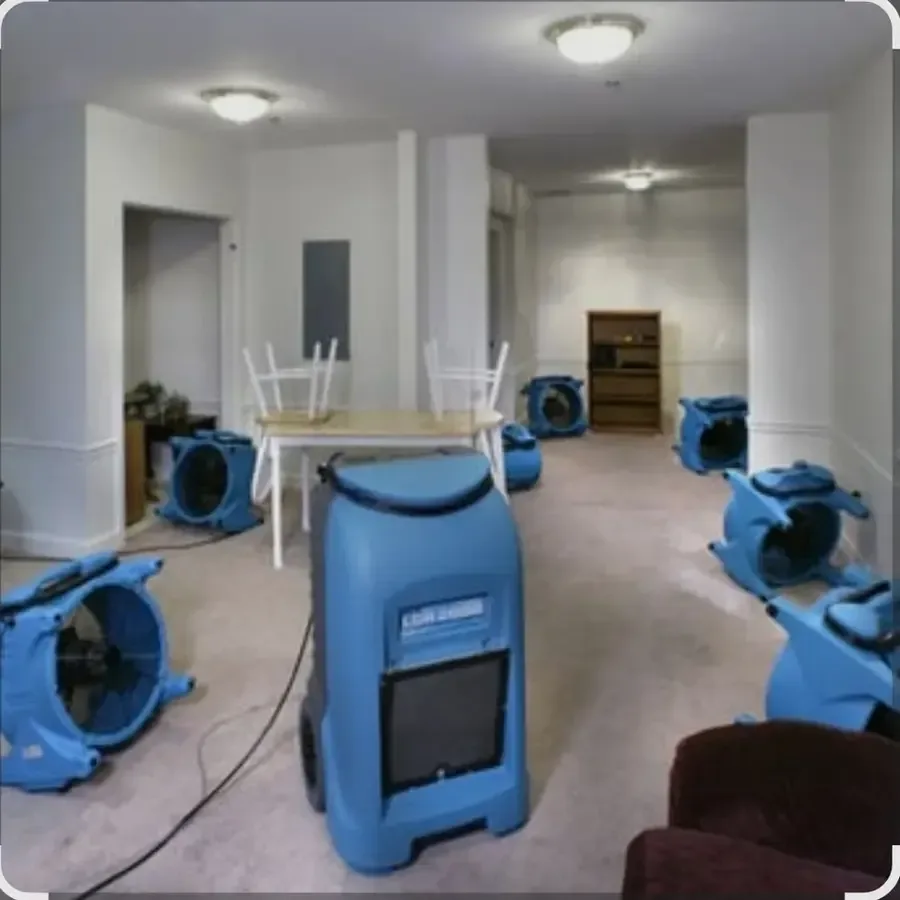
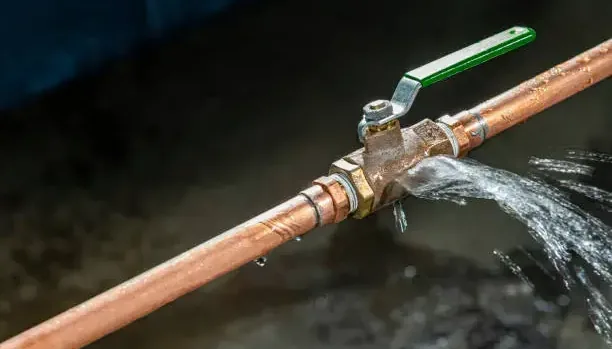
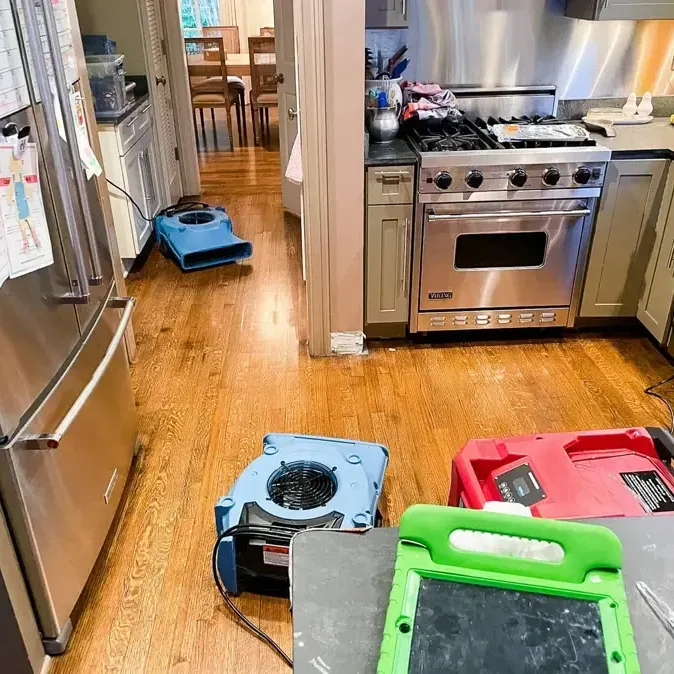
Water Extraction and Removal questions in Wilsonville, OR
Can extraction begin while a pipe still leaks?
Source control belongs at the start of the plan. Otherwise newly released water can keep saturating areas that have already been cleared.
Does extraction remove moisture under a floor?
It removes accessible liquid. Trapped moisture below a covering may require selective lifting, specialized access or removal depending on the floor condition.
Is a household vacuum suitable for floodwater?
Ordinary household vacuums are unsuitable for water pickup. Electrical hazards and contaminated water also make an improvised cleanup unsafe in many affected rooms.
What changes when water came from outside?
The assessment includes sediment and contamination exposure, with cleaning and material handling chosen before retained surfaces receive drying equipment.
Should wet furniture stay against the wall?
Furniture can hide wet edges and transfer staining. Safe repositioning may help access, but heavy or contaminated items require a handling plan.
When does drying start after removal?
Drying can proceed when source conditions, cleaning needs and material access allow it. The transition is determined by inspection of the remaining wet assembly.
Clear the liquid, then assess the layers
A Wilsonville extraction plan should leave a clear record of the wet boundary and the materials still needing attention after accessible water is removed.