Commercial Water Damage in Lake Oswego
Water in a business interior affects circulation, stored goods and the surfaces supporting daily work. A useful recovery plan divides the affected space into clear work areas, with access decisions and material priorities documented before cleanup expands.
(888) 373-8814Check the affected business interior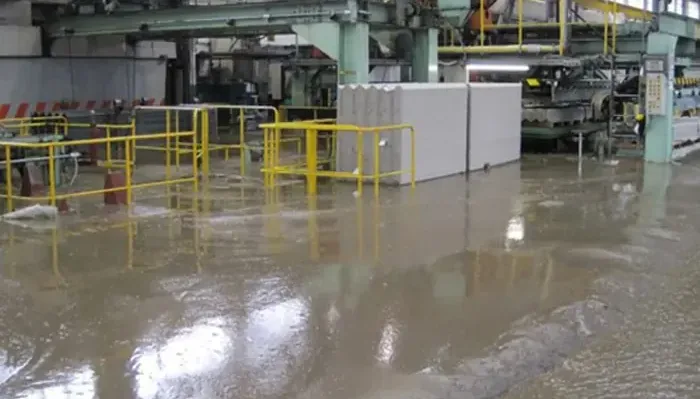
A business water loss can interrupt several activities at once: the entrance may be wet, stock may sit on the floor and equipment may need protection from cleanup traffic. Lake Oswego's February 1996 flood affected State Street and the Foothills district. Emergency diversion at McVey Bridge also passed through Oswego Pointe Apartments, providing a separate local example of a water event involving shared property spaces. Present commercial recovery should begin with the actual premises and the people responsible for access, utilities and decisions about affected contents.
- The restoration team marks wet boundaries before placing drying equipment.
- Source water, contamination and material condition determine the removal scope.
- Documented material readings, checked against an appropriate dry reference, determine completion.
What does commercial water damage cost in Lake Oswego, OR?
Commercial water damage cleanup in Lake Oswego depends on occupied access, affected stock, contamination and the extent of wet assemblies. These ranges organize initial scope discussions; business equipment service, inventory losses and reconstruction should remain distinct from mitigation pricing.
Contained business interior
- Limited affected workroom
- Accessible floor recovery
- Focused contents coordination
Several work or retail areas
- Connected interior zones
- More finish involvement
- Additional access planning
Broad or contaminated loss
- Complex material handling
- Wider contamination cleaning
- Multiple monitored drying areas
Ranges are typical, not a quote: category of water, square footage, material class and how fast drying started move the number most. Run the water damage cost calculator for a closer range.
How commercial water damage is handled in Lake Oswego
The tech who does the walkthrough maps moisture through the affected assembly and records a dry comparison. The drying team adjusts airflow and humidity control after each inspection, then confirms the material goal before removing equipment.
- 1
Establish the operational boundary
Assess hazards and water spread with responsible contacts, then define work zones and routes for equipment and controlled material removal.
- 2
Organize contents with water removal
Recover accumulation while documenting stock handling, preserving a damage record as access to the wet floor and partitions improves.
- 3
Dry retained commercial assemblies
Coordinate openings, cleaning and equipment around the wet structure, tracking progress separately for the materials within each affected business area.
- 4
Report readiness by area
Record completed mitigation and outstanding repairs so property contacts can plan access, finish replacement and the next stage of recovery.
Build the work plan around usable access
A State Street interior may need a clearly marked route around the cleanup footprint, while a Foothills property may require coordination across shared entrances. A Lake Grove business needs the same careful distinction between wet work areas and spaces that can safely remain accessible. Operational requests should be discussed against the real electrical, contamination and building conditions. A convenient passage should not be treated as usable until those conditions have been assessed.
- Identify the property contact authorized to approve access and material handling.
- Separate affected stock records from the inventory that stayed dry.
- Keep equipment removal routes away from unaffected occupied work areas.
- Coordinate source repair with any shared plumbing or building access needs.
Make contents and finish decisions visible
Water beneath shelving can escape notice when attention stays on the open aisle. Stock, furniture and equipment should be documented before relocation or disposal, with handling based on contact and condition. Flooring, partition bases and concealed cavities need their own assessment. The extraction service addresses removable water, while the recovery scope should also explain contamination cleaning and access to retained damp layers. These distinctions help the property contact understand what each task accomplishes.
Return areas to use according to their condition
Commercial recovery may involve several work zones with different readiness. Drying equipment should serve the retained assembly without blocking necessary safe routes, and progress should be recorded for each affected area. Final communication should distinguish completed mitigation, unresolved source work and remaining finish replacement. Decisions about occupancy or operations belong with the responsible parties and the actual conditions, supported by clear restoration records instead of a single visual judgment that the floor now looks dry.
Commercial water damage across Lake Oswego
Business interior assessments include State Street, Foothills and Lake Grove, with affected entrances, shared areas and water pathways discussed when setting the cleanup scope.
The same service nearby: commercial water damage in Tualatin, Tigard, Oregon City.
Water damage restoration in Lake Oswego · every neighborhood covered
Related water damage services in Lake Oswego

Commercial Water Damage questions in Lake Oswego, OR
Can part of a business remain accessible during cleanup?
That depends on hazards, contamination and the ability to separate the work area. Access decisions should follow an assessment and coordination with the parties responsible for the premises.
Who should approve movement of affected stock?
The authorized business or property contact should coordinate those decisions. Photographs and item records help preserve the condition of stock before relocation, cleaning or disposal changes the scene.
Why inspect flooring beneath shelves when the aisle is dry?
Water can remain beneath stored goods and fixed furnishings after the open floor clears. Those concealed areas need checks before the contents are returned to their original positions.
Does commercial cleanup include repair of business equipment?
Building mitigation and equipment service involve different scopes. The estimate should identify the restoration tasks and any specialist equipment work that requires separate coordination by the property contact.
How are shared entrances handled during a water loss?
Affected routes need a safety and contamination check before use. A coordinated access plan should identify how occupants and restoration materials can move without spreading the loss.
What helps determine when an area can return to use?
The responsible parties need clear information about remaining hazards, moisture and repairs. Restoration records should distinguish a dried assembly from unfinished flooring, source work or equipment service.
Organize the property recovery around clear work areas
Lake Oswego commercial restoration starts with responsible contacts and water pathways, then follows each affected interior area through removal, drying and repair planning.