Commercial Water Damage in Oregon City
Water in a business interior creates both a material problem and an access problem. Oregon City commercial cleanup defines affected work zones, protects dry routes and documents wet stock or furnishings while the building's source repair is coordinated.
(888) 373-8814Assess the affected work areas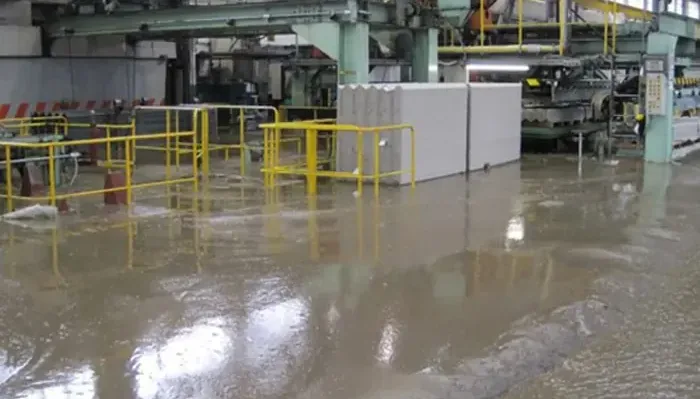
Two Rivers is Oregon City's lowest neighborhood and is primarily commercial, including downtown. Hillendale contains the Clackamas County government campus, while Clackamas Community College is in Caufield. Water damage in an occupied building needs a work plan that makes responsibilities and access clear. The assessment should identify the affected rooms, shared passages and assets before deciding how removal and drying can proceed around the remaining usable space.
- The restoration team marks wet boundaries before placing drying equipment.
- Source water, contamination and material condition determine the removal scope.
- Documented material readings, checked against an appropriate dry reference, determine completion.
What does commercial water damage cost in Oregon City, OR?
Commercial water damage costs in Oregon City depend on affected floor area, contents handling and the building's access requirements. A written estimate should identify work zones, contamination controls and drying scope separately from source repairs, stock replacement and reconstruction.
Contained business interior
- Localized room removal
- Basic contents assessment
- Focused drying zone
Several work or retail areas
- Multiple room coordination
- Expanded material assessment
- Managed equipment routes
Broad or contaminated loss
- Controlled contents handling
- Extensive surface treatment
- Detailed zone documentation
Ranges are typical, not a quote: category of water, square footage, material class and how fast drying started move the number most. Run the water damage cost calculator for a closer range.
How commercial water damage is handled in Oregon City
The tech who does the walkthrough maps moisture through the affected assembly and records a dry comparison. The drying team adjusts airflow and humidity control after each inspection, then confirms the material goal before removing equipment.
- 1
Map occupied areas
Management identifies wet rooms, necessary passages and repair arrangements before the restoration boundary is established inside the building.
- 2
Recover water and assess business contents
Removal proceeds alongside documentation of affected stock and furnishings, with decisions made about handling routes and surfaces that require further access or cleaning.
- 3
Dry the retained materials
Equipment serves defined work zones while readings track material moisture. Access requirements are coordinated with the designated property contact as conditions change.
- 4
Document each completed zone
Cleanup records identify material readings, completed removal and remaining reconstruction, helping management coordinate subsequent repairs and occupancy decisions across the affected interior.
Give the cleanup a single access contact
A designated manager can coordinate keys, tenant communication and the source repair arrangement. This avoids conflicting instructions while crews assess the damaged interior. Occupancy decisions need to account for electrical concerns, contaminated water and equipment routes. Keeping a business area open depends on its actual condition and safe separation from the work; restoration planning should document those boundaries instead of assuming unrestricted use.
- Identify shared entrances and passages needed by unaffected occupants.
- List stock and furnishings exposed to water before relocation.
- Confirm who can authorize material access and controlled removal work.
- Keep source repair information available to the restoration assessment team.
Map damage by room and function
Water may cross a storage area before appearing in a public room, leaving different materials wet along its route. A room based record can separate soaked inventory from damaged partitions and flooring. Photographs should connect each item group with its location and condition. Equipment placement then needs enough clearance for drying while preserving the agreed dry access routes through occupied parts of the building.
If sewage is involved, sewer backup cleanup controls change the handling and access plan. Contamination boundaries take priority over routine circulation through the affected interior.
Sequence repairs around measured progress
A phased scope can distinguish urgent removal, retained material drying and later reconstruction. Progress documentation should show which zones remain under treatment and which are ready for the next repair task. Tenant and owner responsibilities may differ, so approval and reporting arrangements belong in the written scope. The completion record should preserve the damage history even after furniture, stock and finishes have moved.
- Record equipment and moisture checks against the relevant work zone.
- Identify unresolved source work that could rewet a cleared area.
- Separate restoration charges from replacement stock and reconstruction decisions.
Commercial water damage across Oregon City
Business property assessments include Two Rivers, Hillendale and Caufield in Oregon City ZIP 97045, with work zones and access responsibilities assessed with the designated property contact.
The same service nearby: commercial water damage in Tualatin, Lake Oswego, Wilsonville.
Water damage restoration in Oregon City · every neighborhood covered
Related water damage services in Oregon City

Commercial Water Damage questions in Oregon City, OR
Can part of a business stay open during cleanup?
Usable space depends on hazards, contamination and safe access separation. The scope should identify occupied areas and assess how equipment or removal traffic affects those spaces.
Who should coordinate a tenant's damaged work area?
A designated property contact can align tenant needs with building management and source repairs. Clear authorization for access and material decisions helps keep the restoration sequence organized.
Should wet stock be discarded immediately?
Photograph and describe affected goods before disposal decisions change the record. Handling depends on water condition and the item, with business ownership and documentation requirements considered.
Why divide the project into separate work zones?
Room based boundaries clarify contents handling, equipment placement and progress reporting. They also help management distinguish spaces still under treatment from areas awaiting later reconstruction tasks.
Does commercial cleanup include the plumbing repair?
Source correction and building restoration are separate responsibilities unless the scope states otherwise. The project record should identify who handles the failure and what interior work follows.
What documentation helps the owner assess the work?
A useful record includes room photographs, contents notes, removal details and drying measurements. Keeping those items tied to work zones makes the completed scope easier to assess.
Organize water recovery around the affected space
Commercial cleanup can define removal, drying and documentation tasks while management coordinates source repair, access decisions and the reconstruction that follows the material assessment.