Structural Drying in Oregon City
A room without puddles can still contain damp framing and floor layers. Oregon City structural drying uses material readings, planned airflow and dehumidification to reduce retained moisture before opened surfaces are enclosed or replaced.
(888) 373-8814Assess retained material moisture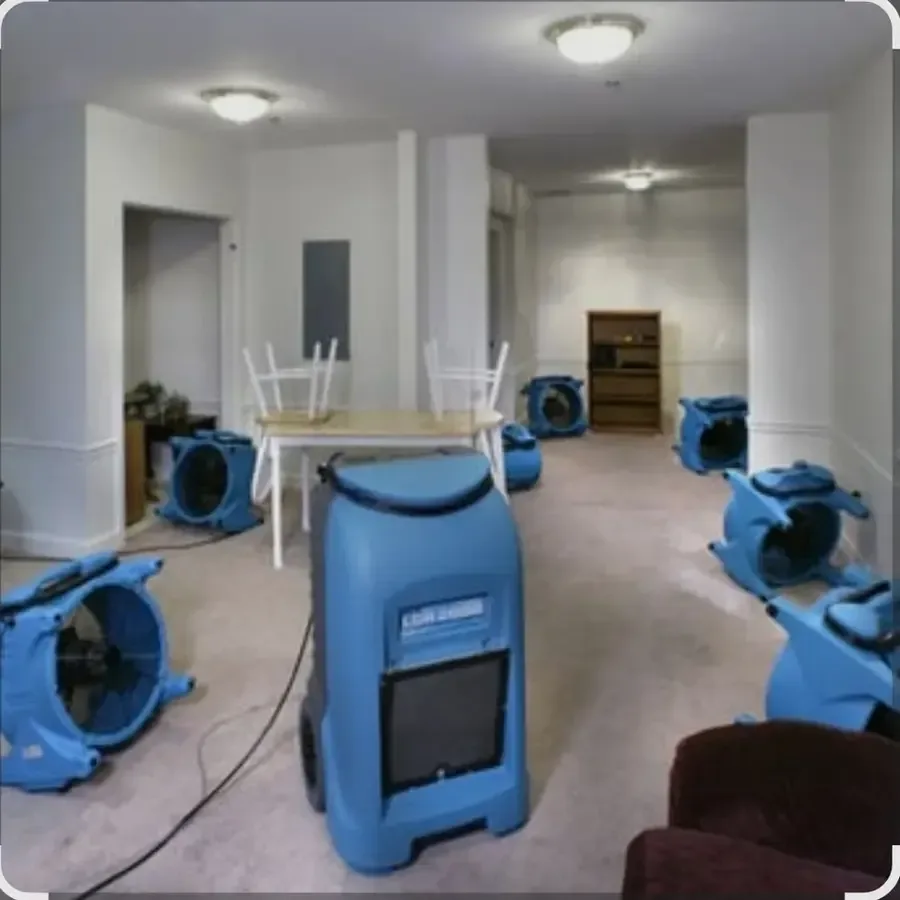
Oregon City's center retains houses and other buildings from its founding era. McLoughlin also includes many older homes, making the actual arrangement of finish layers important during a dry out. A wall can contain more than the visible surface, and a floor can retain moisture below its covering. Structural drying establishes which assemblies are suitable to remain and how moisture can be removed from those specific materials.
- The restoration team marks wet boundaries before placing drying equipment.
- Source water, contamination and material condition determine the removal scope.
- Documented material readings, checked against an appropriate dry reference, determine completion.
What does structural drying and dehumidification cost in Oregon City, OR?
Structural drying costs in Oregon City depend on affected materials, accessible surface area and the equipment arrangement required. Concealed layers or connected rooms can need more access and monitoring than an open space with exposed surfaces ready for airflow.
One accessible drying zone
- Defined material area
- Focused equipment placement
- Recorded moisture changes
Layered or connected spaces
- Several measurement locations
- Concealed layer access
- Adjusted airflow arrangement
Complex retained assemblies
- Difficult moisture pathways
- Expanded monitoring needs
- Detailed closure assessment
Ranges are typical, not a quote: category of water, square footage, material class and how fast drying started move the number most. Run the water damage cost calculator for a closer range.
How structural drying and dehumidification is handled in Oregon City
The tech who does the walkthrough maps moisture through the affected assembly and records a dry comparison. The drying team adjusts airflow and humidity control after each inspection, then confirms the material goal before removing equipment.
- 1
Assess retained layers
Inspection identifies suitable materials, moisture conditions and measurement points before equipment selection for the affected building area.
- 2
Create effective moisture access
Necessary openings and clearances allow airflow and inspection to reach damp assemblies, with removal decisions explained before retained materials receive drying treatment.
- 3
Adjust equipment from recorded progress
Readings and room conditions inform changes in placement or access so slower responding materials receive attention throughout the planned drying sequence.
- 4
Document the reconstruction starting point
The final assessment records retained material condition and remaining repair needs, providing a clear handoff before flooring, insulation or wall finishes conceal the structure.
Measure each affected material layer
Moisture can persist in lower layers after a finish feels dry to the touch. The assessment identifies wet materials and establishes measurement points that can be checked throughout the work. Readings need interpretation alongside material condition and room conditions. Where moisture is trapped behind a barrier or inside a closed cavity, additional access may be needed before equipment can effectively reach the retained structure.
- Identify the material being measured and the location of each check.
- Compare changes across repeated checks rather than relying on touch.
- Inspect concealed edges where the original water path crossed assemblies.
- Separate materials suitable for drying from damaged finishes needing replacement.
Place equipment around a defined drying area
Canemah lies beside the Willamette River and a bluff, while Rivercrest overlooks the river. Inside an affected building, equipment needs to match the actual room geometry and exposed layers. Air movers support moisture movement from surfaces, and dehumidification removes moisture from the air. Unplanned changes to doors, windows or equipment can alter those conditions and should be discussed with the restoration team.
Before this stage, water extraction removes accessible liquid. If contaminated water affected the room, appropriate removal and cleaning must also be completed before a retained material drying plan proceeds.
Use a clear endpoint for reconstruction
Progress records show which areas respond and which need a revised arrangement. The final assessment should identify the condition of retained materials and any unfinished access or source issue. Reconstruction can then proceed with an understanding of what was dried, what was removed and where replacement finishes still belong.
- Keep the drying record with photographs of opened material layers.
- Explain equipment changes when readings reveal slower progress in an area.
- Assess retained structure before new finishes block future moisture access.
Structural drying and dehumidification across Oregon City
Drying assessments extend through McLoughlin, Canemah and Rivercrest in Oregon City ZIP 97045, with material specific checks for retained floors, walls and accessible framing.
The same service nearby: structural drying and dehumidification in Tualatin, Lake Oswego, Wilsonville.
Water damage restoration in Oregon City · every neighborhood covered
Related water damage services in Oregon City

Structural Drying and Dehumidification questions in Oregon City, OR
Why keep equipment after puddles are gone?
Liquid removal and material drying address different moisture. Equipment can still be needed to reduce water held in framing, subfloor and other retained layers beneath visible surfaces.
Can room air readings replace material checks?
Air conditions help explain drying performance, while material measurements assess retained moisture directly. A useful project record connects both with the condition of the actual building assembly.
Should windows remain open during the dry out?
Window changes can alter the managed drying environment. Follow the agreed room arrangement and discuss ventilation changes before adjusting conditions around operating dehumidification and airflow equipment.
Will all wet finishes be saved?
Material condition and water exposure determine retention. Drying supports suitable assemblies, while damaged or unsuitable layers may need removal even when equipment can reduce their moisture.
What causes the equipment layout to change?
Progress readings may reveal concealed damp areas or uneven response. Adjusting access and airflow helps direct the work toward materials that still need moisture reduction.
What should the completion record contain?
It should identify checked materials, final readings and any remaining repair needs. Photographs of exposed layers help explain the drying scope before reconstruction closes those areas.
Prepare retained materials for the next repair
A documented drying plan can connect equipment, moisture access and progress checks with the surfaces that will remain inside the restored room.