Water Extraction in Oregon City
A puddle spreading beneath a closed door needs more than surface mopping. Oregon City water extraction follows the visible water into adjoining floor edges and wall bases, then prepares those materials for a measured dry out.
(888) 373-8814Arrange standing water removal
Oregon City's lower area rests on a bench beside the Willamette River. Two Rivers, its lowest neighborhood, includes downtown and is primarily commercial. Water removal in any affected room begins with a direct look at the release: where it entered, whether the flow continues and what it touched. A shallow film across a large floor can wet more material than a deeper puddle contained on an accessible surface.
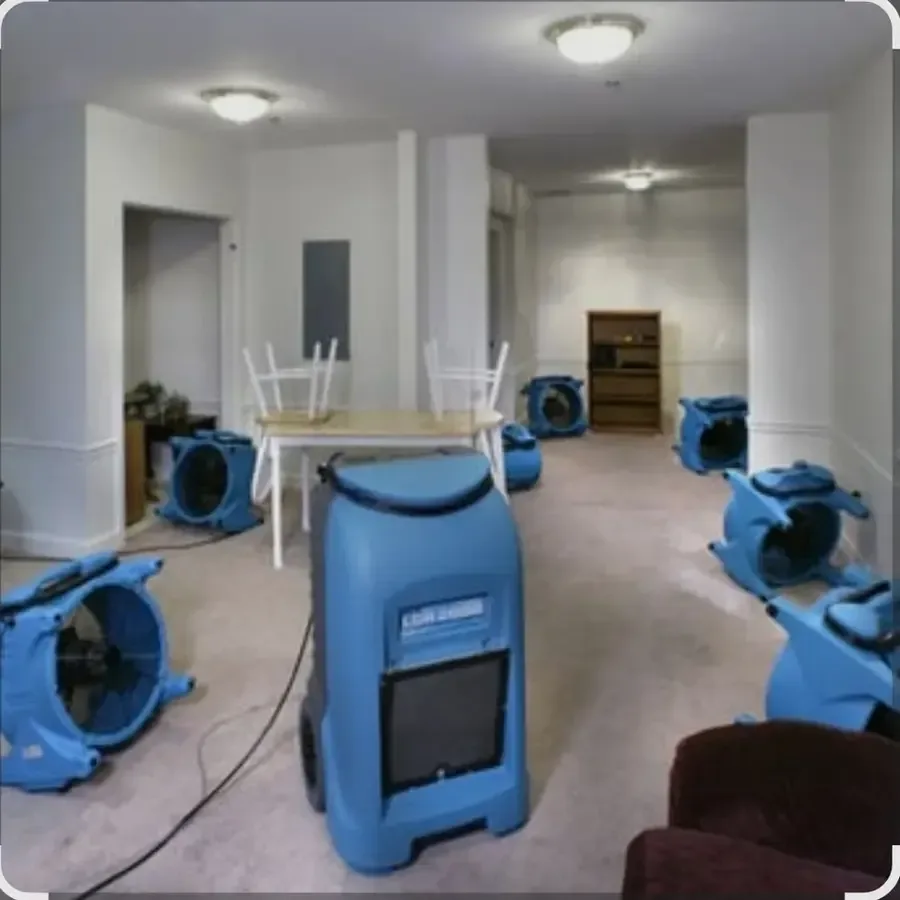
- The restoration team marks wet boundaries before placing drying equipment.
- Source water, contamination and material condition determine the removal scope.
- Documented material readings, checked against an appropriate dry reference, determine completion.
What does water extraction and removal cost in Oregon City, OR?
Water extraction in Oregon City is priced around accessible volume, floor coverage and the condition of the water. Concealed floor layers or complicated access can expand the work beyond removing the visible puddle.
Small clean-water area
- Localized floor water
- Accessible extraction route
- Initial edge checks
Several connected rooms
- Broader wet footprint
- Multiple surface types
- Room transition inspection
Deep or complex loss
- Accumulated water removal
- Difficult material access
- Expanded condition recording
Ranges are typical, not a quote: category of water, square footage, material class and how fast drying started move the number most. Run the water damage cost calculator for a closer range.
How water extraction and removal is handled in Oregon City
The tech who does the walkthrough maps moisture through the affected assembly and records a dry comparison. The drying team adjusts airflow and humidity control after each inspection, then confirms the material goal before removing equipment.
- 1
Trace visible accumulation
An inspection connects the entry point with pooled water, furnishings and the floor edges most likely to hold additional liquid.
- 2
Choose removal equipment
Extraction tools are selected to suit the depth and surface rather than treating every room as an identical pumping job.
- 3
Recover trapped liquid
Accessible floor coverings and adjoining edges receive attention after the main puddle is removed, with removal decisions recorded individually.
- 4
Set the drying scope
Remaining damp materials are identified for moisture monitoring, equipment placement and any selective opening needed to reach concealed wet layers.
Follow the edges before moving furniture
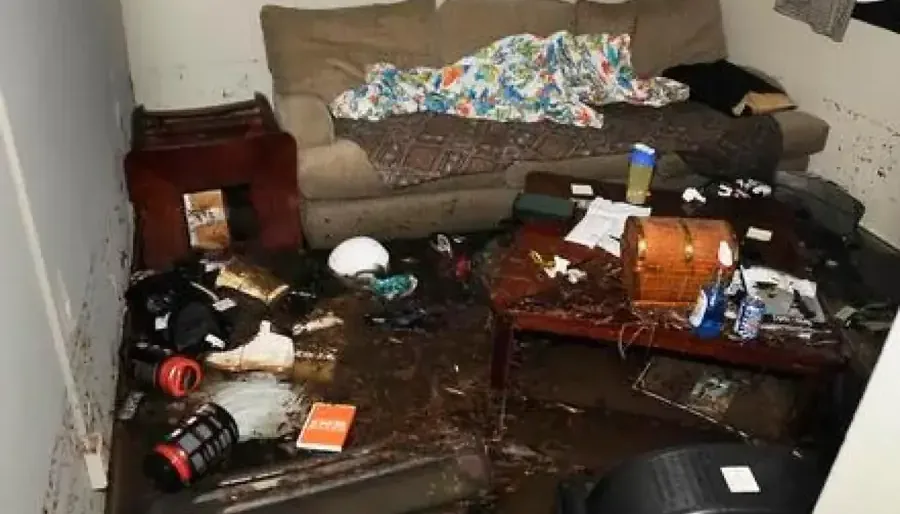
Water can collect behind a cabinet toe kick or beneath carpet while the middle of a room looks nearly dry. An extraction plan identifies those edges before equipment is carried through the space. Doorways, closets and adjoining floor transitions deserve attention because they can hide the boundary of the wet area. Furnishings may need repositioning to expose trapped liquid without spreading it into dry rooms.
- Check electrical conditions before placing powered equipment beside wet surfaces.
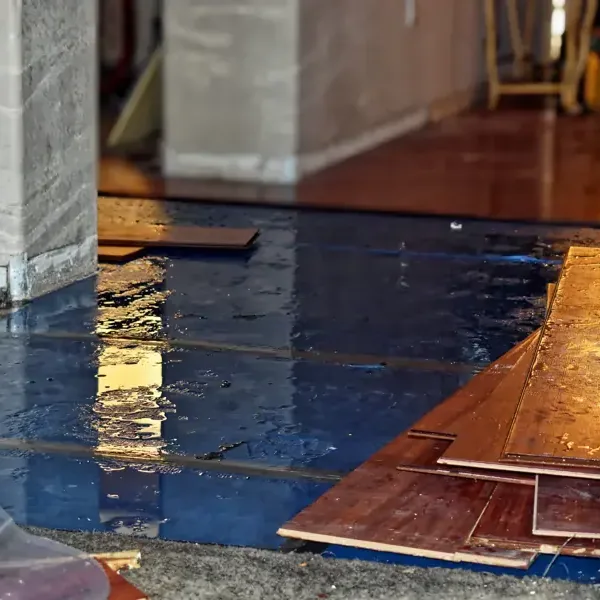
- Identify absorbent coverings that may hold water underneath their backing.
- Inspect adjoining rooms along the observed direction of water movement.
- Keep equipment routes clear of belongings awaiting a damage assessment.
History informs preparation, inspection defines removal
February 1996: Downtown flooding caused heavy damage and left the area submerged for several days. That history gives local owners a reason to prepare clear access and documentation plans. For an active loss in Canemah or near Abernethy Green, the removal method still depends on current water depth, contamination and the materials inside the property. Sediment or wastewater changes handling requirements.
A pump can remove accumulated water, while extraction tools recover liquid held close to floor surfaces. Neither task establishes that concealed layers are dry. The handoff to structural drying identifies retained materials requiring further attention.
Record the remaining moisture
After liquid removal, technicians can mark where flooring, wall bases and room transitions remain damp. This record helps explain why equipment may remain in a room with no visible puddles. An owner should receive a clear distinction between extraction already completed and drying work still needed before replacement finishes are installed.
- Document rooms cleared of accessible standing water and extraction obstacles.
- List retained materials needing additional moisture checks during drying.
- Separate disposal decisions from the estimate for replacement surface finishes.
Water extraction and removal across Oregon City
Extraction assessments cover Two Rivers, Canemah and Park Place within Oregon City, including ZIP 97045, with equipment access planned around each affected interior.
The same service nearby: water extraction and removal in Tualatin, Lake Oswego, Wilsonville.
Water damage restoration in Oregon City · every neighborhood covered
Related water damage services in Oregon City
Water Extraction and Removal questions in Oregon City, OR
Can a household vacuum remove the water?
Equipment must be suitable for liquid recovery and safe for the conditions. Electrical hazards and contaminated water require professional assessment before powered equipment enters.
Will extraction save every carpet?
Retention depends on the water condition, backing and exposure. Inspection determines whether cleaning and drying are suitable or whether damaged material needs removal.
Why inspect beyond the visible puddle?
Water may travel beneath a floor covering or along a wall base. Nearby surface checks help identify a larger wet area than appearance suggests.
Does a dry surface end the job?
A surface can lose visible moisture while lower layers remain damp. Material readings help establish the next drying steps after extraction finishes.
Should furniture be lifted immediately?
Heavy wet furniture can damage softened flooring or spread contaminated water. Handling should follow a room assessment and an agreed route through the building.
What follows standing water removal?
The remaining work may include cleaning, selective removal and controlled drying. The scope identifies which tasks are needed for the materials actually affected.
Clear liquid before hidden layers stay wet
A removal plan can identify safe access, extraction needs and the retained materials that require further drying after the visible water has gone.