Structural Drying in Wilsonville
A room can feel dry before its building materials are ready for repairs. Wilsonville structural drying tracks retained wall, floor and ceiling layers, adjusting access and equipment around the moisture that remains.
(888) 373-8814Plan drying around the wet materials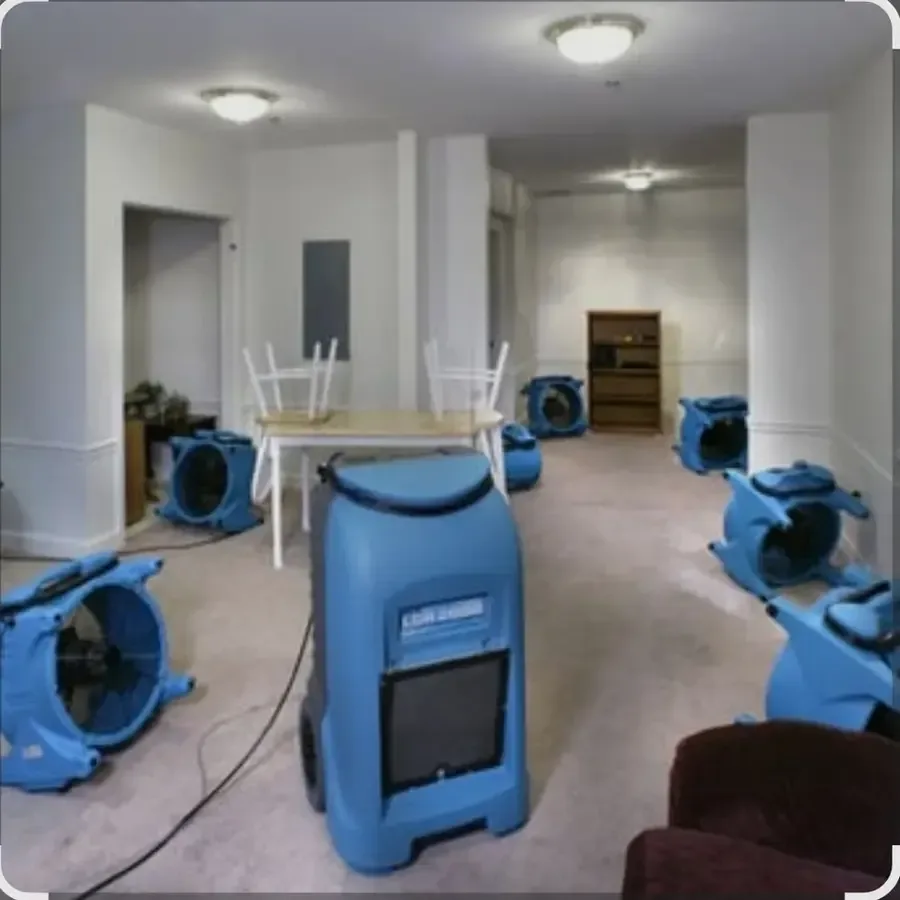
Wilsonville has housing of varied types and ages, so a drying plan should begin with the assembly in front of the assessor. Villebois is a master planned community, Old Town contains the original portions of the community and Charbonneau lies south of the Willamette River. An affected property in any of these neighborhoods needs inspection of its own walls, floors and ceilings. The visible finish alone cannot show how many wet layers lie beneath it.
- The restoration team marks wet boundaries before placing drying equipment.
- Source water, contamination and material condition determine the removal scope.
- Documented material readings, checked against an appropriate dry reference, determine completion.
What does structural drying and dehumidification cost in Wilsonville, OR?
Structural drying costs in Wilsonville depend on retained material layers, accessible surfaces and the monitoring needed to evaluate progress. The scope should identify equipment use and access work separately from source repairs and reconstruction after the drying phase.
One accessible drying zone
- Exposed wet layers
- Focused equipment arrangement
- Repeat material readings
Layered or connected spaces
- Multiple surface types
- Additional cavity access
- Connected room monitoring
Complex retained assemblies
- Restricted material access
- More equipment coordination
- Expanded progress documentation
Ranges are typical, not a quote: category of water, square footage, material class and how fast drying started move the number most. Run the water damage cost calculator for a closer range.
How structural drying and dehumidification is handled in Wilsonville
The tech who does the walkthrough maps moisture through the affected assembly and records a dry comparison. The drying team adjusts airflow and humidity control after each inspection, then confirms the material goal before removing equipment.
- 1
Establish the retained material map
Inspection identifies wet layers and repeat measurement locations that can show how materials respond to the planned drying conditions.
- 2
Arrange equipment around access
Airflow and dehumidification account for exposed surfaces, electrical capacity and safe routes for occupants and monitoring visits through the work zone.
- 3
Track progress and adjust
Readings and room conditions are assessed together, with equipment changes or additional access considered when a wet area responds poorly.
- 4
Document the reconstruction handoff
The record describes retained material condition and outstanding source or access issues before replacement finishes conceal the treated assembly again.
Make the retained materials accessible
Standing water and unsuitable materials should be addressed before drying is expected to work. A floor covering, cabinet base or insulated cavity can isolate moisture from the room air. Selective access may allow a retained layer to dry, while physical damage or contamination may make removal appropriate. The scope should explain the purpose of each opening and what material remains behind it.
- Locate wet layers beyond the exposed surface of the room.
- Identify barriers that prevent air reaching retained building materials.
- Keep contaminated removal separate from the controlled drying phase.
- Record any inaccessible cavity that still needs an access decision.
Track material change alongside room conditions
Air movers support evaporation, while dehumidification manages moisture released into the air. Equipment placement should account for electrical capacity, room connections and safe access. Readings at consistent material locations help evaluate progress and reveal areas that need a change in access or arrangement. A dry feeling room is useful to occupants, but it is not the completion record.
The water extraction scope establishes the liquid removal work that precedes this phase. Drying then focuses on moisture held within the materials selected to remain.
Give reconstruction a clear starting condition
Before trim, wallboard or flooring returns, the record should identify retained materials, monitored locations and outstanding concerns. Source repair status belongs in that handoff too. If readings stop improving, the plan should investigate trapped moisture, ongoing entry or unsuitable access rather than simply leave the equipment unchanged.
- Compare repeat measurements at the documented wet locations.
- Explain equipment changes and additional access as conditions evolve.
- Check material condition before finishes hide the treated assembly.
Structural drying and dehumidification across Wilsonville
Drying assessments include Villebois, Old Town and Charbonneau within ZIP 97070, with the equipment plan based on each affected assembly and available room access.
The same service nearby: structural drying and dehumidification in Tualatin, Sherwood, Tigard.
Water damage restoration in Wilsonville · every neighborhood covered
Related water damage services in Wilsonville

Structural Drying and Dehumidification questions in Wilsonville, OR
Is dry room air enough to finish the work?
Room air and building materials can recover at different rates. The completion assessment should include readings from the retained layers that were actually wet.
Why might drying require a wall opening?
An enclosed layer may receive little useful airflow. Selective access can expose retained materials for assessment and drying when removal is not otherwise necessary.
Can the equipment be moved to reduce noise?
Changes can interrupt the planned treatment of a wet area. The property contact should discuss access or noise concerns before relocating or switching off equipment.
What happens if moisture readings stop improving?
The assessment should revisit access, ongoing water entry and material condition. An unchanged setup may need adjustment to reach a trapped wet layer.
Does drying repair swollen or damaged finishes?
Moisture removal does not reverse every physical change. Materials that remain distorted or unsuitable need separate repair or replacement decisions after assessment.
What information helps the reconstruction contractor?
A useful handoff identifies monitored materials, source repair status and remaining concerns, giving finish work a documented starting point rather than a visual assumption.
Let material readings shape the repair schedule
Structural drying should leave a clear record of the treated assembly and its condition before replacement finishes return to the room.