Structural Drying in Lake Oswego
A room can look ready while its framing or floor layers remain damp. Structural drying targets those retained materials, using access, controlled air conditions and repeated readings to establish when rebuilding can proceed.
(888) 373-8814Check the retained material dryout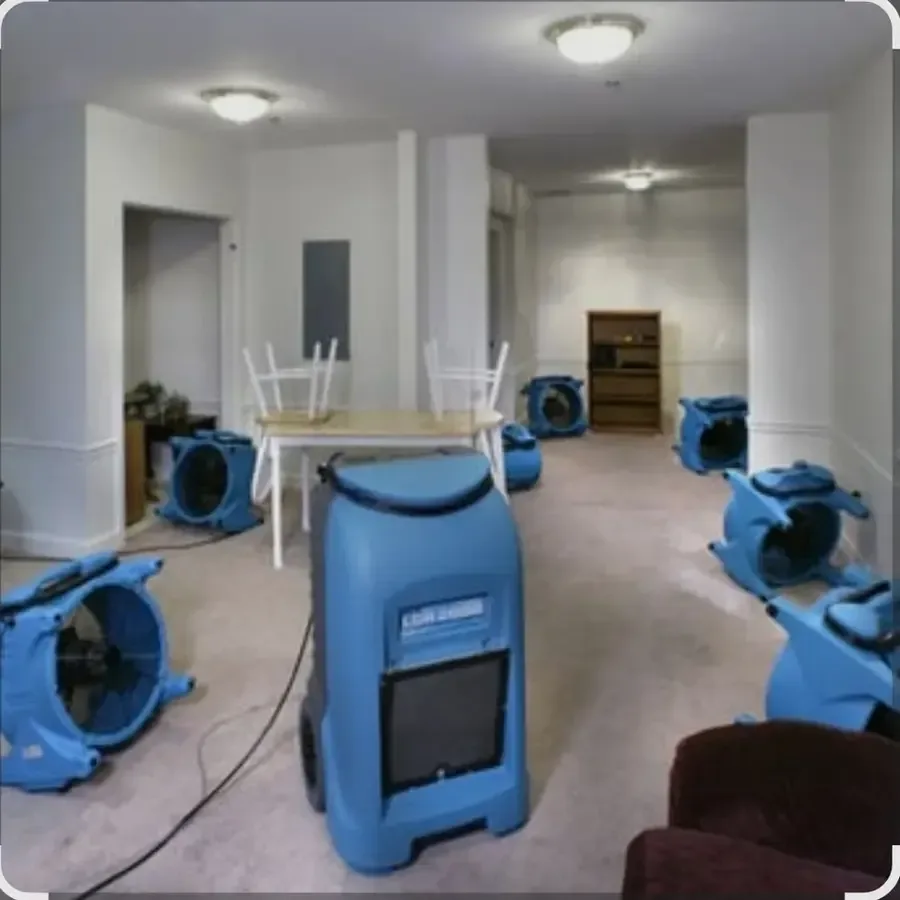
The purpose of a drying setup is to change the moisture condition of the building, not simply to make the room feel breezy. Air movement helps moisture leave accessible surfaces, while dehumidification manages water released into the air. Those functions work only when the wet material can be reached. Lake Oswego's recorded February 1996 basement flooding around Oswego Lake provides a local example of a loss involving lower building assemblies. After cleanup, the retained floor and framing determine the dryout that is needed.
- The restoration team marks wet boundaries before placing drying equipment.
- Source water, contamination and material condition determine the removal scope.
- Documented material readings, checked against an appropriate dry reference, determine completion.
What does structural drying and dehumidification cost in Lake Oswego, OR?
Structural drying in Lake Oswego depends on material depth, access restrictions and the number of connected wet spaces. These planning ranges reflect increasing complexity; equipment needs and monitoring should be explained alongside any required removal or later rebuilding work.
One accessible drying zone
- Open retained surfaces
- Focused humidity management
- Defined monitoring locations
Layered or connected spaces
- Several wet layers
- Additional airflow access
- Connected room checks
Complex retained assemblies
- Restricted cavity reach
- More equipment coordination
- Detailed moisture trend check
Ranges are typical, not a quote: category of water, square footage, material class and how fast drying started move the number most. Run the water damage cost calculator for a closer range.
How structural drying and dehumidification is handled in Lake Oswego
The tech who does the walkthrough maps moisture through the affected assembly and records a dry comparison. The drying team adjusts airflow and humidity control after each inspection, then confirms the material goal before removing equipment.
- 1
Document the initial wet map
Record affected materials and comparison conditions so later readings can be interpreted against the retained assembly's actual starting condition.
- 2
Design access and equipment placement
Match airflow, dehumidification and selective openings to wet surfaces, ensuring the setup reaches moisture within the structure rather than only room air.
- 3
Check changing moisture trends
Recheck layers and indoor conditions, adjusting the plan when readings reveal trapped water, ineffective access or renewed entry at the source.
- 4
Confirm the handoff to repairs
Identify materials meeting drying criteria and record remaining finish work, giving the next trade a clear understanding of the recovered space.
Set a starting point for each retained assembly
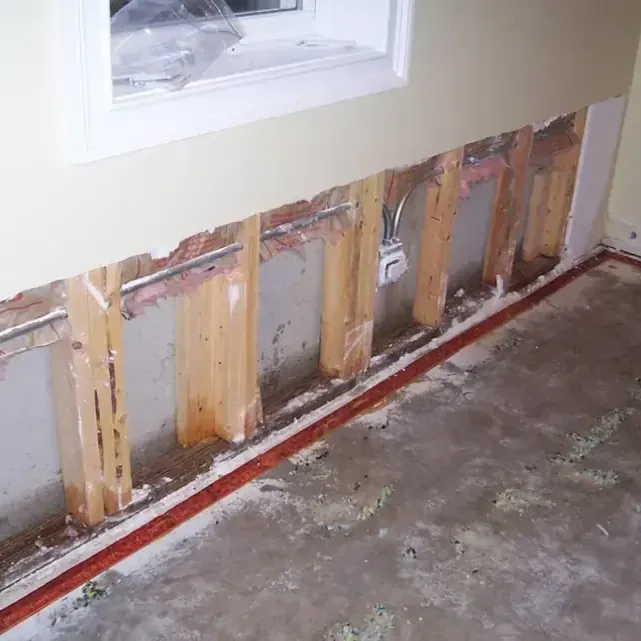
A Mountain Park room may contain different floor layers from the damaged space in a Palisades property. Old Town framing likewise needs its own material readings and access check. Equipment should be selected around those inspected conditions, with comparison areas used where appropriate to help interpret progress. Measuring only the middle of an exposed wall can miss a damp corner or a subfloor edge hidden beneath a remaining finish.
- Record moisture at the deepest accessible wet layer, not just paint.
- Keep supply leaks and outside entry controlled throughout the dryout.
- Identify coverings that prevent moisture from leaving the retained structure.
- Check equipment position when a damp margin stops making progress.
Make airflow serve the material instead of the room
Fans positioned for convenience may leave a wall cavity or cabinet base outside the effective drying area. Selective access can expose retained surfaces, while unsuitable finishes should be addressed before they obstruct the work. Contaminated assemblies also need the appropriate cleaning sequence first. The water removal service addresses accessible accumulation that must be recovered before a controlled structural dryout can operate effectively.
Use measurements to decide when repairs can start
Equipment duration should respond to material progress and changing indoor conditions. Readings that stall call for a check of trapped moisture, access or renewed water entry. Finishes should return after the retained assembly meets the project's drying criteria and the source has been resolved. A useful closeout records checked materials and remaining repairs, allowing the next trade to understand what was dried and which surfaces are ready to receive their new coverings.
Structural drying and dehumidification across Lake Oswego
Drying assessments cover Mountain Park, Palisades and Old Town, with equipment access and the retained floor or wall construction shaping the proposed monitoring plan.
The same service nearby: structural drying and dehumidification in Tualatin, Tigard, Oregon City.
Water damage restoration in Lake Oswego · every neighborhood covered
Related water damage services in Lake Oswego

Structural Drying and Dehumidification questions in Lake Oswego, OR
Does a dry feeling wall prove the framing is ready?
The surface can dry before deeper layers. Measurements at retained materials and concealed margins provide a better basis for deciding when finishes may safely cover the assembly.
Why are air movers and dehumidifiers used together?
Airflow supports evaporation from accessible wet surfaces, while dehumidification collects moisture from the air. The combination needs suitable access to the materials being dried.
Can windows stay open during a controlled dryout?
Window and door positions should follow the project plan. Unplanned outside air can alter humidity conditions and make the equipment work differently from the intended drying setup.
What happens if readings stop improving?
Stalled progress calls for a check of access, material layers, equipment position and continuing water entry. The plan should respond to those findings rather than simply remain unchanged.
Can contaminated materials go straight into drying?
Contamination must be addressed through appropriate removal and cleaning first. Drying moisture out of an unsuitable material does not resolve the contamination that came with the water.
What should the final drying record explain?
It should identify the retained materials checked, their assessed condition and the remaining repair needs. That information supports a clear handoff before new finishes close the assembly.
Let material condition determine the repair handoff
Lake Oswego structural recovery uses a defined wet map, purposeful equipment placement and checked progress before retained assemblies receive replacement finishes.