Storm Flood Cleanup in Sherwood
Rainwater that crosses a doorway can leave dirt beneath furniture and inside floor seams. Sherwood storm cleanup addresses that residue alongside standing water, then evaluates the finishes and structural materials that absorbed the intrusion.
(888) 373-8814Assess the storm entry damage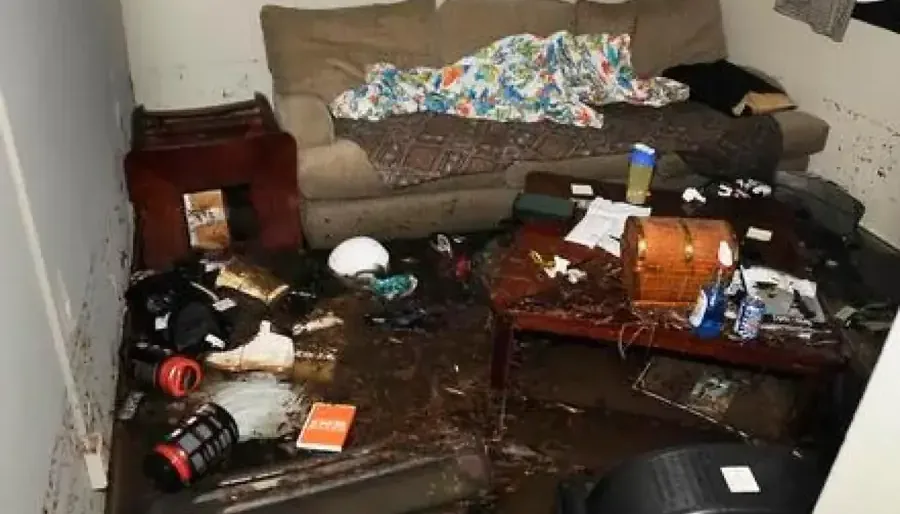
November and December leaf pickup is part of Sherwood's effort to reduce flooding from clogged storm drains. Public Works also provides self serve sandbags during flooding. Once exterior water crosses into living space, cleanup must address what came with it. Sediment under a sofa or beside a threshold can remain after the open floor looks clear, making thorough access as important as removing the visible water.
- The restoration team marks wet boundaries before placing drying equipment.
- Source water, contamination and material condition determine the removal scope.
- Documented material readings, checked against an appropriate dry reference, determine completion.
What does storm flood cleanup cost in Sherwood, OR?
Storm cleanup in Sherwood depends on exterior water spread, sediment, contamination and affected finish layers. The planning ranges describe interior recovery conditions. Drainage correction, envelope repair and reconstruction should be distinguished from extraction, cleaning and drying.
Limited exterior-water entry
- Localized sediment cleanup
- Accessible wet surfaces
- Small affected footprint
Finished floor affected
- Floor layer decisions
- Additional contents handling
- Wall base inspection
Broad interior flooding
- Multiple saturated rooms
- Broader removal needs
- Complex cleanup access
Ranges are typical, not a quote: category of water, square footage, material class and how fast drying started move the number most. Run the water damage cost calculator for a closer range.
How storm flood cleanup is handled in Sherwood
The tech who does the walkthrough maps moisture through the affected assembly and records a dry comparison. The drying team adjusts airflow and humidity control after each inspection, then confirms the material goal before removing equipment.
- 1
Assess the entry pattern
Observations connect exterior entry with indoor water spread, access hazards and the extent of affected finishes and contents.
- 2
Extract and remove deposits
Standing water and accumulated sediment are addressed with methods suited to the contamination and materials encountered within the work area.
- 3
Evaluate hidden contact surfaces
Floor edges, enclosed bases and porous finishes receive inspection so retained residue or saturation does not disappear behind replacement materials.
- 4
Track the retained structure
Drying measurements support the transition from cleanup to reconstruction, with source correction and remaining interior repair needs documented as separate tasks.
Describe the entry before moving belongings
An assessment benefits from observations of where water first appeared and whether entry continues during rainfall. Properties near Woodhaven Park, Cannery Square or the Cedar Creek Trail can identify the affected doorway and usable entrance when arranging access. Those location details help coordinate the visit. Inside, the actual wet path determines which rooms and assemblies need inspection.
- Photograph silt marks and wet thresholds from an accessible dry position.
- Keep outside water away from unaffected contents during any necessary movement.
- Describe low storage, enclosed cabinets and flooring transitions that received water.
Handle the residue as part of the loss
Outdoor water can contact soil and other contaminants before reaching the building. Saturated porous finishes need assessment for removal, while suitable hard surfaces require cleaning. A dark residue under a cabinet should not be covered by a new finish simply because the exposed floor has dried. Access decisions need to account for the underside of materials and the surfaces they conceal.
The scope should distinguish exterior entry correction from interior restoration. Drainage or building envelope work may be necessary to reduce repeat entry while cleanup removes the water and residue already indoors.
Rebuild only after the wet layers are understood
Retained framing and flooring receive moisture checks after cleaning and extraction. Equipment placement follows the remaining saturation pattern, including wall bases and corners blocked by furniture during the initial loss. Structural drying should produce an understandable handoff: inspected materials, remaining access limitations and surfaces ready for repair. That sequence keeps the final appearance tied to the condition beneath it rather than ending the job at a clean looking floor.
Storm flood cleanup across Sherwood
Storm cleanup assessments serve Sherwood properties within 97140, with location and entrance planning around Woodhaven Park, Cannery Square and the Cedar Creek Trail corridor.
The same service nearby: storm flood cleanup in Tualatin, Wilsonville, Tigard.
Water damage restoration in Sherwood · every neighborhood covered
Related water damage services in Sherwood

Storm Flood Cleanup questions in Sherwood, OR
Are sandbags a substitute for indoor cleanup?
Sandbags can support exterior precautions. Water already inside still requires removal, contamination assessment and inspection of materials that may remain wet after the entry stops.
Can flood residue stay beneath new flooring?
Affected surfaces need assessment and appropriate cleaning before replacement finishes are installed. Concealing residue makes later access harder and leaves part of the cleanup unfinished.
Should soaked boxes go into another room?
Only move items through an appropriate controlled route. Wet cardboard and sediment can transfer contamination, so contents separation should be planned before relocation begins.
Is outside water treated like a supply leak?
The contact history differs. Exterior water may carry soil and contaminants, which changes the cleaning, removal and handling decisions for exposed building materials and belongings.
What helps explain the event to an insurer?
Preserve safe photographs, entry observations and item descriptions. Keep cleanup estimates distinct from exterior repairs and let the insurer evaluate coverage under the applicable policy.
Why inspect after the weather clears?
Rain ending does not remove water held beneath floors or inside walls. An interior moisture assessment identifies what still needs access, cleaning or controlled drying.
Address what the outside water left behind
A clear cleanup scope follows residue and moisture beneath furnishings, flooring and wall edges before reconstruction closes those surfaces.