Basement Flooding Cleanup in Tigard
Water collecting below the main living area can keep entering after the first puddle is removed. Basement cleanup examines the entry route, the condition of stored contents and the materials enclosing the wet room.
(888) 373-8814Discuss the flooded lower room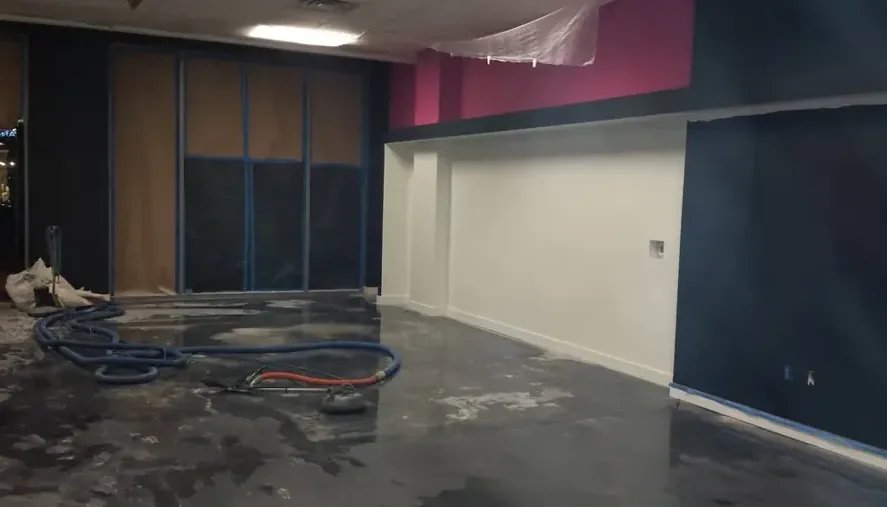
A flooded basement in Tigard needs an entry assessment as well as a removal plan. Water at the bottom of the stairs might come from a plumbing release, a drain backup or outdoor entry. Each source changes the work. Local creeks receive springs and rainfall, but the cause inside an individual building is established by tracing the water and inspecting the affected surfaces, openings and equipment.
- The restoration team marks wet boundaries before placing drying equipment.
- Source water, contamination and material condition determine the removal scope.
- Documented material readings, checked against an appropriate dry reference, determine completion.
What does basement flooding cleanup cost in Tigard, OR?
Basement flooding cleanup in Tigard depends on water condition, access and the amount of finish material involved. Pricing for an exposed lower room differs from a furnished space requiring removal, cleaning and drying behind enclosed surfaces.
Unfinished lower room
- Open surface removal
- Accessible floor cleaning
- Basic material assessment
Finished room loss
- Wet finish access
- Floor layer inspection
- Retained assembly drying
Contaminated basement
- Restricted material handling
- Affected content separation
- Detailed surface cleaning
Ranges are typical, not a quote: category of water, square footage, material class and how fast drying started move the number most. Run the water damage cost calculator for a closer range.
How basement flooding cleanup is handled in Tigard
The tech who does the walkthrough maps moisture through the affected assembly and records a dry comparison. The drying team adjusts airflow and humidity control after each inspection, then confirms the material goal before removing equipment.
- 1
Evaluate entry and stability
Review the water source, depth and building access, then establish which areas can be approached safely for assessment and removal.
- 2
Expose the affected materials
Move suitable contents and open selected finishes where necessary to identify water beyond the visible floor and wall surfaces.
- 3
Complete removal and cleaning
Recover the liquid, handle unsuitable porous materials and clean exposed surfaces using methods appropriate to the water that entered.
- 4
Assess retained lower room layers
Monitor the remaining assembly, adjust drying access and document conditions needed before storage returns or finish repair work begins.
Check the route into the lower room
Cook Park and Woodard Park provide familiar locations for describing a property, while the inspection concentrates on its actual lower level. The first questions concern safe stair access, wet electrical equipment and whether the water continues to rise. Deep water or signs of structural movement require professional assessment before entry or rapid removal. A dry looking stair tread does not make the room below safe.
Photographs taken from a safe position can show entry marks and the arrangement of stored belongings. These details help separate water pathways from damage caused when items sat in the wet area.
Sort materials by contact and accessibility
Finished rooms may conceal moisture behind wall coverings or beneath flooring. Unfinished spaces can still hold wet storage, insulation or enclosed corners that need attention. An assessment near Hall Boulevard should record which layers are wet instead of assuming that exposed concrete means the entire cleanup is simple. Water condition also influences whether porous contents or finishes can remain.
- Keep sewage affected storage apart from dry household belongings.
- Inspect wall bases behind furniture once safe access is available.
- Check enclosed areas that ordinary room airflow cannot reach.
Resolve continuing entry before closing the room
Drying equipment cannot compensate for water repeatedly entering through an unresolved opening or drain problem. Source work may need a plumber or another appropriate repair trade. Once the entry is controlled, extraction and material decisions can progress together. The water extraction page covers removal of accessible liquid. Followup readings should include the retained layers, with any necessary wall or floor access explained before finishes are replaced.
Basement flooding cleanup across Tigard
Lower room assessments are available around Cook Park, Woodard Park and Hall Boulevard, including residential properties in Tigard ZIP areas 97223 and 97224.
The same service nearby: basement flooding cleanup in Tualatin, Lake Oswego, Sherwood.
Water damage restoration in Tigard · every neighborhood covered
Related water damage services in Tigard

Basement Flooding Cleanup questions in Tigard, OR
Does every wet basement need pumping?
The removal method depends on depth, access and building conditions. Structural concerns or continuing exterior pressure need assessment before water is rapidly removed.
Can boxes be left to dry upstairs?
Handling depends on what contacted them. Soaked porous packaging may be unsuitable to retain, and contaminated items should not be carried through clean living spaces.
Why open a wall that looks intact?
Water can collect behind its finish or wet insulation inside the cavity. Selective access may be necessary to inspect, remove or dry those layers.
Is creek proximity enough to identify the cause?
The source is traced at the property. Plumbing, drains and exterior openings are assessed from observed conditions rather than assigning the loss to a nearby creek.
Can a dehumidifier stop recurring entry?
A dehumidifier removes moisture from air, not the cause of continuing water flow. The entry route needs repair or another appropriate source control measure.
When can belongings return to the room?
Return follows cleaning and an assessment of the retained materials. Storage against damp surfaces can obstruct drying and conceal moisture that still needs attention.
Plan cleanup around the entire lower room
Address the entry route, wet finishes and stored contents together so the next repair decision reflects the room's actual condition.