Basement Flooding Cleanup in Sherwood
A flooded basement can hide electrical hazards beneath an otherwise familiar room. Sherwood cleanup planning begins at the entrance, then addresses water removal, lower wall cavities and contents that have been sitting against wet surfaces.
(888) 373-8814Plan safe access downstairs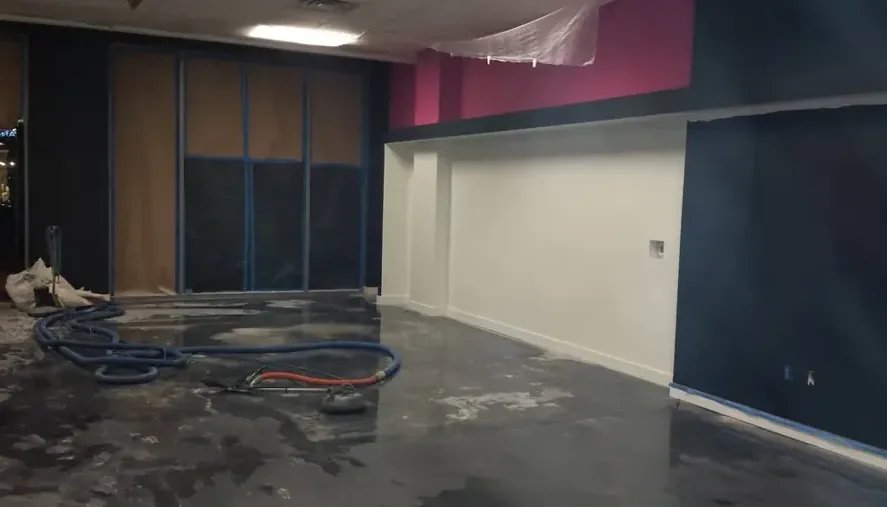
A basement stores more than furniture when water enters. Cardboard boxes, flooring edges, wall insulation and stair trim can each retain moisture after the central floor clears. For a Sherwood property with a lower room, the assessment needs to distinguish wet contents from wet building assemblies. City self serve sandbags support flood preparation, while an already flooded interior requires its own access and removal decisions.
- The restoration team marks wet boundaries before placing drying equipment.
- Source water, contamination and material condition determine the removal scope.
- Documented material readings, checked against an appropriate dry reference, determine completion.
What does basement flooding cleanup cost in Sherwood, OR?
Basement cleanup in Sherwood depends on finish layers, contamination, depth and the route for removing water and debris. The planning ranges reflect different room conditions; structural concerns and reconstruction should receive separate explanations in the estimate.
Unfinished lower room
- Open floor access
- Surface cleaning
- Focused moisture checks
Finished room loss
- Wet wall layers
- Flooring assessment
- Contents relocation
Contaminated basement
- Controlled material removal
- Wastewater cleaning
- Broader access needs
Ranges are typical, not a quote: category of water, square footage, material class and how fast drying started move the number most. Run the water damage cost calculator for a closer range.
How basement flooding cleanup is handled in Sherwood
The tech who does the walkthrough maps moisture through the affected assembly and records a dry comparison. The drying team adjusts airflow and humidity control after each inspection, then confirms the material goal before removing equipment.
- 1
Assess below grade access
The initial inspection considers utility hazards, entry conditions and continuing water before choosing a suitable removal sequence for the lower room.
- 2
Remove water and debris
Extraction and contents handling proceed within the assessed work area, keeping wet materials away from clean stairs and adjacent living spaces.
- 3
Expose affected concealed surfaces
Selected openings allow inspection where lower wall cavities or enclosed finishes prevent reliable assessment of moisture remaining after the floor has cleared.
- 4
Prepare a repair record
Cleaning results, retained material condition and remaining reconstruction needs are organized for the owner before finishes conceal the inspected assemblies again.
Start at the entrance, not the puddle
Standing water near electrical equipment can make the stair landing unsafe. A qualified assessment should establish isolation before anyone steps into the affected area. Deep water, visible movement or damaged walls can also change the removal sequence. The volume alone does not determine whether pumping can begin; structural conditions and continuing entry need consideration before the room is emptied.
- Identify the lowest wet electrical device without entering the water.
- Keep stored items from blocking a safe exit or equipment route.
- Describe any continuing seepage, drain backup or damaged supply pipe.
Look behind finishes at floor level
Properties near Brookman or Stella Olsen Park can describe their basement entrance and whether the room is finished. That distinction helps plan inspection access. Wall paneling, carpet cushioning and enclosed storage can conceal saturated surfaces. A cabinet that looks intact may still hold water underneath, while a masonry surface may need cleaning before drying equipment can work effectively.
The Cedar Creek greenway corridor provides another useful location reference when coordinating entry. Inside the building, moisture measurements should follow the actual wet path across wall bases and adjoining rooms rather than stopping at the most visible stain.
Separate recovery from replacement
Contaminated porous items need different handling from washable hard surfaces. The written scope should describe proposed disposal, cleaning and retained materials before reconstruction starts. A basement can lose its standing water yet still need structural drying of framing and subfloor connections. Replacing trim or enclosing a wall too early can conceal the areas that still need attention, so the repair handoff should include drying observations and outstanding access limitations.
Basement flooding cleanup across Sherwood
Basement assessments are available for properties in Sherwood ZIP 97140, with access descriptions around Brookman, Stella Olsen Park and the Cedar Creek greenway corridor.
The same service nearby: basement flooding cleanup in Tualatin, Wilsonville, Tigard.
Water damage restoration in Sherwood · every neighborhood covered
Related water damage services in Sherwood

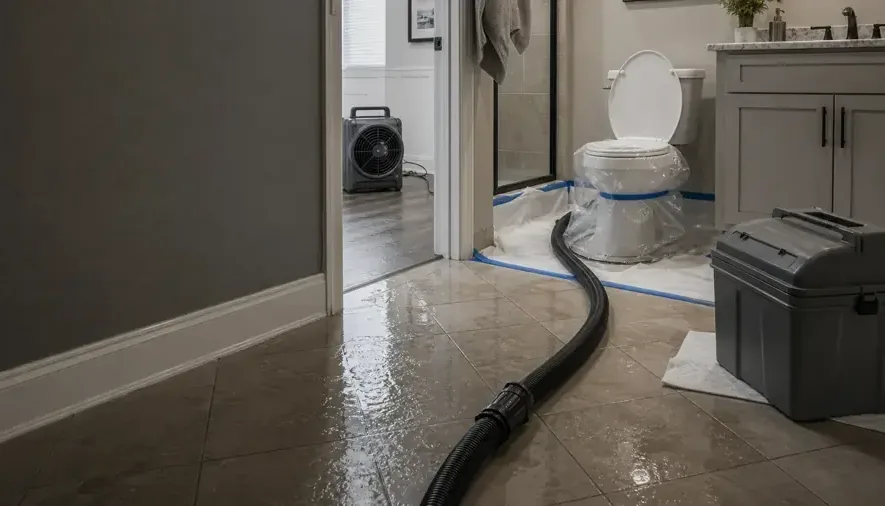
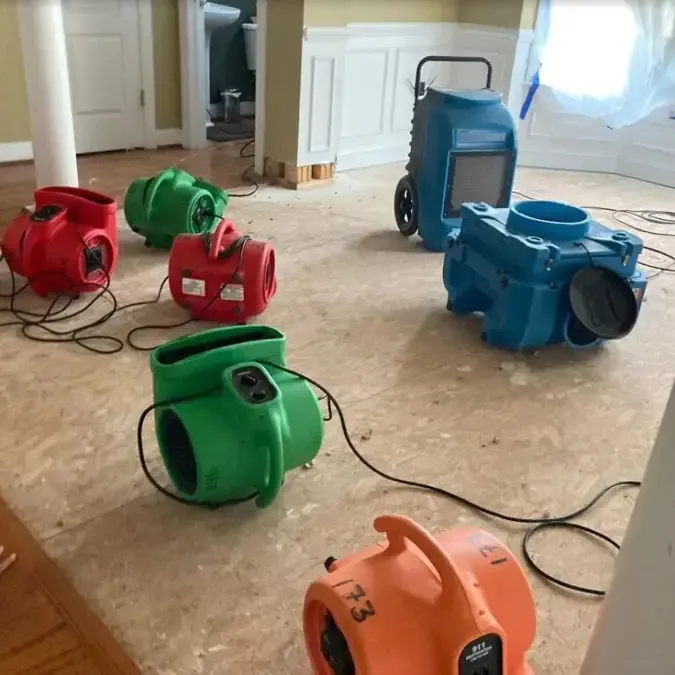
Basement Flooding Cleanup questions in Sherwood, OR
Should a flooded basement be entered immediately?
Only safe access should be used. Water near electrical equipment, unstable finishes or substantial depth requires qualified assessment before anyone walks into the lower room.
Can basement shelving stay in place?
Its stability and exposure determine handling. Saturated stored goods may need separation, and shelving against wet walls can obstruct inspection of the materials behind it.
Does a floor drain explain the source?
A drain may be an entry point or simply sit inside the wet area. Plumbing investigation and observations of active flow help identify the actual source.
Can painted concrete still need cleaning?
Yes. Residue can remain on hard surfaces after extraction, and contamination changes cleaning requirements. Finish condition and retained moisture also affect the restoration plan.
Why inspect a wall above the water mark?
Absorbent materials can draw water beyond the visible level. Measurements and selective access help establish the affected boundary rather than relying only on a stain.
When can storage return downstairs?
The space should meet the agreed cleaning and drying criteria first. Placing boxes against damp surfaces can hide remaining moisture and interfere with repair access.
Restore access to the lower room
A clear removal sequence accounts for stairs, stored belongings and moisture behind the basement finishes.