Storm Flood Cleanup in Lake Oswego
Mud at a doorway tells only part of a storm loss. Exterior water can leave sediment beneath furniture and inside floor edges, requiring a cleanup sequence that addresses contamination before the remaining structure is dried.
(888) 373-8814Check storm entry damage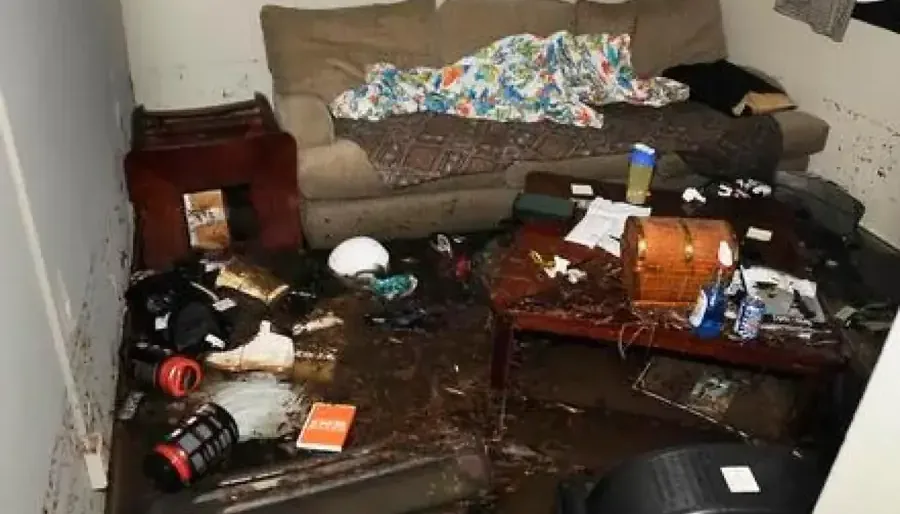
Stormwater carries a different cleanup burden from a household supply leak. Mud can remain after the water retreats, coating floor joints and the bottoms of furniture. February 1996: High rainfall and melting snow caused major flooding around Oswego Lake. Water entering homes along Oswego canal carried mud and sediment, while rising Willamette River water affected State Street and the Foothills district. That recorded event gives a clear local example of why indoor flood recovery must address deposited material as well as standing water.
- The restoration team marks wet boundaries before placing drying equipment.
- Source water, contamination and material condition determine the removal scope.
- Documented material readings, checked against an appropriate dry reference, determine completion.
What does storm flood cleanup cost in Lake Oswego, OR?
Storm flood cleanup in Lake Oswego depends on sediment, affected finishes and the extent of exterior water contact. The ranges below support initial planning; contaminated material disposal, hidden cavities and continuing entry influence the inspected scope.
Limited exterior-water entry
- Localized debris handling
- Small affected boundary
- Accessible surface cleaning
Finished floor affected
- Layered floor removal
- Wet contents assessment
- Substrate cleaning access
Broad interior flooding
- Several damaged rooms
- Larger disposal needs
- Extended assembly drying
Ranges are typical, not a quote: category of water, square footage, material class and how fast drying started move the number most. Run the water damage cost calculator for a closer range.
How storm flood cleanup is handled in Lake Oswego
The tech who does the walkthrough maps moisture through the affected assembly and records a dry comparison. The drying team adjusts airflow and humidity control after each inspection, then confirms the material goal before removing equipment.
- 1
Evaluate the flood route
Inspect entry and debris, define the affected materials, and resolve access hazards before interior cleanup begins.
- 2
Extract and clear sediment
Recover accessible water and deposited material while organizing contents and damaged finishes for appropriate handling along a controlled removal route.
- 3
Clean exposed building surfaces
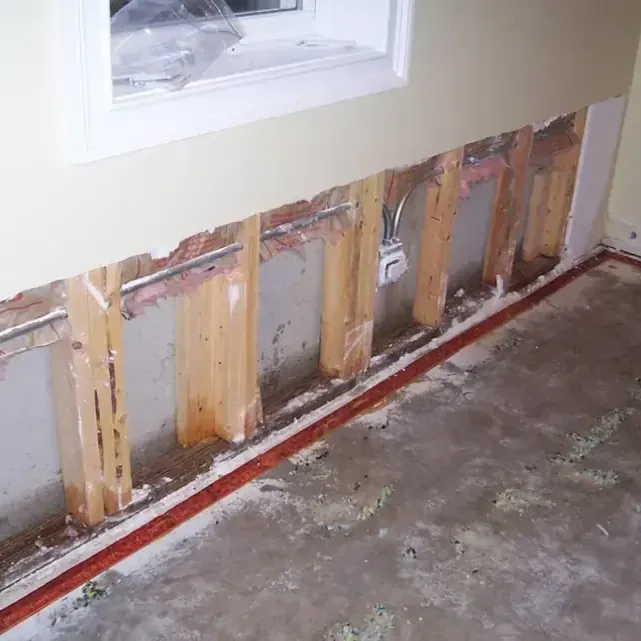
Address recoverable assemblies after unsuitable layers are removed, including recesses where mud accumulated beyond the open floor and visible wall faces.
- 4
Track interior moisture recovery
Dry retained surfaces with monitored conditions and record remaining exterior or finish repairs needed before the affected rooms return to normal use.
Find where exterior water became an interior loss
The first inspection follows entry at doors, lower openings or other affected building edges. A Lakewood room with wet floor coverings needs a different access plan from an exposed work area in Bryant. Foothills properties likewise require inspection of the actual building and water route. Photographs of debris and water marks help preserve the starting condition before damaged finishes are removed or the floor is washed.
- Check beneath movable contents for sediment trapped against the floor.
- Keep exterior mud out of rooms that escaped the flooding.
- Inspect porous finishes along the full path of incoming water.
- Record any continuing entry before drying equipment is positioned indoors.
Separate debris removal from material retention
A rinsed surface can still conceal contaminated backing or a damp cavity. Removal decisions depend on water contact, material condition and whether cleaning can reach every affected layer. Saturated composite furniture, carpet padding and enclosed insulation require individual assessment. Recoverable hard surfaces need cleaning after extraction, with attention to corners and recesses that held sediment rather than only the open center of the room.
Control the remaining pathway and moisture
City stormwater guidance warns that leaves and debris can obstruct drains and cause localized flooding. A blocked outside drainage route needs attention alongside interior mitigation. Once cleanup permits drying, retained framing and subfloors should be measured through the recovery period. The basement recovery service addresses lower rooms where floodwater accumulates. Final scope notes should distinguish the dried interior from any exterior correction or reconstruction still required, so replacement finishes follow a resolved water pathway.
Storm flood cleanup across Lake Oswego
Storm damage assessments include Foothills, Lakewood and Bryant, with the entry point, sediment spread and safe building access discussed before interior cleanup begins.
The same service nearby: storm flood cleanup in Tualatin, Tigard, Oregon City.
Water damage restoration in Lake Oswego · every neighborhood covered
Related water damage services in Lake Oswego

Storm Flood Cleanup questions in Lake Oswego, OR
Is a muddy floor ready for drying after a rinse?
Rinsing may leave debris beneath finishes. Inspection of affected layers determines material suitability and the cleaning needed before equipment dries the retained assemblies.
Can outdoor floodwater damage a room without deep standing water?
A shallow release can wet porous floor edges and carry sediment underneath furnishings. Cleanup extent follows contact and material condition, rather than water depth alone.
Should water marks be painted over after the storm?
A mark may identify a larger damp assembly behind the finish. Inspection and drying should establish the repair boundary before paint hides the original contact area.
Why inspect outside drainage during an interior cleanup?
A continuing exterior pathway can rewet the room. Source correction should be coordinated with mitigation so newly dried materials are not exposed to repeated water entry.
Can hard furniture legs be cleaned and retained?
Material condition and contamination determine retention. Inspect joints and undersides, documenting damaged items before disposal or cleaning changes their appearance and the evidence of exposure.
Does the historical lake flood predict a particular property's damage?
Current cleanup is based on the water that reached the building, its source and the affected materials. A property assessment establishes the work needed for this loss.
Restore the rooms reached by exterior water
Lake Oswego flood recovery combines debris removal, material cleaning decisions and a monitored dryout before damaged finishes are replaced.