Structural Drying and Dehumidification in Tigard
Drying decisions belong to the building materials, not the appearance of the room. Repeat measurements help show whether retained framing, flooring and wall layers are losing moisture or need better access.
(888) 373-8814Discuss the retained wet materials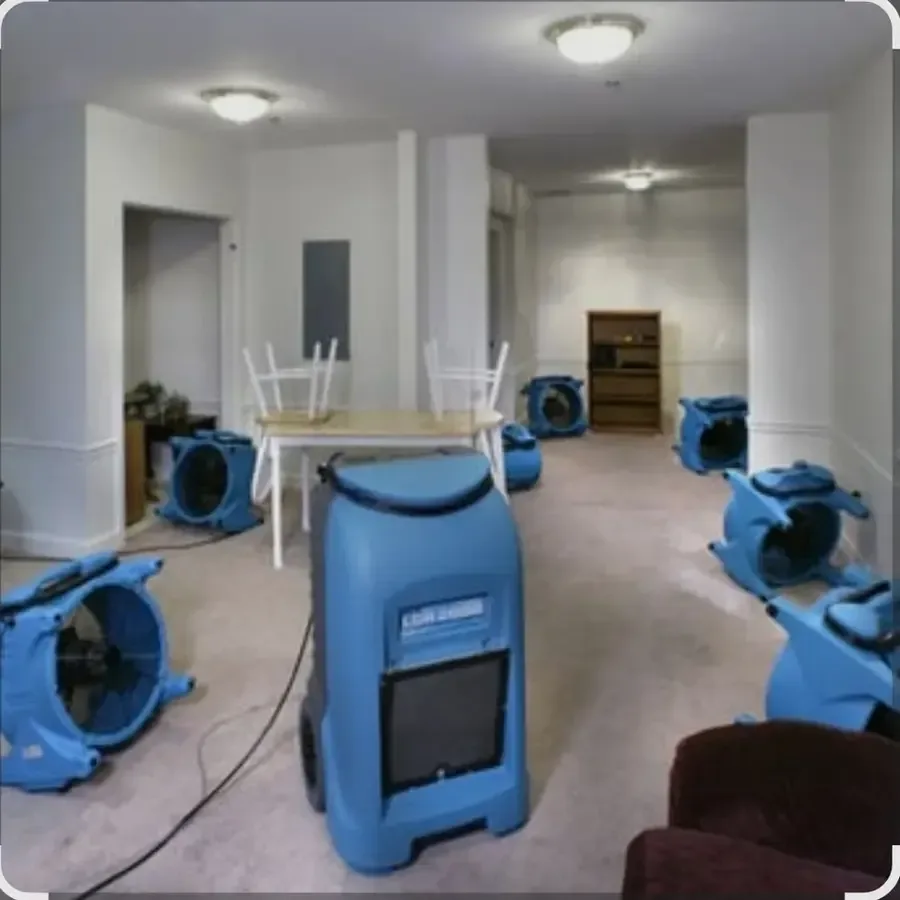
A room can feel comfortable while its subfloor or wall framing remains wet. Structural drying in Tigard evaluates those retained materials directly. Accessible liquid removal, source control and necessary cleaning establish the starting conditions. From there, equipment placement and access are chosen around the assembly rather than the room's appearance. A drying record should make clear which locations were wet, what target conditions apply and how the readings change during the work.
- The restoration team marks wet boundaries before placing drying equipment.
- Source water, contamination and material condition determine the removal scope.
- Documented material readings, checked against an appropriate dry reference, determine completion.
What does structural drying and dehumidification cost in Tigard, OR?
Structural drying in Tigard depends on the retained materials, available access and the equipment arrangement needed to reach them. The estimate should explain monitored areas, proposed openings and how drying progress affects the ongoing scope and eventual repair handoff.
One accessible drying zone
- Open material access
- Focused equipment arrangement
- Repeat location readings
Layered or connected spaces
- Several retained surfaces
- Additional access planning
- Broader moisture tracking
Complex retained assemblies
- Restricted cavity access
- Multiple drying adjustments
- Detailed closure documentation
Ranges are typical, not a quote: category of water, square footage, material class and how fast drying started move the number most. Run the water damage cost calculator for a closer range.
How structural drying and dehumidification is handled in Tigard
The tech who does the walkthrough maps moisture through the affected assembly and records a dry comparison. The drying team adjusts airflow and humidity control after each inspection, then confirms the material goal before removing equipment.
- 1
Set a material baseline
Record affected locations and comparison conditions after source control, liquid removal and cleaning establish a suitable starting point for drying.
- 2
Create access and airflow
Explain any selected openings, then arrange equipment so retained wet layers can release moisture without obstructing required access through the property.
- 3
Compare repeated measurements
Check the same locations over time, evaluating whether readings support the current setup or point toward overlooked moisture, blocked access or renewed entry.
- 4
Connect readings with repairs
Document the resulting material conditions and remaining work so equipment removal and finish replacement follow an assessed assembly rather than surface appearance alone.
Establish what is being dried
For a Main Street property, the assessment may involve a floor layer, an opened wall or another assembly exposed by the cleanup. The material and its surroundings determine how it can release moisture. A finish that blocks access may need a selected opening, while an exposed surface can be assessed directly. Nearby unaffected materials can help provide a comparison when setting an appropriate drying target.
The source must also remain controlled. A continuing leak changes the readings and can prevent progress even when equipment operates as intended.
Arrange equipment around the wet layers
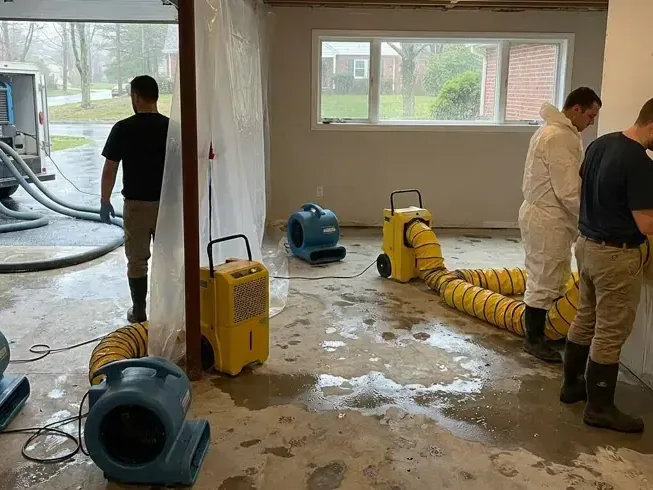
At a home near Milton Court, safe electrical capacity, occupied rooms and access routes all affect placement. Air movers encourage evaporation from reachable surfaces, while dehumidification removes moisture from the air. The arrangement should avoid trapping a wet layer behind an intact covering or directing air across a contaminated area that has not been cleaned.
- Keep equipment intake and discharge paths clear of stored belongings.
- Preserve access to the locations used for repeat material checks.
- Discuss occupied areas that need a separate safe passage.
Use the trend to decide the next action
A drying assessment around Boones Ferry Road should explain whether the same material locations are improving. Slow or unchanged readings can call for a revised equipment arrangement, better access or renewed source inspection. The appliance leak page illustrates why hidden equipment recesses matter. Once retained layers reach suitable conditions, documentation connects equipment removal with the next repair step, instead of choosing a finish date solely because the visible floor looks dry.
Structural drying and dehumidification across Tigard
Drying assessments include homes near Main Street, Milton Court and Boones Ferry Road, with access planning for Tigard residential ZIP areas 97223 and 97224.
The same service nearby: structural drying and dehumidification in Tualatin, Lake Oswego, Sherwood.
Water damage restoration in Tigard · every neighborhood covered
Related water damage services in Tigard


Structural Drying and Dehumidification questions in Tigard, OR
Is a dry feeling floor enough to stop equipment?
Touch shows only the accessible surface. Retained layers need material checks, and those results should support the decision to remove equipment or begin repair.
Why might drying need an opening in the wall?
An intact finish can block access to wet framing or insulation. Selected openings allow inspection and can make the retained assembly more accessible to drying.
Can windows stay open while equipment operates?
The setup depends on indoor and outdoor conditions. Unplanned air exchange can change humidity and interfere with the intended drying arrangement, so changes should be discussed.
What happens if readings stop improving?
The assessment should revisit access, equipment placement and source control. A concealed wet pocket or continuing leak can require a different approach to the affected material.
Does more airflow always mean faster progress?
Airflow needs access to the wet surface and coordinated moisture removal from the air. Equipment placement and material readings show how the concealed assembly is progressing.
What record supports the final repair decision?
The measured locations, changing readings and resulting material conditions connect the dryout with repair readiness. Photos of openings can also help the next trade understand access.
Let measured progress shape the repair timing
A documented drying plan connects equipment placement, access decisions and the condition of retained layers before replacement finishes are installed.