Roof Leak Water Damage in Wilsonville
A ceiling mark that returns with rain needs more than a cosmetic patch. Wilsonville roof leak cleanup connects exterior source work with the damp attic, insulation and interior finishes that need assessment before the room is restored.
(888) 373-8814Plan interior roof leak recovery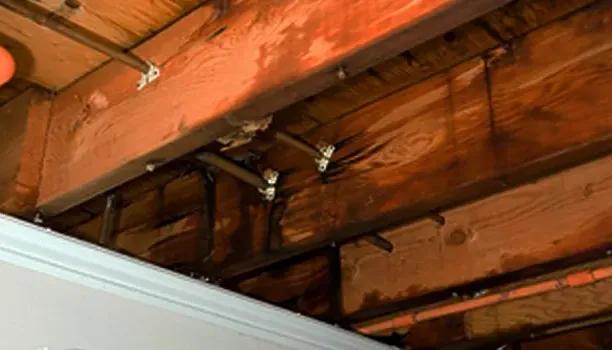
Wilsonville receives most precipitation in winter, with November through March its wettest period. A leak that appears during that weather should be tracked from the roof opening through the interior, rather than judged by the size of a ceiling stain. In Old Town, Charbonneau or Frog Pond, the property assessment should identify the actual roof and attic assembly, including how water reached insulation, framing and the room below. Safe access determines which areas can be inspected directly.
- The restoration team marks wet boundaries before placing drying equipment.
- Source water, contamination and material condition determine the removal scope.
- Documented material readings, checked against an appropriate dry reference, determine completion.
What does roof leak water damage cost in Wilsonville, OR?
Roof leak cleanup costs in Wilsonville depend on attic access, insulation exposure and the path into finished rooms. The interior estimate should identify removal and drying separately from roof repair, temporary weather protection and replacement of damaged finishes.
Limited attic and ceiling area
- Localized wet cavity
- Accessible overhead materials
- Limited room disturbance
Broader overhead spread
- Wider insulation exposure
- Additional ceiling openings
- More retained layers
Several interior assemblies
- Connected room damage
- Multiple drying access points
- Broader finish removal
Ranges are typical, not a quote: category of water, square footage, material class and how fast drying started move the number most. Run the water damage cost calculator for a closer range.
How roof leak water damage is handled in Wilsonville
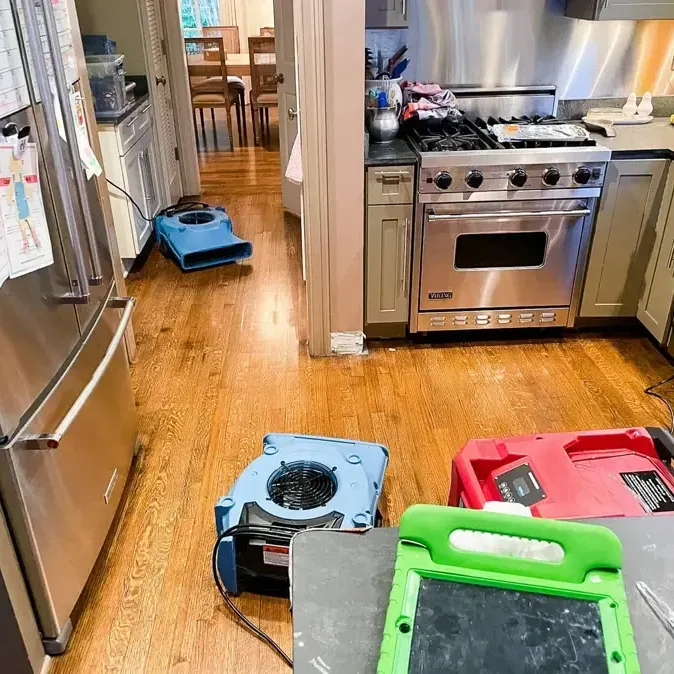
The tech who does the walkthrough maps moisture through the affected assembly and records a dry comparison. The drying team adjusts airflow and humidity control after each inspection, then confirms the material goal before removing equipment.
- 1
Connect rainfall with interior evidence
Assessment records changes during wet weather, damage below and safe access to overhead spaces through which rainwater may have traveled.
- 2
Coordinate protection and controlled openings
Exterior repairs and interior access are sequenced so wet materials can be examined without exposing the drying area to renewed entry.
- 3
Prepare retained overhead surfaces
Damaged finishes or insulation are addressed so measurements and equipment can reach the layers selected to remain in the assembly.
- 4
Document the roof and room handoff
Notes distinguish exterior repair from interior drying observations and identify outstanding access concerns before insulation or ceiling replacement is scheduled.
Two work areas need a connected plan
Roof repair addresses incoming rain. Interior cleanup addresses the water already held inside the building. Both tasks should be coordinated so a drying area is not soaked again during the next rainfall. Occupants should avoid climbing onto a wet roof or entering an attic with uncertain footing. Reports of when dripping starts and stops can help the source investigation.
- Record the relationship between rainfall and changes in the ceiling.
- Keep people clear of sagging finishes and wet electrical fixtures.
- Identify attic access restrictions before inspection equipment is brought inside.
- Distinguish temporary weather protection from the completed exterior repair.
Inspect the layers between roof and room
Water can run along structural members before reaching an opening in the ceiling. Wet insulation may obscure the route and hold moisture against adjacent materials. Controlled access allows damaged finishes to be removed where necessary and retained layers to be evaluated. The extent of opening should follow the affected assembly and the ability to reach isolated wet pockets.
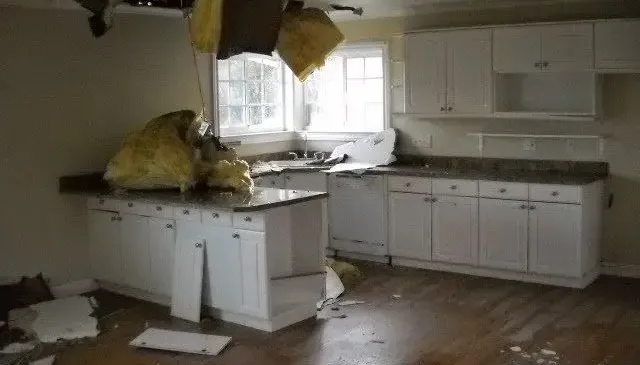
For visible overhead damage, ceiling cleanup provides the room level part of the scope. The interior plan should also address belongings beneath the leak and any floor reached by repeated dripping.
Keep repair records beside drying observations
A roof repair invoice and a dry looking ceiling answer different questions. The completion record should explain exterior correction, retained material readings and any cavity that could not be accessed. Before insulation or drywall is replaced, the owner should know which areas have been evaluated and whether further source work remains. That avoids scheduling cosmetic closure while hidden moisture still needs attention.
- Photograph the interior damage before ceiling materials are removed.
- Track readings at consistent points in retained overhead materials.
- Check renewed wetting if another rainfall changes the damaged area.
Roof leak water damage across Wilsonville
Roof related interior assessments cover Old Town, Charbonneau and Frog Pond in ZIP 97070, with safe overhead access and the affected rooms included in planning.
The same service nearby: roof leak water damage in Tualatin, Sherwood, Tigard.
Water damage restoration in Wilsonville · every neighborhood covered
Related water damage services in Wilsonville
Roof Leak Water Damage questions in Wilsonville, OR
Is the stain directly below the roof opening?
Not necessarily. Rainwater can travel along framing before appearing indoors, so inspection should connect the visible ceiling damage with the actual overhead route.
Can a homeowner inspect a wet roof during rain?
Wet surfaces and uncertain access create fall hazards. Roof evaluation should be arranged with the appropriate professional while occupants remain in safe areas.
Does interior drying replace the need for roof repair?
Drying removes retained moisture but cannot close an exterior opening. Source correction and interior mitigation need coordinated scopes to avoid repeated wetting.
Why might attic insulation require removal?
Saturated insulation can hold water and obstruct access to nearby materials. Its condition and ability to dry determine whether it can remain in place.
What if dripping continues after the rain stops?
Stored water may continue draining through the assembly. The assessment should examine wet layers and verify the source rather than judge only the current weather.
When can ceiling paint be restored?
Cosmetic work should follow source correction and check of retained material moisture. The visible finish should not conceal an overhead cavity that still needs attention.
Connect weather protection with interior recovery
Roof leak restoration should leave the entry repaired and the affected overhead materials assessed before the occupied room receives replacement finishes.