Storm Flood Cleanup in Wilsonville
Rainwater that crosses the building boundary can carry sediment into floor joints and wall bases. Wilsonville storm cleanup follows that entry route, then separates debris removal, cleaning and drying of the materials that remain.
(888) 373-8814Discuss storm entry cleanup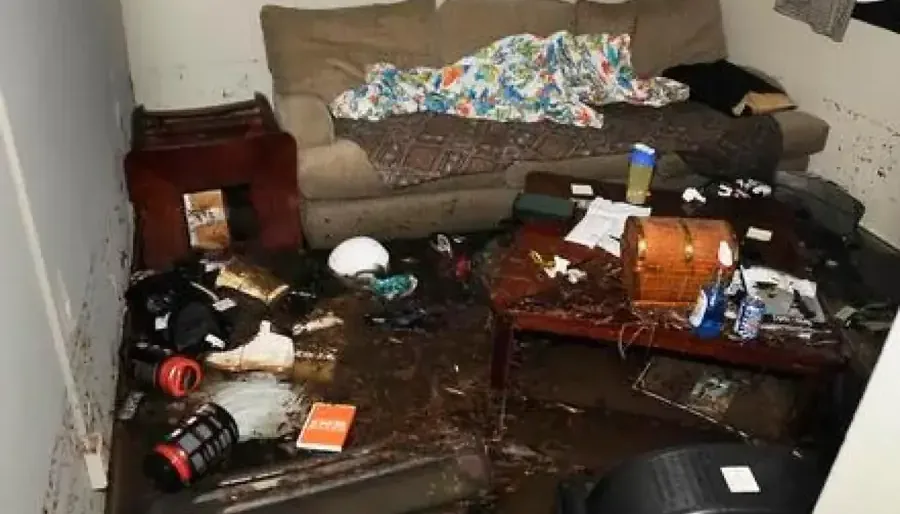
February 21, 2017: Patch reported flooding after rain that closed all four lanes of Town Center Loop West. For storm cleanup in Wilsonville, safe access and continuing exterior water are practical starting questions. RiverGreen, Charbonneau and Old Town property owners should describe what happened at the building: entry beneath a door, water through a lower opening or moisture spreading from an overhead leak. The route matters because different assemblies can become wet even when the final puddle looks similar.
- The restoration team marks wet boundaries before placing drying equipment.
- Source water, contamination and material condition determine the removal scope.
- Documented material readings, checked against an appropriate dry reference, determine completion.
What does storm flood cleanup cost in Wilsonville, OR?
Storm flood cleanup in Wilsonville depends on the entry route, contamination and the layers reached by outside water. Estimates should separate debris handling, finish removal and drying from exterior repairs needed to stop renewed entry.
Limited exterior-water entry
- Localized entry area
- Accessible sediment cleanup
- Limited finish exposure
Finished floor affected
- Floor layer access
- Soaked trim removal
- Connected surface cleaning
Broad interior flooding
- Several wet rooms
- Expanded contents handling
- Complex drying layout
Ranges are typical, not a quote: category of water, square footage, material class and how fast drying started move the number most. Run the water damage cost calculator for a closer range.
How storm flood cleanup is handled in Wilsonville
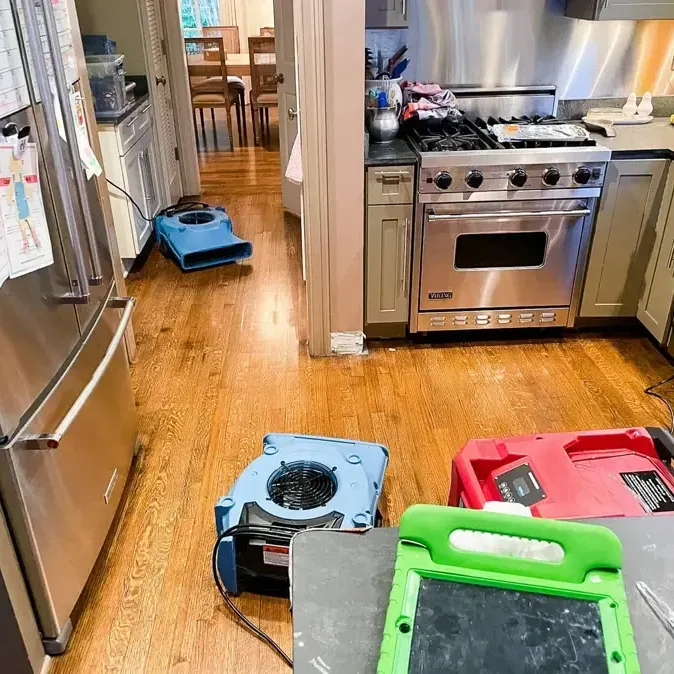
The tech who does the walkthrough maps moisture through the affected assembly and records a dry comparison. The drying team adjusts airflow and humidity control after each inspection, then confirms the material goal before removing equipment.
- 1
Map the interior water route
Inspection connects exterior entry with affected rooms and layers, including low areas where sediment collects.
- 2
Clear accessible water and debris
Removal considers exposure, contents and disposal routes so sediment does not travel through unaffected portions of the building during handling.
- 3
Open and clean affected assemblies
Unsuitable finishes are removed to reach trapped residue and moisture, preparing retained surfaces for controlled drying through the necessary openings.
- 4
Coordinate drying with entry repairs
Readings track interior recovery while unresolved weather protection or drainage work stays visible in the scope and reconstruction handoff.
Read the sediment trail before moving contents
Debris lines and staining can show how water traveled across a floor. Photographs preserve that pattern before belongings are lifted or water is extracted. Exterior water needs contamination assessment, particularly where absorbent finishes or stored contents have been soaked. A dry appearing upper surface can still cover damp, dirty layers that need access before restoration proceeds.
- Keep occupants outside areas with unstable finishes or electrical exposure.
- Record where water first appeared and where it later collected.
- Separate storm exposed belongings from items that stayed dry.
- Describe any remaining exterior flow that could refill the room.
Connect drainage observations with interior work
Wilsonville has a separate storm sewer system that treats and conveys stormwater to the Willamette River. Public and private water quality facilities and detention ponds are also part of local stormwater management. At an individual property, the cleanup assessment should document the entry point and direct any unresolved exterior source issue to the appropriate repair contact.
Interior mitigation can include water removal, controlled disposal and cleaning. Those tasks should have a defined scope before drying begins across exposed surfaces.
Plan restoration around accessible clean layers
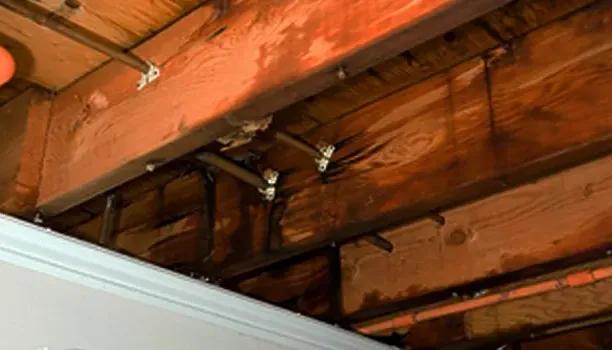
Swollen flooring, wet insulation and sediment behind trim may require selective opening. Retained materials need cleaning and moisture measurements that can be repeated during drying. The repair handoff should describe which spaces are ready for finishes and which remain dependent on exterior work, allowing the property owner to schedule reconstruction around actual conditions.
- Identify the porous layers affected by outside water.
- Document removed materials before the affected areas are concealed.
- Check the entry repair alongside the final drying observations.
Storm flood cleanup across Wilsonville
Storm damage assessments serve RiverGreen, Charbonneau and Old Town within ZIP 97070, with entry conditions and safe property access discussed before interior work begins.
The same service nearby: storm flood cleanup in Tualatin, Sherwood, Tigard.
Water damage restoration in Wilsonville · every neighborhood covered
Related water damage services in Wilsonville

Storm Flood Cleanup questions in Wilsonville, OR
Is exterior floodwater handled like a supply spill?
Outside water can carry sediment and contamination. The affected materials need assessment for cleaning or removal before ordinary drying practices are selected.
What observations help identify the entry route?
The location of first water, rainfall timing and visible debris paths can help. Photographs should be taken only where access remains safe.
Can cleanup proceed before every exterior repair is finished?
Some mitigation may proceed when safe, but continuing entry must be controlled. The scope should identify temporary protection and remaining source repair dependencies.
Should soaked rugs be placed in a dry bedroom?
Moving exposed rugs can spread moisture and residue. Keep them within the affected handling area until cleaning or disposal decisions are established.
Does a nearby creek determine the cleanup method?
The actual water source, contamination and damaged materials determine treatment. Property inspection follows the entry path and exposure inside the building.
What records matter after sediment is removed?
Initial photos, material removal notes and repeated moisture readings help explain the loss and the work performed before replacement finishes change the room.
Clean the layers reached by outside water
A practical storm recovery scope addresses sediment, damaged finishes and drying access while keeping unresolved exterior entry visible in the repair plan.