Oregon City Storm Flood Cleanup
Floodwater can leave a room full of sediment, displaced belongings and moisture beneath finished surfaces. Oregon City storm cleanup organizes safe entry and debris handling while ongoing exterior water paths receive attention alongside the interior damage.
(888) 373-8814Assess storm affected rooms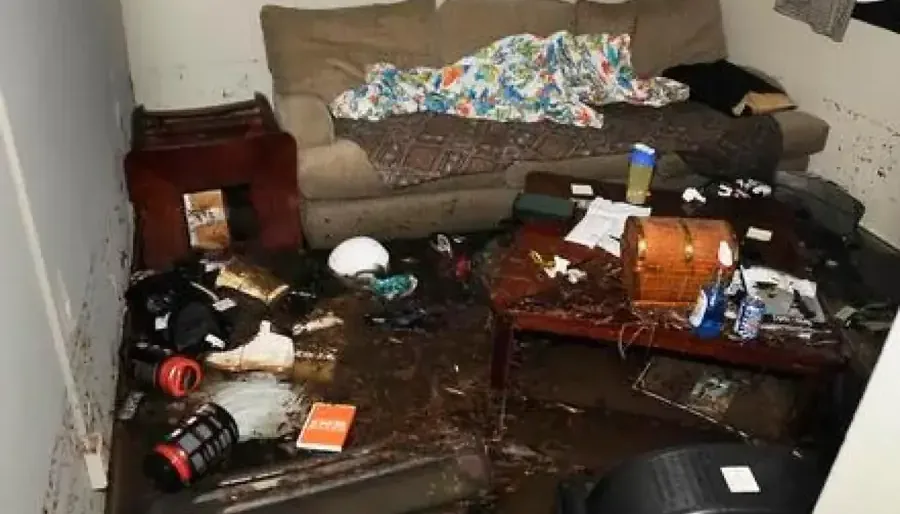
February 1996: Downtown Oregon City suffered heavy flood damage and remained submerged for several days. The city includes that inundation extent in OCWebMap alongside floodplain layers. When exterior water enters a building today, the practical questions concern current access, the entry path and what the water carried indoors. A restoration assessment connects those conditions with the actual finishes and possessions affected inside the property.
- The restoration team marks wet boundaries before placing drying equipment.
- Source water, contamination and material condition determine the removal scope.
- Documented material readings, checked against an appropriate dry reference, determine completion.
What does storm flood cleanup cost in Oregon City, OR?
Storm flood cleanup in Oregon City varies with sediment, contaminated finishes and the amount of interior space affected. Continued entry, access obstacles and concealed water can add work beyond the initial debris and liquid removal.
Limited exterior-water entry
- Confined wet area
- Accessible debris removal
- Localized finish assessment
Finished floor affected
- Floor layer inspection
- Expanded surface cleaning
- Room drying arrangement
Broad interior flooding
- Multiple room handling
- Extensive material evaluation
- Detailed recovery documentation
Ranges are typical, not a quote: category of water, square footage, material class and how fast drying started move the number most. Run the water damage cost calculator for a closer range.
How storm flood cleanup is handled in Oregon City
The tech who does the walkthrough maps moisture through the affected assembly and records a dry comparison. The drying team adjusts airflow and humidity control after each inspection, then confirms the material goal before removing equipment.
- 1
Inspect the entry conditions
The assessment identifies active water paths, unsafe areas and suitable routes for equipment before a room removal plan is established.
- 2
Clear water and sediment
Accessible liquid and debris are removed with attention to contamination and contents, exposing the interior surfaces that need further evaluation.
- 3
Evaluate wet finish layers
Damaged porous materials are assessed for removal while suitable retained assemblies are cleaned and prepared for controlled moisture reduction.
- 4
Measure interior drying progress
Moisture checks track retained surfaces and support adjustments to equipment, with remaining reconstruction needs recorded before the cleanup scope is closed.
Receding water leaves work behind
A room can become accessible while sediment remains under furniture and moisture persists behind wall coverings. Cleanup begins with a safety assessment, then organizes debris and water removal so affected contents do not obstruct the work. Porous materials contacted by exterior floodwater require close evaluation. Flooring and wall layers beneath a dry appearing surface need direct moisture checks to establish their condition.
- Keep occupants away from unstable ceilings and submerged electrical equipment.
- Record deposited sediment and the visible reach of the water.
- Separate clean access routes from wet contents awaiting removal decisions.
- Identify continued rain entry before committing to an interior drying setup.
Use mapping for preparation and records
Clackamette Park sits where the Clackamas River joins the Willamette River. Canemah lies between the river and a bluff along Oregon Route 99E, while Park Place overlooks Abernethy Green. Property preparation can include examining city mapping and keeping important records accessible. During cleanup, photographs should show the observed entry points and affected rooms, giving the project a record of actual damage.
Where rainfall continues, temporary exterior protection needs coordination with interior removal. If the source is overhead, roof leak cleanup can address the wet attic and ceiling materials within that broader recovery plan.
Prepare a clean interior for drying
Removal exposes the surfaces that need cleaning and the assemblies that may be retained. Drying equipment then serves a defined area with measurable goals. Before belongings return, the completion record should identify any unfinished source repairs, removed finishes and materials still awaiting replacement or further assessment.
- Keep disposal records tied to the room where damage occurred.
- List cleaned surfaces and any remaining inaccessible wet areas.
- Carry final moisture information into the reconstruction planning discussion.
Storm flood cleanup across Oregon City
Storm damage visits include Canemah, Two Rivers and Park Place in Oregon City ZIP 97045, with access decisions based on current building and exterior conditions.
The same service nearby: storm flood cleanup in Tualatin, Lake Oswego, Wilsonville.
Water damage restoration in Oregon City · every neighborhood covered
Related water damage services in Oregon City

Storm Flood Cleanup questions in Oregon City, OR
Can stormwater be treated like tap water?
Exterior water can carry debris and contamination into the building. Cleanup handling should reflect its source and what it contacted before arriving inside the room.
Should sediment dry before it is removed?
The cleanup plan should address deposited debris along with moisture. Leaving sediment under belongings complicates access and can conceal damage to flooring and wall edges.
Does city mapping determine the cleanup method?
Mapping helps property assessment and preparation. Current interior conditions, observed water entry and material exposure establish the actual removal, cleaning and drying tasks required.
What if the roof still admits rain?
Temporary protection and source repair need coordination with interior work. Repeated water entry can undermine drying and expand the affected area while cleanup is underway.
Can photographs wait until the room is cleared?
Early photographs preserve conditions that removal will change. Document visible water marks, sediment and belongings safely before the cleanup team begins moving or discarding materials.
Is reconstruction part of flood cleanup?
Removal, cleaning and drying prepare the property for repairs. Replacement flooring, wall finishes and other reconstruction should be identified separately when the project scope is discussed.
Turn flood damage into a defined work scope
A room assessment can separate exterior protection, interior removal and drying needs so the property owner can coordinate the remaining repair work.