Basement Flooding Cleanup in Wilsonville
A flooded lower room may be difficult to enter even when the stairway remains dry. Wilsonville basement cleanup starts by checking access, water entry and the condition of finishes before pumps or drying equipment are positioned.
(888) 373-8814Check the flooded lower room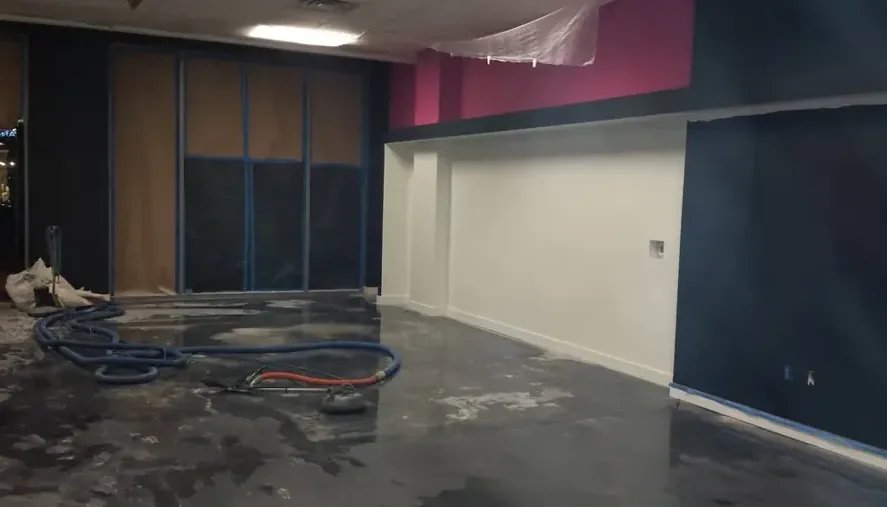
The lowest visible puddle may collect water from somewhere above or outside the room. Basement cleanup in Wilsonville therefore starts with the entry route: a plumbing release, exterior seepage or wastewater backup changes the work. Charbonneau is south of the Willamette River, and Frog Pond and Canyon Creek North are other named neighborhoods. For an affected property in any of these areas, the assessment follows the actual lower room and its connections to the rest of the building.
- The restoration team marks wet boundaries before placing drying equipment.
- Source water, contamination and material condition determine the removal scope.
- Documented material readings, checked against an appropriate dry reference, determine completion.
What does basement flooding cleanup cost in Wilsonville, OR?
Basement flooding cleanup in Wilsonville is shaped by water quality, finished surfaces and the route for equipment and debris. A lower room with concealed wet layers needs a broader scope than accessible water on unfinished surfaces.
Unfinished lower room
- Accessible water removal
- Exposed surface cleaning
- Basic drying access
Finished room loss
- Wet wall finishes
- Flooring layer assessment
- Selective access openings
Contaminated basement
- Controlled debris handling
- Detailed surface cleaning
- Restricted work area
Ranges are typical, not a quote: category of water, square footage, material class and how fast drying started move the number most. Run the water damage cost calculator for a closer range.
How basement flooding cleanup is handled in Wilsonville
The tech who does the walkthrough maps moisture through the affected assembly and records a dry comparison. The drying team adjusts airflow and humidity control after each inspection, then confirms the material goal before removing equipment.
- 1
Evaluate lower room entry
The initial check checks source conditions, electrical concerns and how equipment or damaged materials can move through the building safely.
- 2
Remove water and obstructions
Accessible liquid is extracted and affected contents are addressed in a sequence that preserves working space and protects adjoining dry areas.
- 3
Expose retained wet layers
Necessary finish removal opens wet cavities for cleaning and assessment, with the reason for each opening documented in the job record.
- 4
Track progress before reconstruction
Moisture measurements, equipment changes and source repair status are checked together before the lower room is ready for replacement finishes and normal use.
Access comes before moving stored belongings
Storage boxes can hide floor openings, cords and unstable contents. Water beneath electrical equipment requires qualified evaluation before anyone steps off the stairs. Where access is safe, photographs of the room from its entrance can preserve the original water boundary. A cleanup plan should also consider how removed materials and equipment will travel through occupied areas above.
- Keep people away from wet outlets and submerged electrical devices.
- Describe any active entry through walls, windows or floor openings.
- Identify heavy stored items that obstruct the removal route.
- Keep wastewater exposed belongings apart from unaffected household contents.
Finished walls can hide a wider wet area
Painted drywall and floor trim may look less affected than the layers behind them. Once standing water is removed, inspection at wall bases and flooring transitions helps identify trapped moisture. Saturated insulation, damaged board products and contaminated porous materials may need controlled removal so the remaining assembly can be cleaned and dried.
Wilsonville receives most precipitation in winter. When basement water appears during rain, exterior entry needs attention alongside the interior work. Simply drying the room without addressing renewed inflow leaves the restoration plan incomplete.
Define the handoff to repairs
The drying phase should track retained materials at repeatable locations, including hard to reach lower edges. Before finishes return, the scope should distinguish source correction from reconstruction and identify any cavity that remains inaccessible. Equipment placement also needs to preserve a safe route for the property contact during monitoring visits.
- Document the wet floor and adjoining wall materials separately.
- Record which finishes were removed to expose hidden moisture.
- Check remaining entry concerns before closing the repaired room.
Basement flooding cleanup across Wilsonville
Lower room assessments are available for properties in Charbonneau, Frog Pond and Canyon Creek North within ZIP 97070, based on the affected building layout.
The same service nearby: basement flooding cleanup in Tualatin, Sherwood, Tigard.
Water damage restoration in Wilsonville · every neighborhood covered
Related water damage services in Wilsonville

Basement Flooding Cleanup questions in Wilsonville, OR
Should a homeowner walk down into standing basement water?
Entry should wait when electrical conditions or floor hazards are uncertain. The flooded area can be described from a dry, safe position.
Can boxes stay on the wet floor during drying?
Stored items can obstruct extraction and hold moisture against finishes. Their condition and exposure determine whether relocation, cleaning or disposal is appropriate.
Does every wet wall need full removal?
Removal depends on contamination, material damage and access to trapped moisture. The scope should explain the affected height and layers rather than assume complete demolition.
What if water returns after pumping?
Renewed entry requires source investigation. Drying equipment cannot compensate for continuing water movement through plumbing, drainage openings or the building exterior.
Are basement carpets always kept?
Carpet and padding decisions depend on water exposure, physical condition and access to the floor beneath. Contaminated porous layers may require disposal.
How is repair readiness established?
Retained materials need acceptable moisture conditions and structural stability. Source correction and any remaining inaccessible wet spaces should be addressed before finish work begins.
Open a path to a dry lower room
Basement recovery should connect safe removal, accessible drying and the repair of the source that allowed water into the room.